How Moon altered the orbit of Chandrayaan-3’s propulsion module?
The Indian Space Research Organisation (ISRO) has achieved a significant milestone in the Chandrayaan-3 mission, as the spacecraft’s propulsion module had its Earth orbit significantly altered in November 2025 after passing close to the Moon. This remarkable feat was accomplished without using any fuel, as the lunar gravity pulled the spacecraft during two flybys, naturally changing its path. In this blog post, we will delve into the details of this remarkable event and explore how the Moon’s gravity altered the orbit of Chandrayaan-3’s propulsion module.
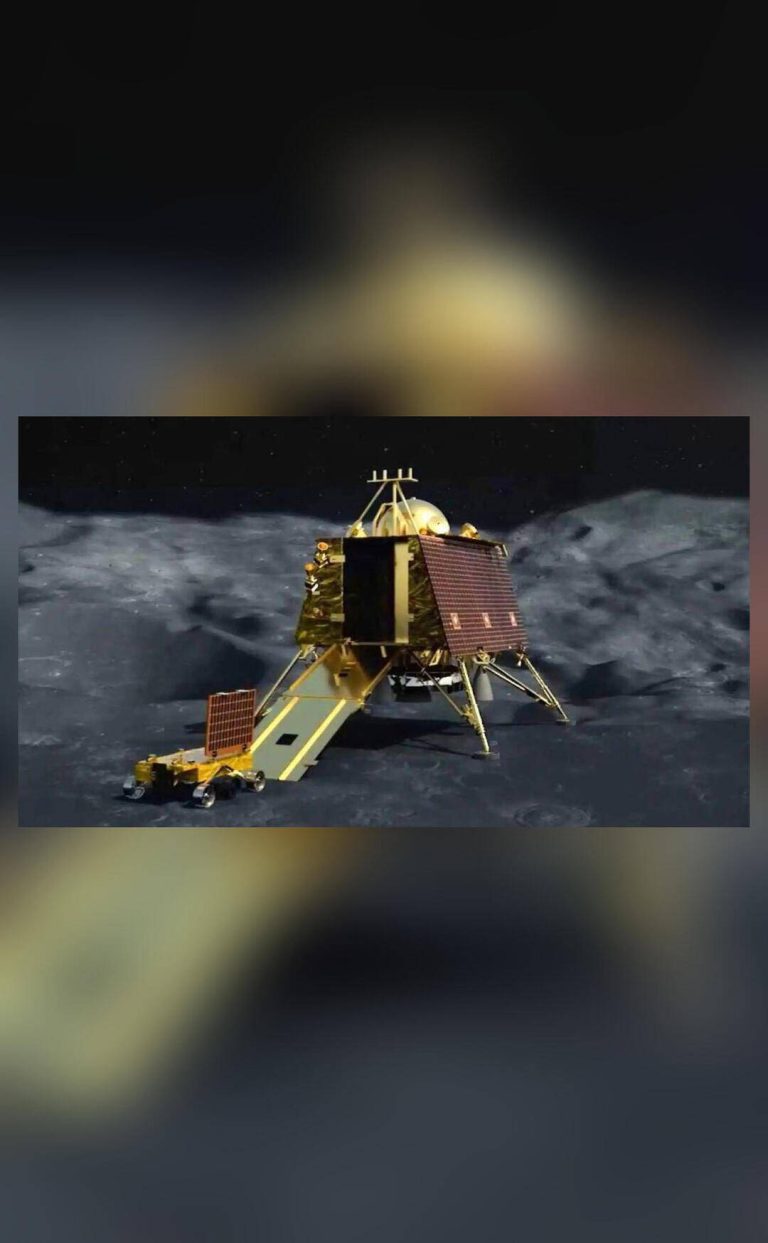
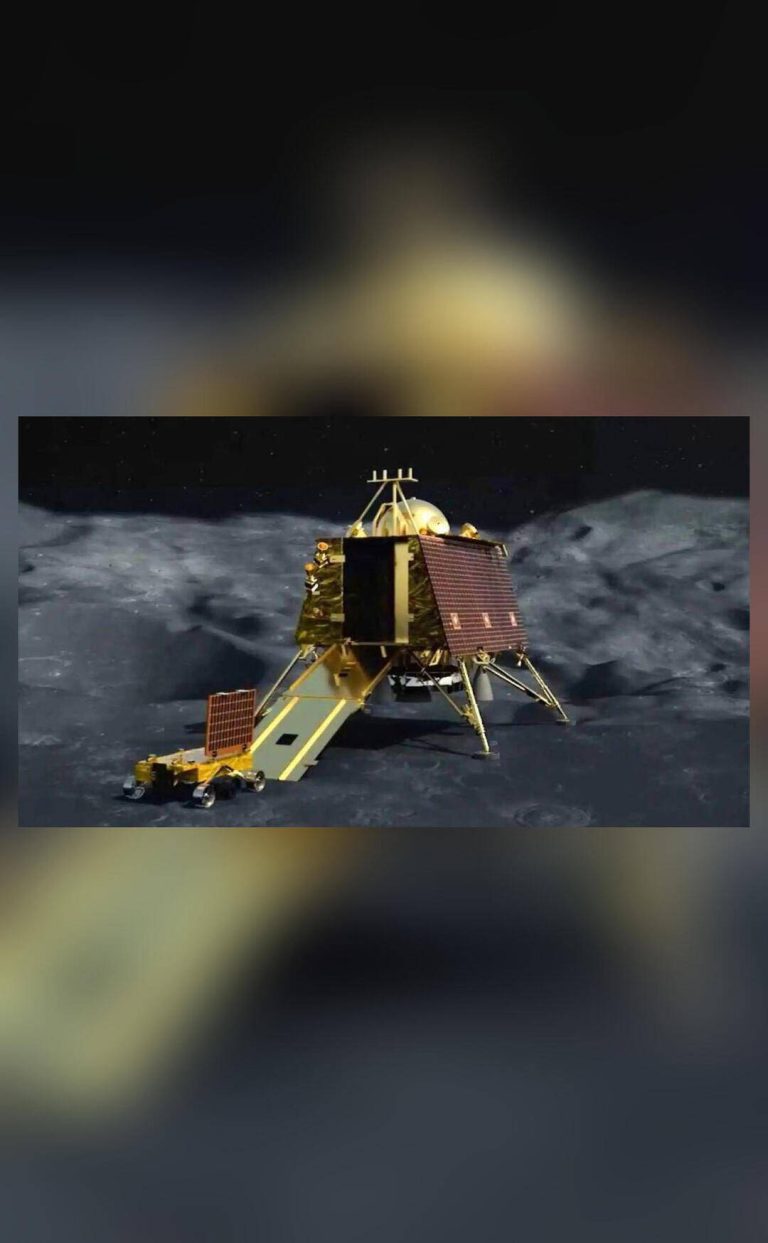
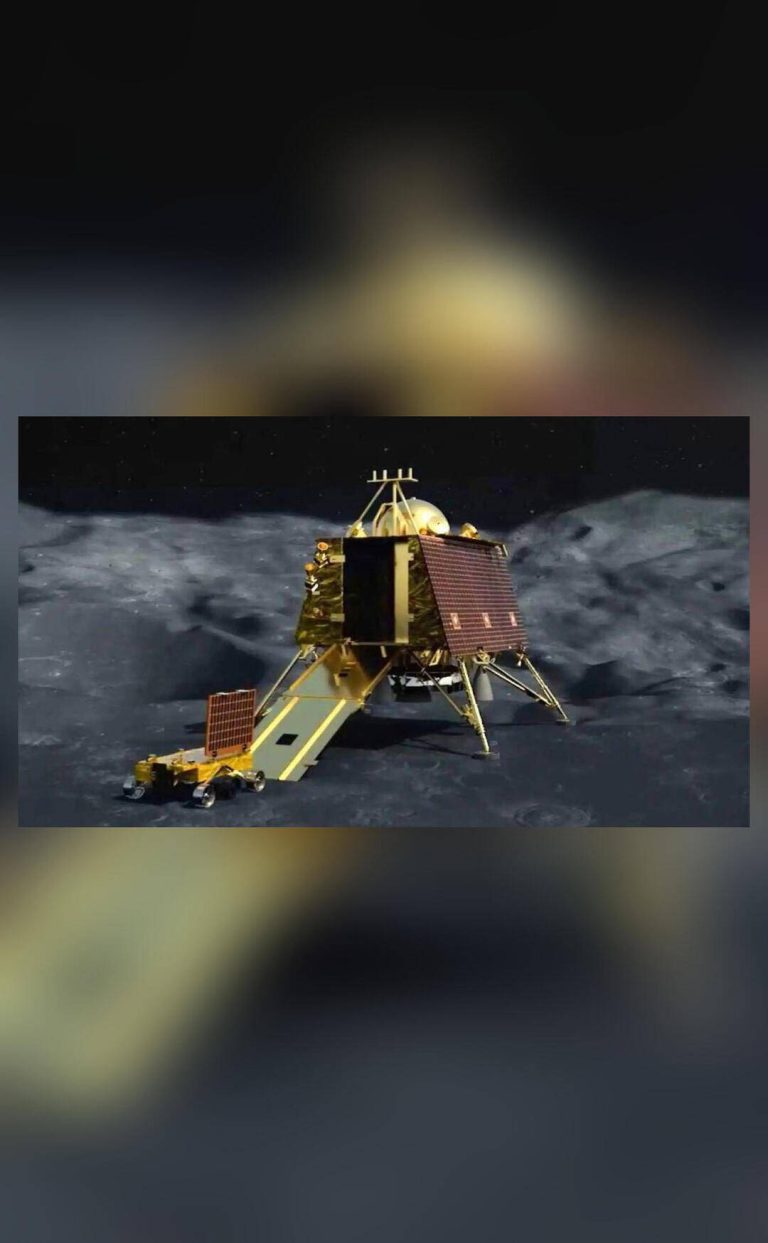
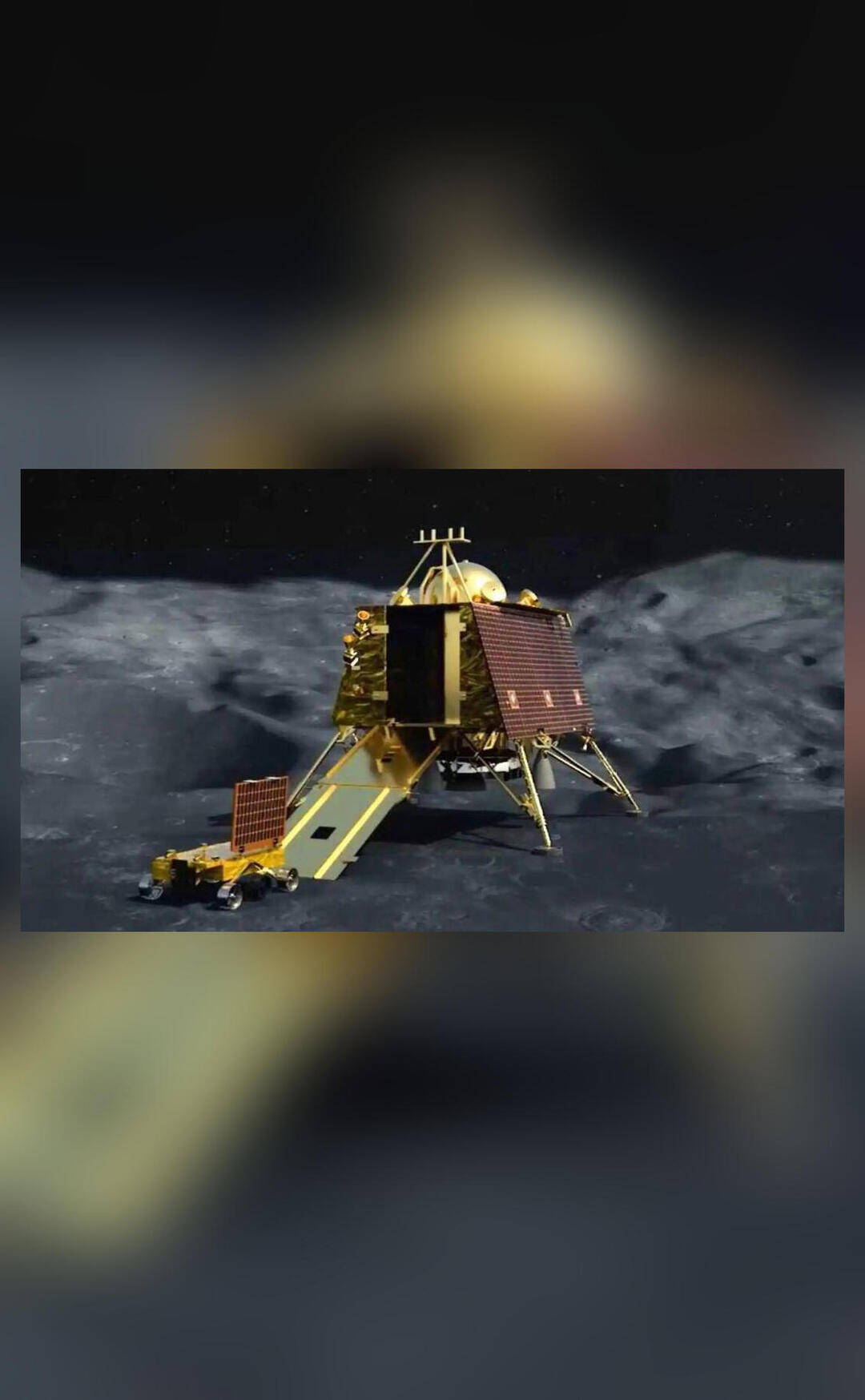
The Chandrayaan-3 mission, which was launched in July 2023, is a follow-up to the Chandrayaan-2 mission, which was launched in 2019. The primary objective of the Chandrayaan-3 mission is to demonstrate the capability to soft-land on the lunar surface and conduct scientific experiments. The spacecraft consists of a propulsion module, a lander, and a rover. The propulsion module is responsible for providing the necessary thrust to the spacecraft during its journey to the Moon.
On November 6, 2025, the Chandrayaan-3 spacecraft flew by the Moon at a distance of 3,740 km. During this flyby, the lunar gravity pulled the spacecraft, causing a significant change in its trajectory. The spacecraft’s velocity increased by 1.7 km/s, and its orbit size and direction were altered. This was followed by another flyby on November 11, 2025, at a distance of 4,537 km. The lunar gravity again pulled the spacecraft, causing a further change in its trajectory.
The ISRO scientists used the lunar gravity to their advantage, as they did not need to use any fuel to alter the spacecraft’s orbit. This is a significant achievement, as it demonstrates the capability to use the gravity of celestial bodies to change the trajectory of a spacecraft. This technique, known as gravity assist, has been used by spacecraft in the past, but it is still a complex and challenging maneuver.
The altered orbit of the Chandrayaan-3 propulsion module has significant implications for the mission. The new orbit will allow the spacecraft to conduct scientific experiments and gather data on the lunar surface. The propulsion module will also serve as a communication relay between the lander and the Earth, providing critical communication services during the landing and post-landing phases.
The success of the Chandrayaan-3 mission is a testament to the capabilities of the ISRO scientists and engineers. The mission has demonstrated the ability to design, build, and operate complex spacecraft, and has paved the way for future lunar missions. The use of gravity assist to alter the orbit of the propulsion module is a significant achievement, and it demonstrates the ability to use creative and innovative solutions to achieve complex mission objectives.
In conclusion, the alteration of the Chandrayaan-3 propulsion module’s orbit by the Moon’s gravity is a significant achievement that demonstrates the capabilities of the ISRO scientists and engineers. The use of gravity assist to alter the orbit of the spacecraft without using fuel is a remarkable feat that has significant implications for future space missions. As we continue to explore the vastness of space, we can expect to see more innovative and creative solutions to complex mission objectives.
The Chandrayaan-3 mission is a significant step forward in India’s space program, and it has the potential to make major contributions to our understanding of the lunar surface. The success of the mission will also pave the way for future lunar missions, including manned missions to the Moon. As we look to the future, we can expect to see more exciting developments in the field of space exploration, and the Chandrayaan-3 mission is an important step in that journey.
The ISRO has announced that the Chandrayaan-3 mission will continue to operate for several months, during which time it will conduct scientific experiments and gather data on the lunar surface. The mission will also provide critical communication services during the landing and post-landing phases. As we await the results of the mission, we can reflect on the significant achievement of altering the orbit of the propulsion module using the Moon’s gravity.
In the coming months, we can expect to see more updates on the Chandrayaan-3 mission, including the results of the scientific experiments and the data gathered on the lunar surface. The mission has the potential to make major contributions to our understanding of the lunar surface, and it will pave the way for future lunar missions.
As we conclude this blog post, we would like to acknowledge the significant achievement of the ISRO scientists and engineers in altering the orbit of the Chandrayaan-3 propulsion module using the Moon’s gravity. This achievement is a testament to the capabilities of the Indian space program, and it demonstrates the ability to use creative and innovative solutions to achieve complex mission objectives.
About the Author