BJP twisting my comments: K’taka Dy CM on ‘We don’t want Keralites’ remark
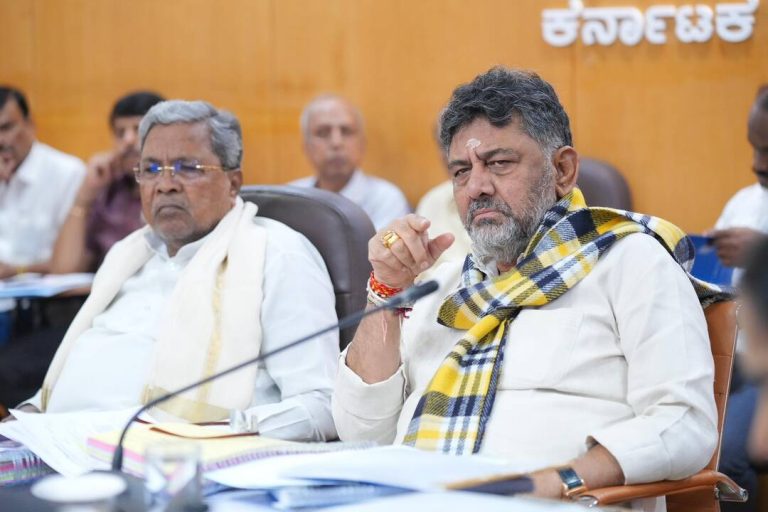
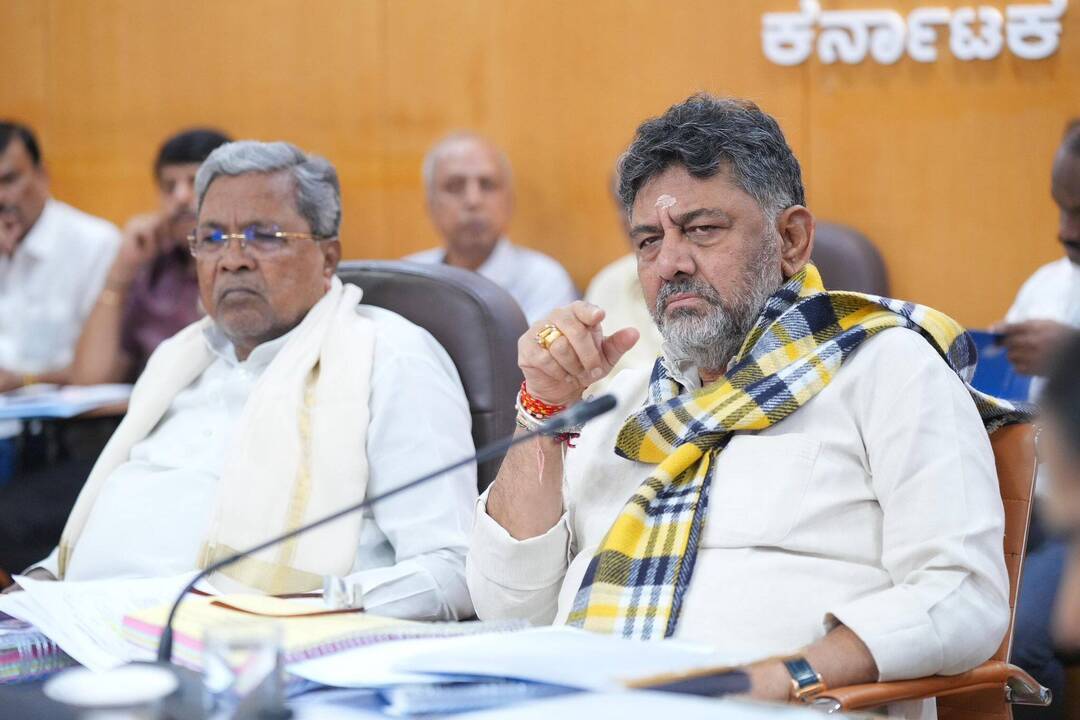
The Indian political landscape is no stranger to controversy and misinterpretation. Recently, Karnataka Deputy Chief Minister DK Shivakumar found himself at the center of a maelstrom after his comments on the people of Kerala were allegedly twisted by the Bharatiya Janata Party (BJP). On Tuesday, Shivakumar clarified his stance, stating that his “we don’t want Keralites” remark was aimed at the Kerala government’s interference in the Kogilu demolition drive, not at the people of Kerala.
The Kogilu demolition drive has been a contentious issue, with the Karnataka government attempting to clear encroachments in the area. However, the Kerala government’s alleged interference in the matter has led to tensions between the two states. Shivakumar’s initial comment was made in the context of this issue, but it was quickly seized upon by the BJP, which claimed that the Deputy Chief Minister was being discriminatory towards the people of Kerala.
Shivakumar was quick to respond to these allegations, accusing Kerala BJP chief Rajeev Chandrasekhar of twisting his words. The Deputy Chief Minister stressed that his comment was not aimed at the people of Kerala, but rather at the Kerala government’s actions. He emphasized that he has always maintained cordial ties with the people of Kerala and has a deep respect for them.
In fact, Shivakumar went on to say that he will be campaigning in the upcoming Kerala polls, demonstrating his commitment to the people of the state. This move is likely to be seen as an attempt to mend fences and reassure the people of Kerala that his comment was not meant to be derogatory.
The incident highlights the dangers of misinterpretation and twisting of comments in the world of politics. A single statement can be taken out of context and used to create a controversy, which can have far-reaching consequences. It is essential for politicians to be mindful of their words and for the media to report accurately, without sensationalizing or distorting the facts.
The BJP’s actions in this matter have been criticized by many, who see it as an attempt to create a rift between the people of Karnataka and Kerala. The party’s decision to seize upon Shivakumar’s comment and use it to create a controversy has been seen as a desperate attempt to gain political mileage.
On the other hand, Shivakumar’s clarification and his decision to campaign in Kerala have been seen as a positive move. By reaching out to the people of Kerala and reassuring them of his respect, the Deputy Chief Minister has taken a significant step in diffusing the tension.
The incident also highlights the importance of maintaining good relations between states. The people of Karnataka and Kerala have always shared a strong bond, and it is essential to maintain this relationship. The Karnataka government’s efforts to clear encroachments in the Kogilu area should not be seen as an attack on the people of Kerala, but rather as an attempt to maintain law and order.
In conclusion, the controversy surrounding Shivakumar’s comment is a reminder of the dangers of misinterpretation and twisting of words in politics. It is essential for politicians to be mindful of their words and for the media to report accurately. The Karnataka Deputy Chief Minister’s clarification and his decision to campaign in Kerala are positive moves that demonstrate his commitment to maintaining good relations between the two states.
As the political landscape in India continues to evolve, it is essential for politicians to be aware of the impact of their words. The BJP’s actions in this matter have been criticized, and it is likely that the party will face backlash for its attempts to create a controversy. On the other hand, Shivakumar’s clarification and his decision to reach out to the people of Kerala have been seen as a positive move, and it is likely that he will emerge from this controversy with his reputation intact.
The people of Karnataka and Kerala will be watching the developments in this matter closely, and it is essential for politicians to be aware of the sensitivities involved. By maintaining good relations between the two states and avoiding controversies, politicians can work towards creating a more harmonious and peaceful environment.
About the Author