How Moon altered the orbit of Chandrayaan-3’s propulsion module?
The Indian Space Research Organisation (ISRO) has achieved a significant milestone in its Chandrayaan-3 mission, with the Moon’s gravity playing a crucial role in altering the orbit of the spacecraft’s propulsion module. In a fascinating display of celestial mechanics, the propulsion module’s Earth orbit underwent a substantial change in November 2025, following two close flybys of the Moon. This remarkable event not only showcases the complexity of space travel but also highlights the ingenuity of ISRO’s mission planners.
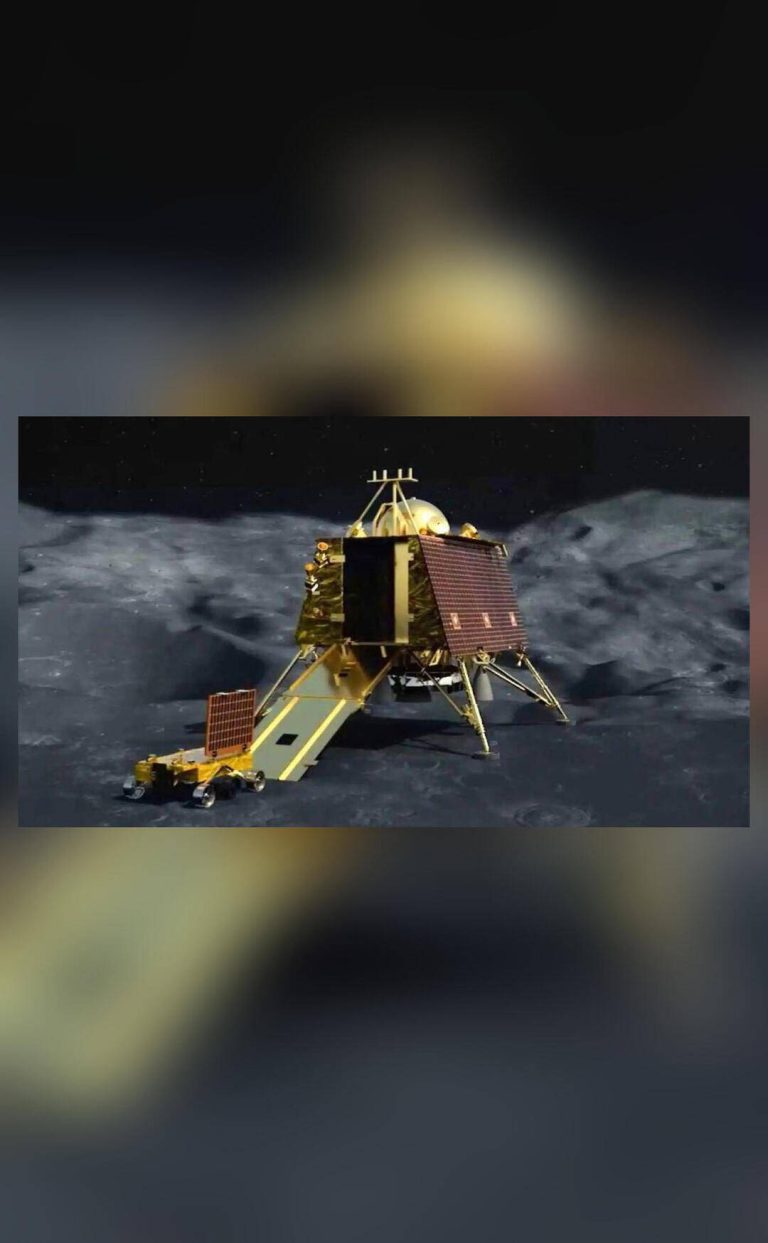
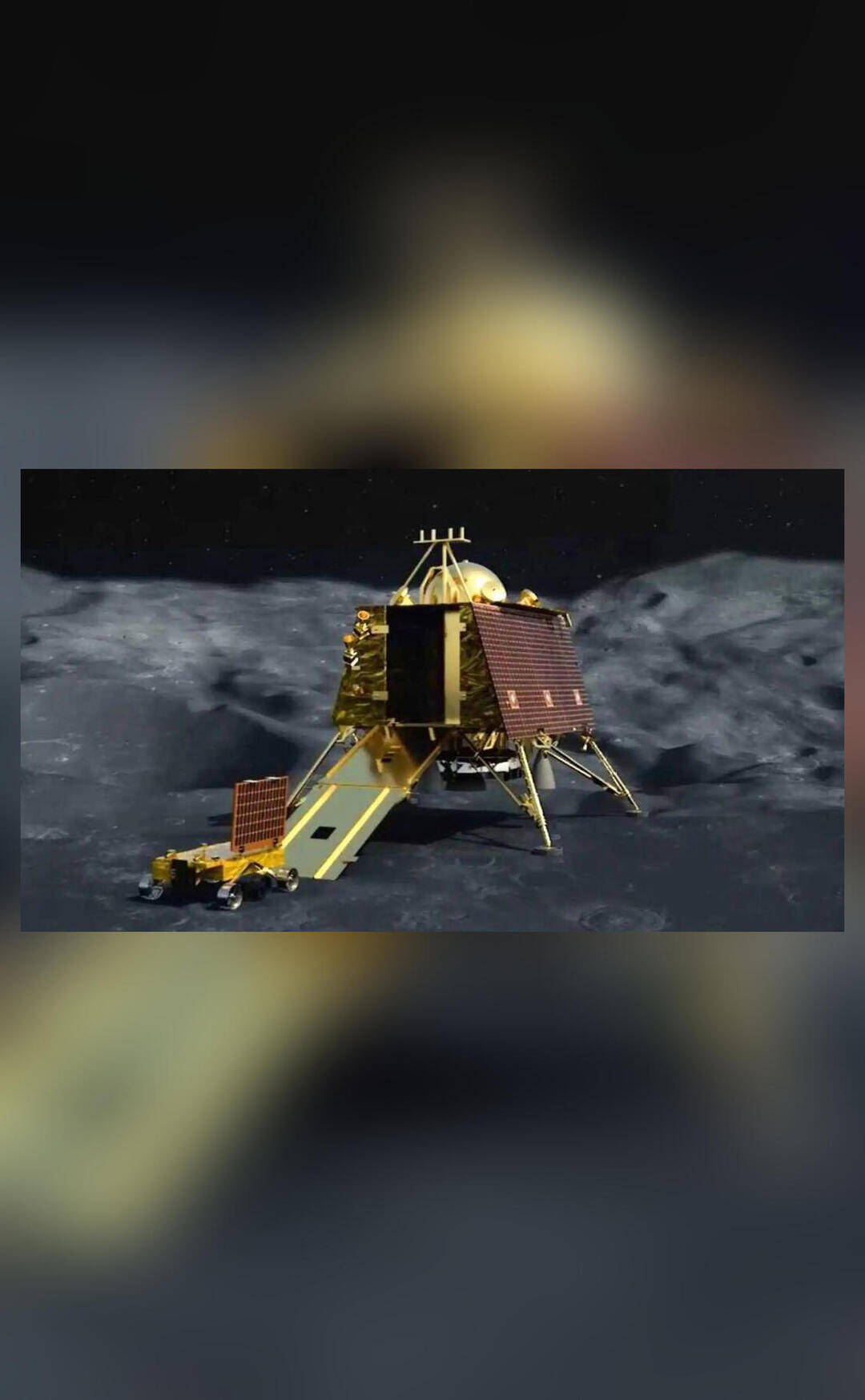
The Chandrayaan-3 mission, which was launched in July 2023, consists of a propulsion module, a lander, and a rover. The propulsion module is responsible for providing the necessary thrust to the spacecraft during its journey to the Moon. However, in a clever maneuver, ISRO utilized the Moon’s gravity to alter the module’s orbit, thereby reducing the need for fuel and increasing the mission’s efficiency.
On November 6, 2025, the propulsion module flew by the Moon at a distance of approximately 3,740 kilometers. This close encounter allowed the Moon’s gravity to exert a significant influence on the spacecraft, causing its orbit to change. Just five days later, on November 11, the module flew by the Moon again, this time at a distance of 4,537 kilometers. The combined effect of these two flybys resulted in a substantial alteration of the propulsion module’s orbit.
According to ISRO, the Moon’s gravity pulled the spacecraft during the two flybys, naturally altering its path without the need for fuel. This change in orbit not only modified the module’s orbit size but also its direction. The precise calculations and meticulous planning that went into executing this maneuver are a testament to the expertise of ISRO’s scientists and engineers.
The use of gravity assists, like the one employed by Chandrayaan-3, is a common technique in space exploration. By flying a spacecraft close to a celestial body, such as a planet or moon, the spacecraft can harness the body’s gravity to change its trajectory. This method can be used to increase or decrease a spacecraft’s speed, as well as to alter its orbit. In the case of Chandrayaan-3, the Moon’s gravity was used to alter the propulsion module’s orbit, reducing the need for fuel and increasing the mission’s overall efficiency.
The success of this maneuver has significant implications for future space missions. By utilizing gravity assists, spacecraft can reduce their fuel consumption, thereby increasing their operational lifespan. This, in turn, can enable spacecraft to conduct more extensive scientific experiments, explore new regions of space, and even establish permanent human settlements on other planets.
The Chandrayaan-3 mission is a prime example of India’s growing capabilities in space exploration. The mission’s primary objective is to demonstrate the feasibility of landing a spacecraft on the lunar surface. The lander and rover, which are currently in orbit around the Moon, are expected to touch down on the lunar surface in the near future. The success of this mission will mark a significant milestone in India’s space program, cementing its position as a major player in the global space community.
In conclusion, the alteration of the Chandrayaan-3 propulsion module’s orbit by the Moon’s gravity is a remarkable achievement that showcases the ingenuity and expertise of ISRO’s scientists and engineers. This event highlights the complexities of space travel and the creative solutions that can be employed to overcome the challenges of space exploration. As we continue to push the boundaries of space travel, it is likely that we will see more innovative uses of gravity assists and other celestial phenomena to achieve our goals.
About the Author