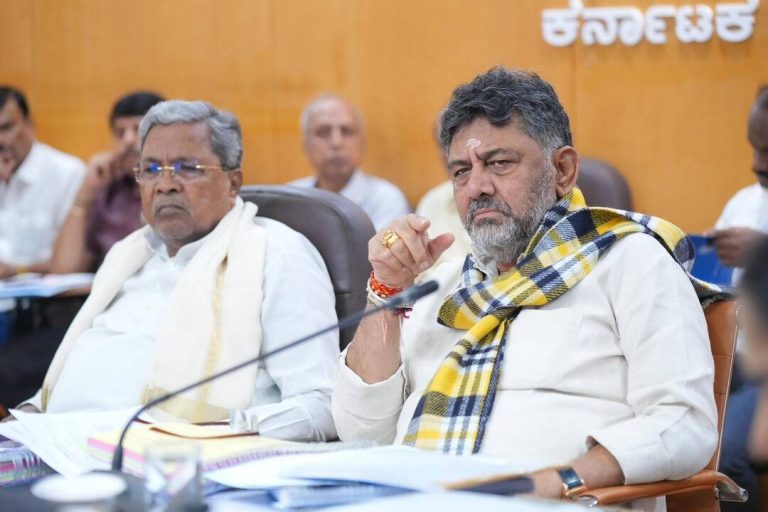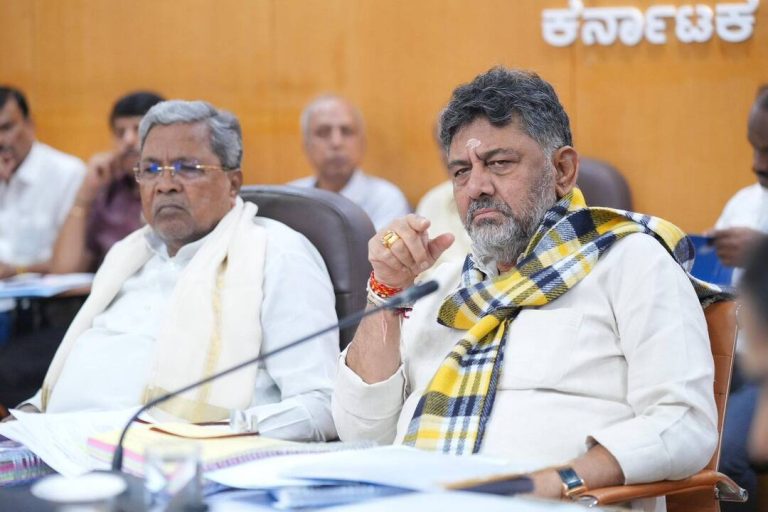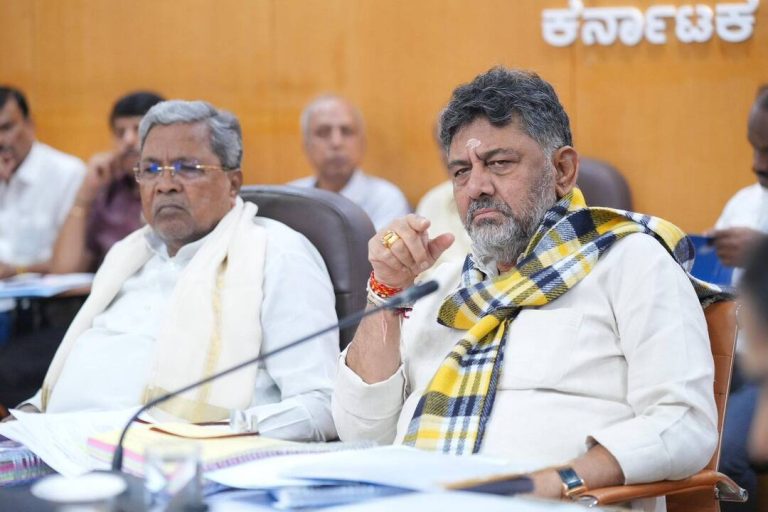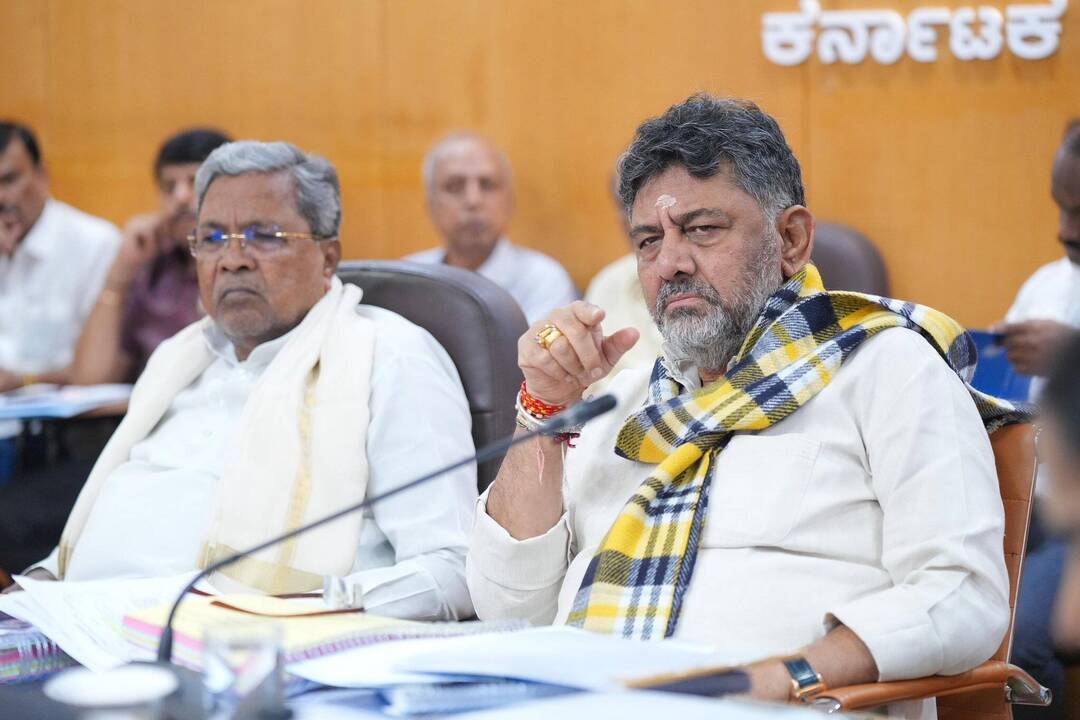
BJP twisting my comments: K’taka Dy CM on ‘We don’t want Keralites’ remark
In a recent controversy, Karnataka Deputy Chief Minister DK Shivakumar found himself at the center of a storm after his comments on Keralites sparked a heated debate. The remark, which was widely reported and criticized, led to Shivakumar clarifying his stance and accusing the BJP of twisting his words. In this blog post, we will delve into the controversy, Shivakumar’s clarification, and the underlying issues that led to the remark.
The controversy began when Shivakumar made a comment that was perceived as being against the people of Kerala. The remark, “we don’t want Keralites,” was seen as a divisive statement that targeted the people of Kerala. However, Shivakumar has since clarified that his comment was not aimed at the people of Kerala, but rather at the Kerala government’s interference in the Kogilu demolition drive.
According to Shivakumar, the Kerala government’s interference in the demolition drive was unwarranted and unwanted. The demolition drive, which was aimed at removing illegal structures, was a necessary step to maintain law and order in the region. However, the Kerala government’s involvement in the matter was seen as an attempt to politicize the issue and interfere in the affairs of the Karnataka state government.
Shivakumar accused Kerala BJP chief Rajeev Chandrasekhar of twisting his words and presenting them out of context. He claimed that Chandrasekhar and the BJP were trying to create a controversy where none existed, and that their actions were motivated by a desire to politicize the issue and gain mileage.
Despite the controversy, Shivakumar stressed that he has always maintained cordial ties with the people of Kerala. He stated that he respects the people of Kerala and values his relationship with them. In fact, Shivakumar has announced that he will campaign in the upcoming Kerala polls, a move that is seen as an attempt to reach out to the people of Kerala and strengthen his party’s presence in the state.
The controversy surrounding Shivakumar’s remark highlights the complex and often contentious relationship between the states of Karnataka and Kerala. The two states have a long history of cooperation and competition, and issues such as border disputes, water sharing, and trade have often been points of contention.
However, it is also important to note that the people of Karnataka and Kerala have always maintained a strong bond, with many Keralites living and working in Karnataka, and vice versa. The two states share a common culture and language, and there are many familial and social ties that bind them together.
In this context, Shivakumar’s clarification and his decision to campaign in Kerala can be seen as an attempt to reach out to the people of Kerala and strengthen the bonds between the two states. By stressing his respect for the people of Kerala and his commitment to maintaining good relations with them, Shivakumar is trying to put the controversy behind him and focus on the larger issues that affect the people of both states.
In conclusion, the controversy surrounding Shivakumar’s remark highlights the complexities of inter-state relations in India. While there may be issues and disagreements between states, it is essential to maintain a sense of respect and cooperation. By clarifying his stance and reaching out to the people of Kerala, Shivakumar has taken a positive step towards strengthening the bonds between Karnataka and Kerala.
As the political landscape in India continues to evolve, it is essential for leaders like Shivakumar to prioritize cooperation and mutual respect. By doing so, they can help build stronger relationships between states and foster a sense of unity and cooperation that benefits all Indians.
About the Author