BJP twisting my comments: K’taka Dy CM on ‘We don’t want Keralites’ remark
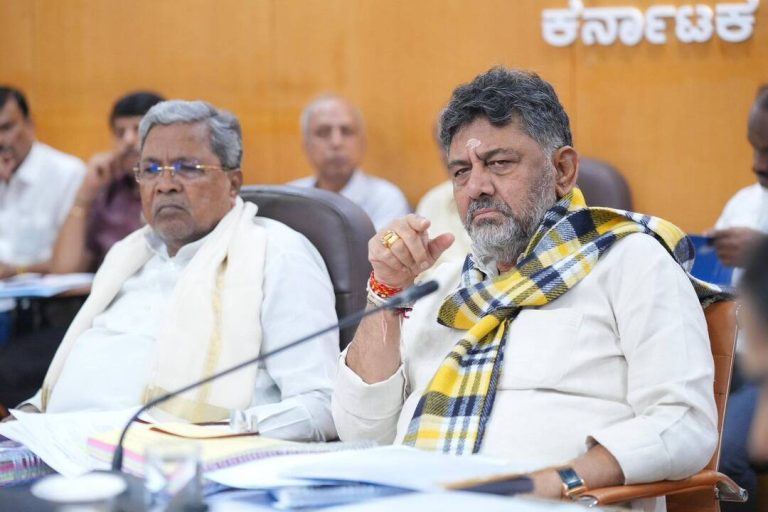
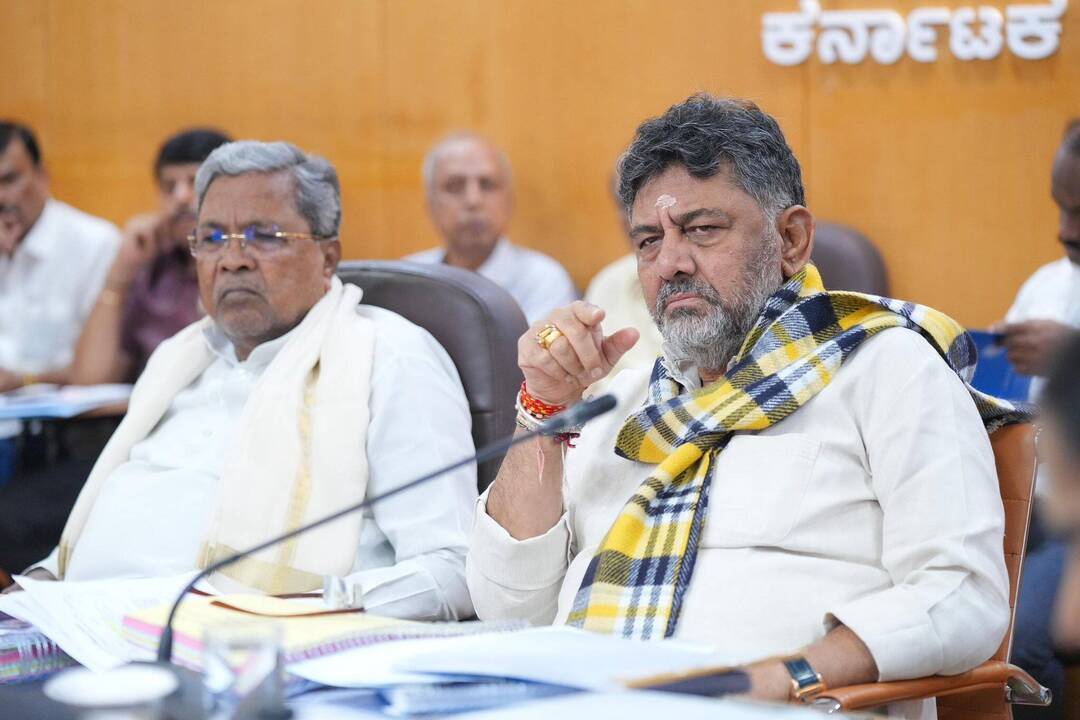
In a recent controversy, Karnataka Deputy Chief Minister DK Shivakumar found himself at the center of a storm after his comments on Keralites sparked a heated debate. However, on Tuesday, Shivakumar clarified his stance, stating that his remarks were misconstrued and twisted by the Bharatiya Janata Party (BJP). The Deputy CM asserted that his comments were aimed at the Kerala government’s interference in the Kogilu demolition drive, and not at the people of Kerala.
The controversy began when Shivakumar allegedly stated, “We don’t want Keralites,” in an apparent reference to the influx of people from Kerala into Karnataka. The statement was quickly lapped up by the BJP, which accused Shivakumar of being anti-Keralite and discriminatory. However, Shivakumar has now come out to set the record straight, claiming that his words were taken out of context and twisted by the BJP to suit their own agenda.
According to Shivakumar, his comments were specifically directed at the Kerala government’s attempts to interfere in the Kogilu demolition drive, a contentious issue that has been making headlines in Karnataka. The Deputy CM stated that he was objecting to the Kerala government’s efforts to influence the situation, and not targeting the people of Kerala. He emphasized that he has always maintained cordial ties with Keralites and respects them immensely.
Shivakumar’s clarification comes as a relief to many, as his initial comments had sparked widespread outrage and criticism. The Deputy CM’s apparent U-turn has also raised questions about the BJP’s role in amplifying the controversy. Shivakumar accused Kerala BJP chief Rajeev Chandrasekhar of twisting his words and attempting to create a rift between the people of Karnataka and Kerala.
The Karnataka Deputy CM’s clarification is significant, as it highlights the dangers of misinterpretation and manipulation of public statements. In today’s era of social media and 24-hour news cycles, it is easy for comments to be taken out of context and sensationalized. Shivakumar’s experience serves as a reminder of the importance of verifying facts and understanding the context before jumping to conclusions.
Furthermore, Shivakumar’s statement underscores the complexities of interstate relationships and the need for cooperation between neighboring states. The Deputy CM’s emphasis on his cordial ties with Keralites and his respect for them is a positive step towards promoting harmony and understanding between the people of Karnataka and Kerala.
In a surprising move, Shivakumar also announced that he would be campaigning in the upcoming Kerala polls, a gesture that is likely to be seen as a conciliatory move. The Deputy CM’s decision to campaign in Kerala is a testament to his commitment to building bridges between the two states and promoting a sense of unity and cooperation.
As the controversy surrounding Shivakumar’s comments dies down, it is essential to reflect on the lessons learned from this episode. The incident highlights the importance of responsible reporting, fact-checking, and verification of information. It also underscores the need for politicians to be mindful of their words and actions, as they have the power to shape public opinion and influence relationships between communities.
In conclusion, the recent controversy surrounding DK Shivakumar’s comments on Keralites has been clarified, and the Karnataka Deputy CM has emerged with his reputation intact. The incident serves as a reminder of the complexities of public discourse and the importance of understanding the context behind public statements. As we move forward, it is essential to promote a culture of respect, empathy, and cooperation between communities, and to recognize the value of building bridges between states and regions.
About the Author