How Moon altered the orbit of Chandrayaan-3’s propulsion module?
In a remarkable demonstration of celestial mechanics, the Indian Space Research Organisation’s (ISRO) Chandrayaan-3 mission has achieved a significant alteration in the orbit of its propulsion module, thanks to the gravitational influence of the Moon. This phenomenon occurred in November 2025, when the spacecraft made two close flybys of the lunar surface, resulting in a substantial change in its Earth orbit without the need for any fuel consumption. In this blog post, we will delve into the details of this fascinating event and explore the implications of this achievement for future space missions.
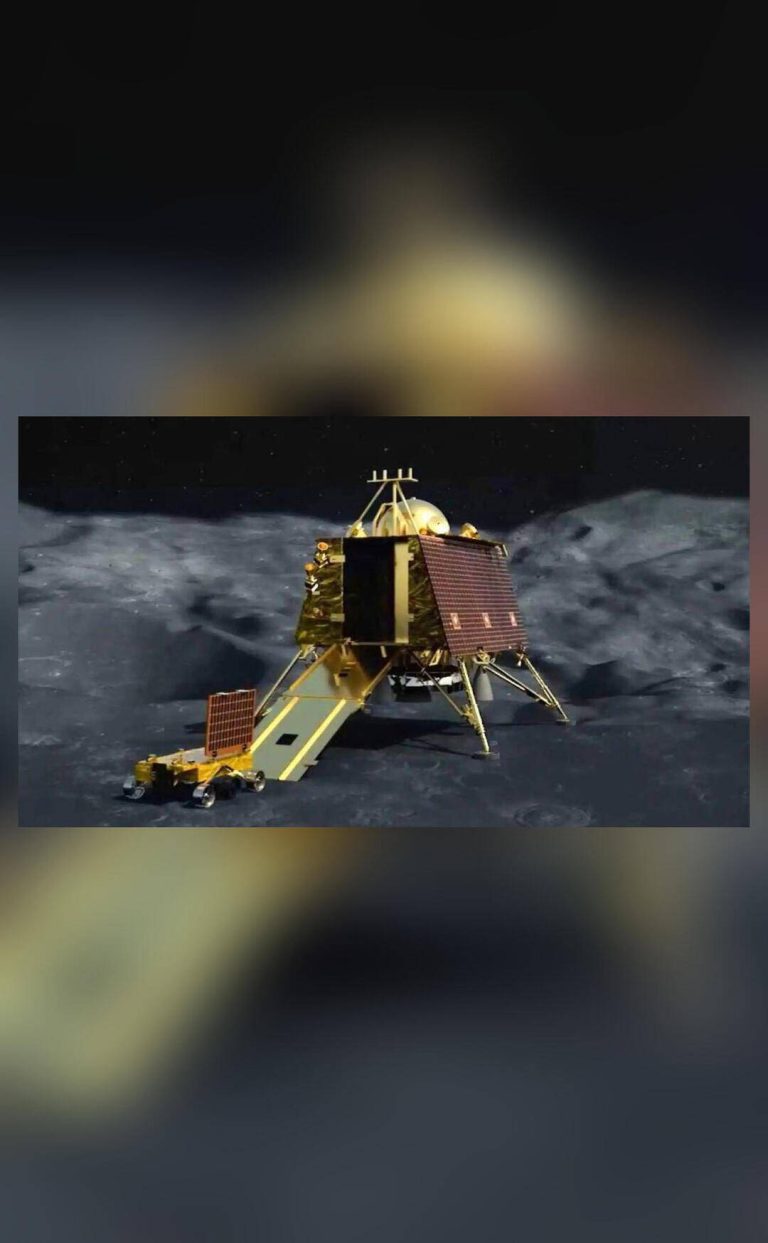
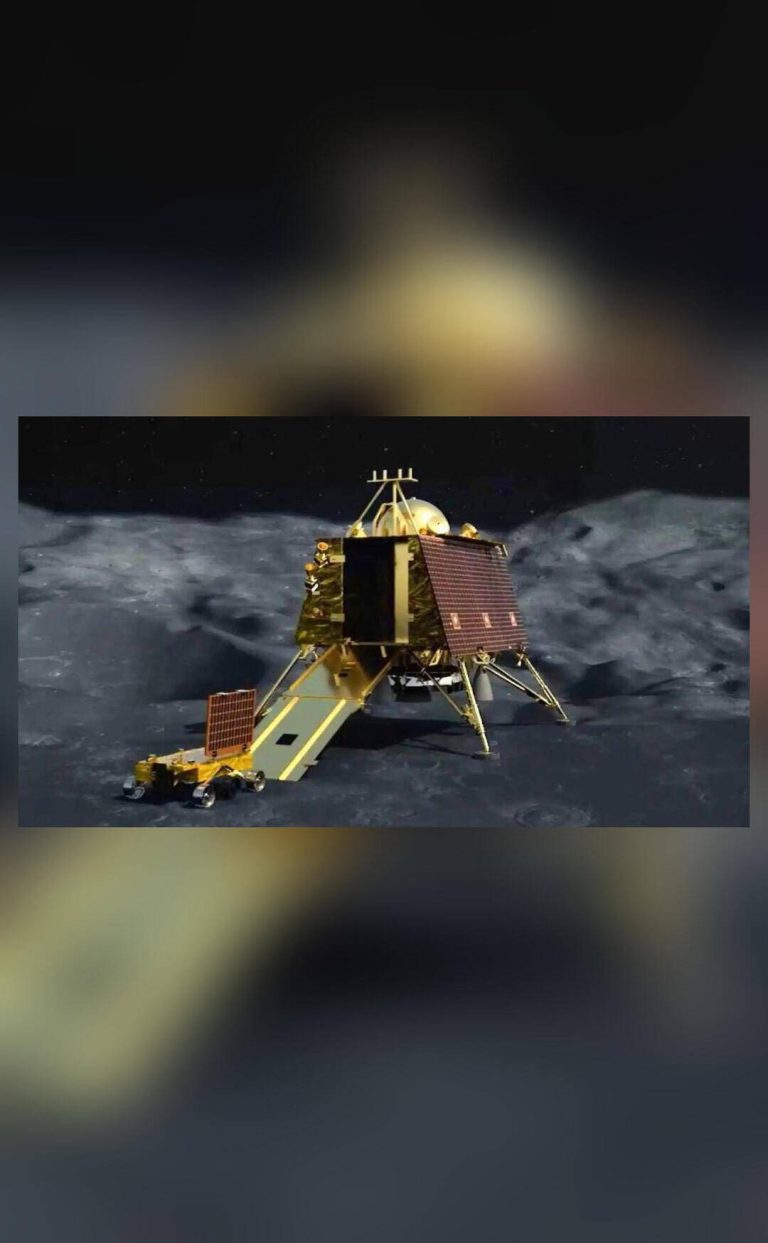
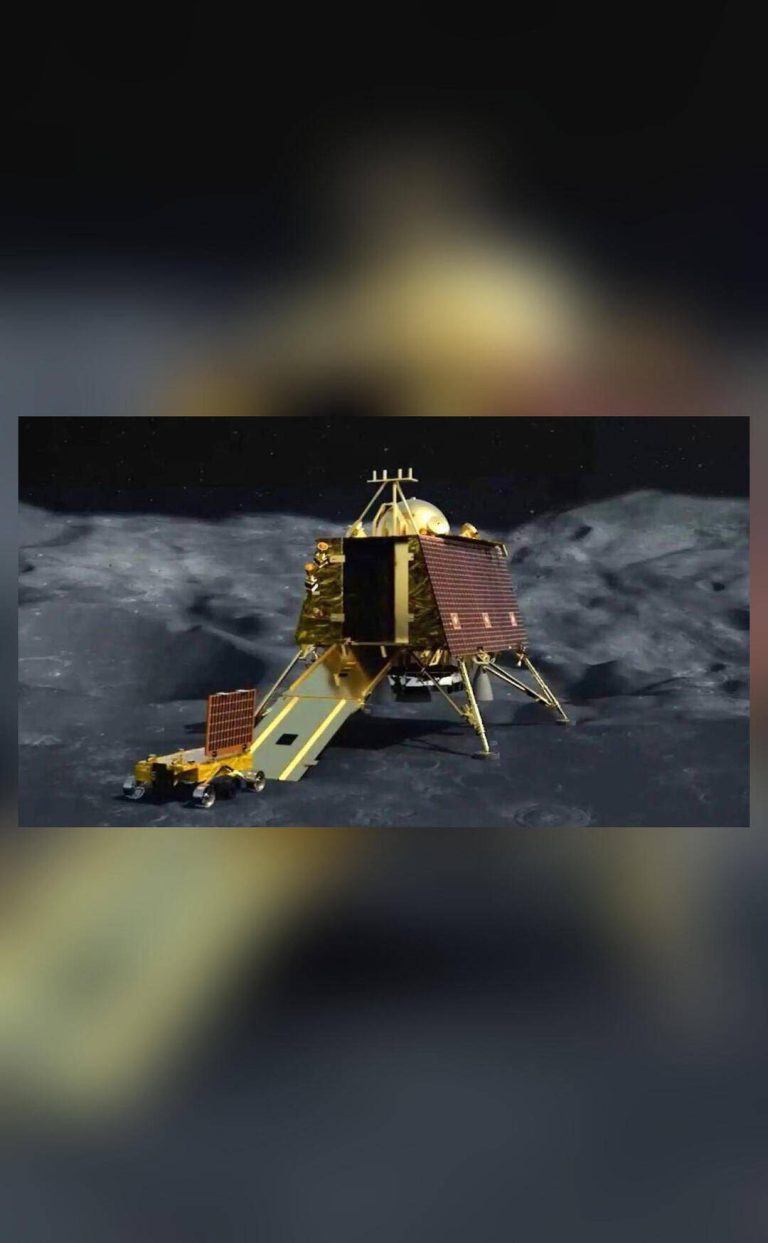
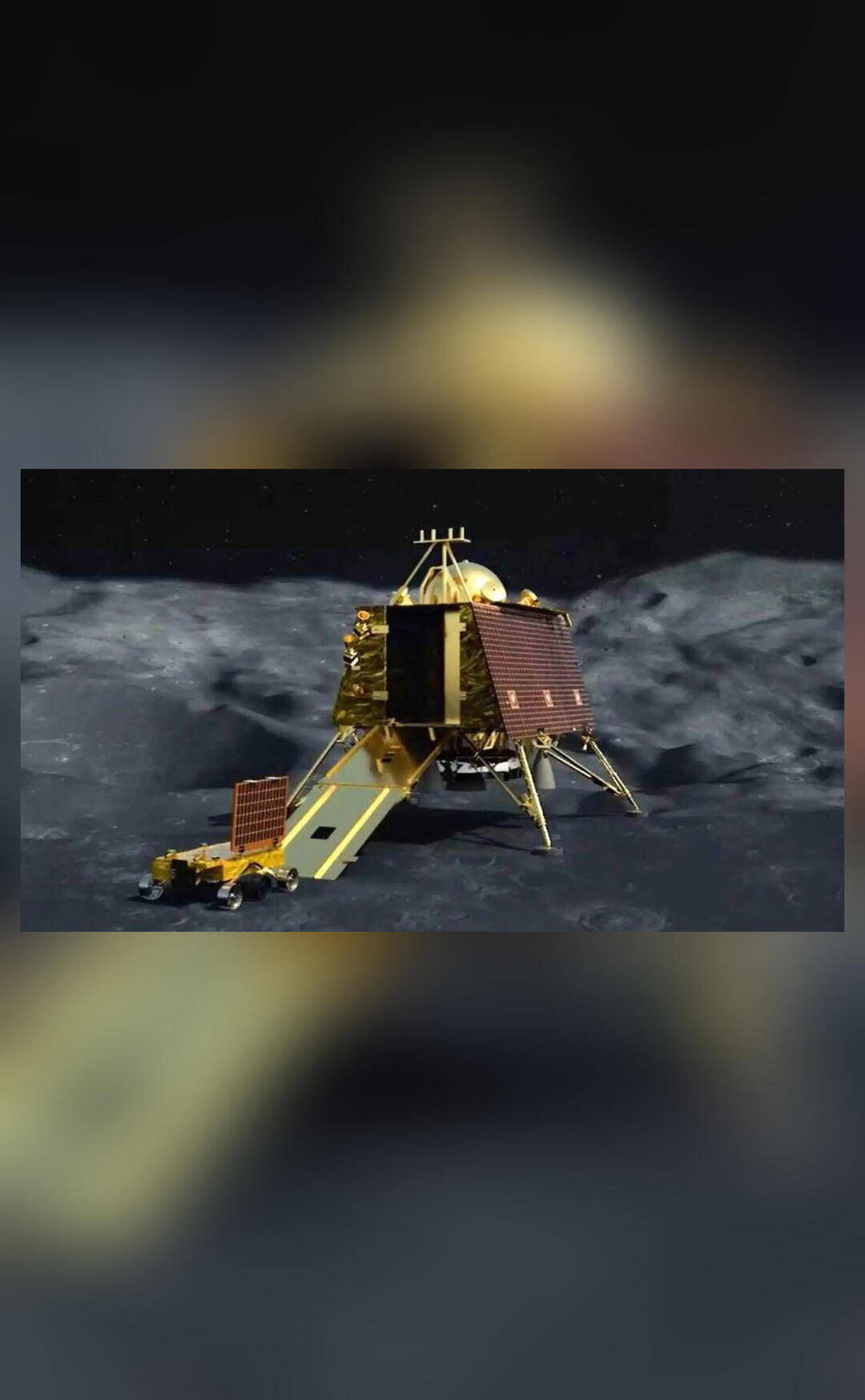
The Chandrayaan-3 mission, launched by ISRO in July 2023, consists of a propulsion module, a lander, and a rover. The propulsion module serves as the primary spacecraft, providing the necessary thrust and navigation for the mission. After completing its primary objectives, the propulsion module was left in a stable Earth orbit, awaiting further instructions. However, ISRO scientists had other plans for this module, utilizing the Moon’s gravity to alter its orbit in a clever and fuel-efficient manner.
On November 6, 2025, the Chandrayaan-3 propulsion module made its first close flyby of the Moon, passing within a distance of 3,740 kilometers. This flyby marked the beginning of a gravitational dance between the spacecraft and the lunar body, as the Moon’s gravity began to exert its influence on the module’s trajectory. The spacecraft’s velocity and direction were altered by the Moon’s gravitational pull, setting the stage for a second flyby just five days later.
The second flyby, which occurred on November 11, 2025, saw the propulsion module pass within 4,537 kilometers of the Moon’s surface. This close encounter further amplified the effects of the lunar gravity, resulting in a significant change in the spacecraft’s orbit. The Moon’s gravity pulled the module, naturally altering its path without the need for any fuel consumption. This clever maneuver, known as a “gravity assist,” allowed ISRO scientists to modify the spacecraft’s orbit size and direction, achieving a new and stable trajectory.
The successful alteration of the Chandrayaan-3 propulsion module’s orbit is a testament to the ingenuity and expertise of ISRO scientists. By harnessing the power of the Moon’s gravity, they were able to achieve a significant change in the spacecraft’s trajectory without expending any fuel. This approach not only conserves valuable resources but also demonstrates the potential for using celestial bodies to influence the motion of spacecraft.
The implications of this achievement are far-reaching, with potential applications in various areas of space exploration. For instance, gravity assists can be used to send spacecraft to distant planets or moons, reducing the need for fuel and increasing the efficiency of interplanetary missions. Additionally, this technique can be employed to modify the orbits of satellites or other spacecraft, allowing for more precise control over their trajectories and extending their operational lifetimes.
In conclusion, the alteration of the Chandrayaan-3 propulsion module’s orbit by the Moon’s gravity is a remarkable achievement that highlights the ingenuity and expertise of ISRO scientists. This event demonstrates the potential for using celestial mechanics to influence the motion of spacecraft, offering new opportunities for efficient and fuel-conserving space exploration. As we continue to push the boundaries of space travel and exploration, events like this serve as a reminder of the awe-inspiring power of the universe and the incredible feats that can be achieved through human ingenuity and scientific collaboration.
About the Author