How Moon altered the orbit of Chandrayaan-3’s propulsion module?
The Indian Space Research Organisation (ISRO) has achieved a significant milestone in the Chandrayaan-3 mission, as the propulsion module’s orbit was successfully altered by the Moon’s gravity. This remarkable feat was accomplished without using any fuel, highlighting the ingenuity and precision of ISRO’s space exploration endeavors. In this blog post, we will delve into the details of this achievement and explore the implications of this development for future space missions.
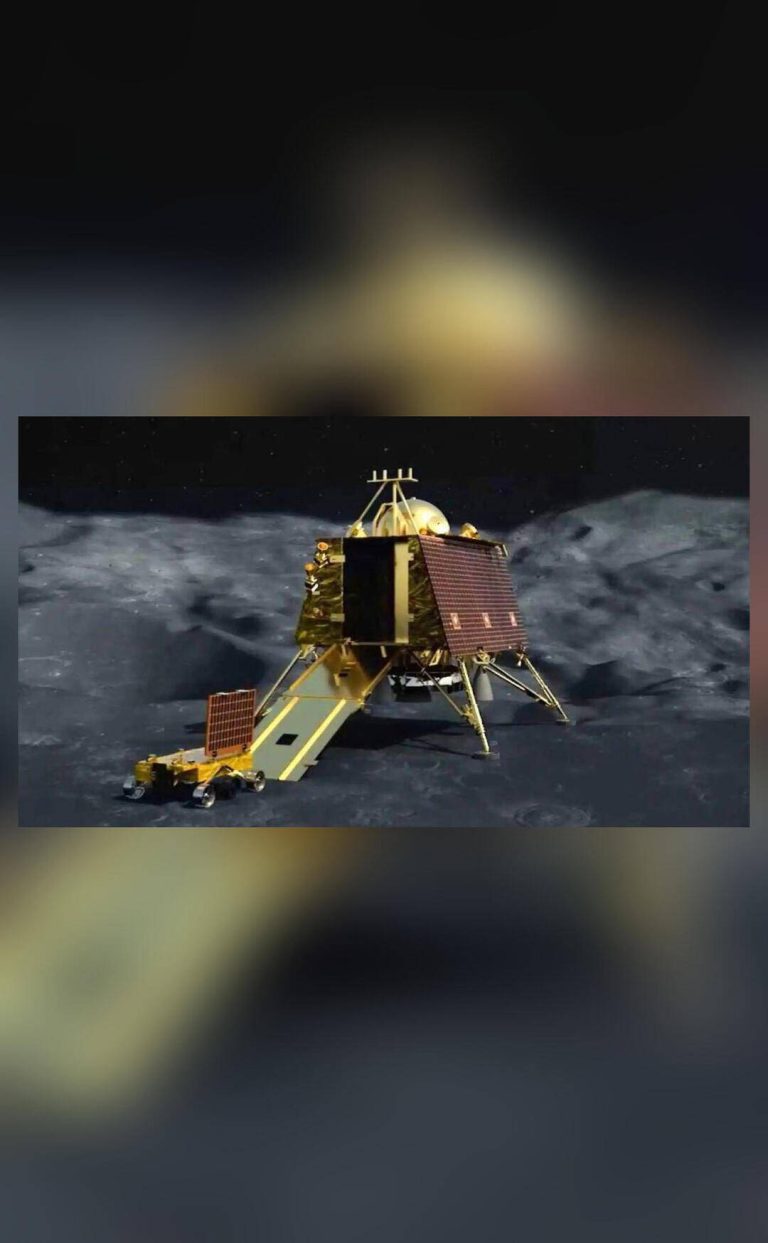
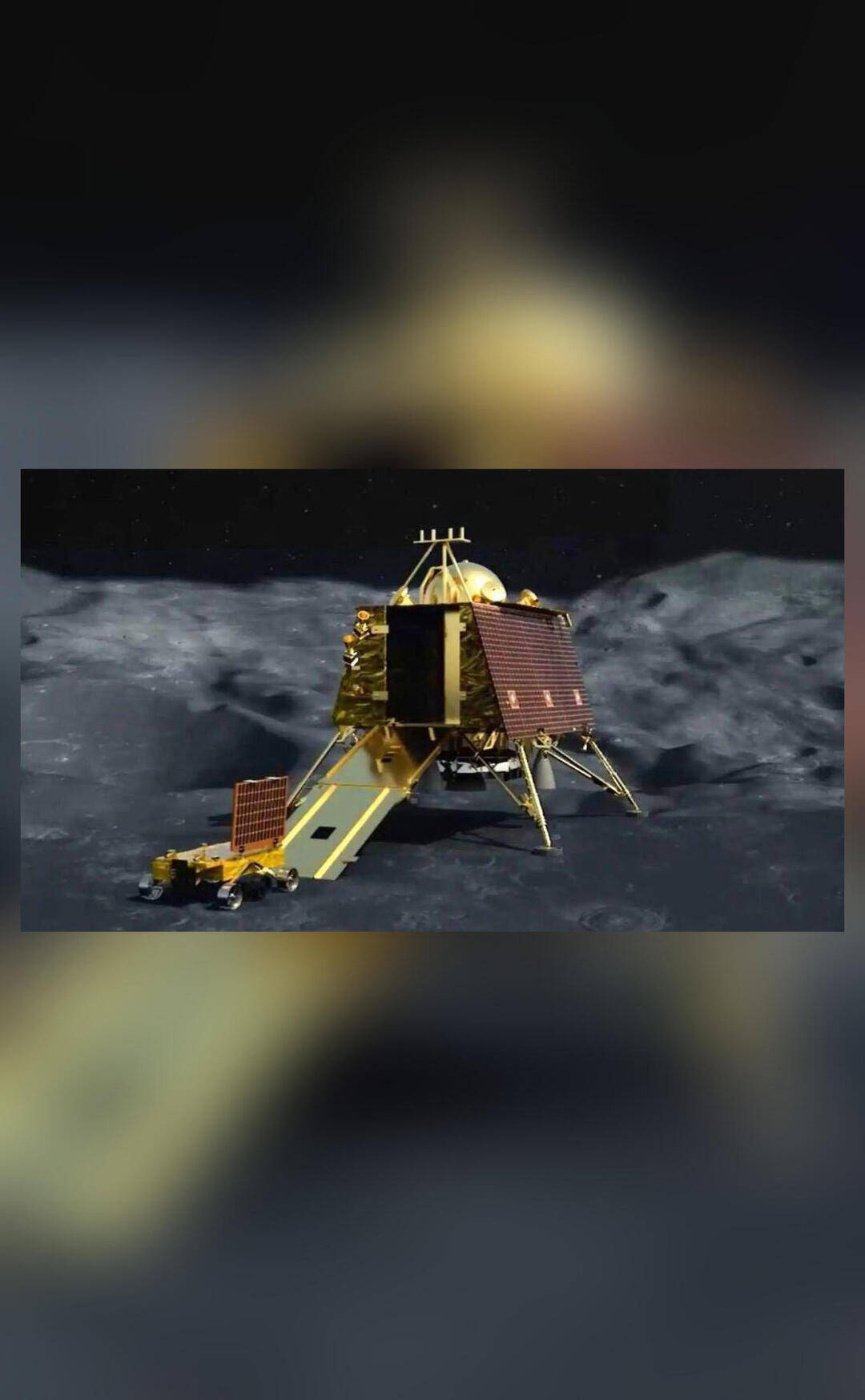
The Chandrayaan-3 mission, launched in July 2023, aimed to demonstrate India’s capabilities in landing a spacecraft on the lunar surface. The mission consists of three main components: the propulsion module, the lander, and the rover. While the lander and rover were designed to touch down on the Moon’s surface, the propulsion module was tasked with providing the necessary thrust for the spacecraft to escape Earth’s orbit and travel to the Moon.
In November 2025, the propulsion module had its Earth orbit significantly changed after passing close to the Moon. During two flybys, one at an altitude of 3,740 km on November 6 and another at 4,537 km on November 11, the lunar gravity pulled the spacecraft, naturally altering its path without using any fuel. This gravitational interaction between the Moon and the propulsion module resulted in a significant change in the module’s orbit size and direction.
The first flyby, which occurred on November 6, saw the propulsion module pass within 3,740 km of the Moon’s surface. As the spacecraft approached the Moon, the lunar gravity began to exert its influence, slowly altering the module’s trajectory. The gravity assist maneuver, as it is known, allowed the spacecraft to harness the Moon’s gravity to change its velocity and direction without expending any fuel.
The second flyby, which took place on November 11, saw the propulsion module pass at an altitude of 4,537 km. This encounter further refined the module’s orbit, ensuring that it was on a stable and precise trajectory. The success of these gravity assist maneuvers demonstrates the advanced capabilities of ISRO’s mission planners and the precision of their calculations.
The alteration of the propulsion module’s orbit has significant implications for the Chandrayaan-3 mission. By harnessing the Moon’s gravity, ISRO has been able to extend the mission’s duration and increase the spacecraft’s chances of success. The changed orbit also allows the propulsion module to maintain a stable and efficient trajectory, reducing the need for course corrections and fuel consumption.
Furthermore, this achievement demonstrates the potential of gravity assist maneuvers in space exploration. By using the gravity of celestial bodies to alter a spacecraft’s trajectory, space agencies can reduce the amount of fuel required for missions, thereby increasing their efficiency and cost-effectiveness. This technique has been used in various interplanetary missions, including NASA’s Voyager and Cassini missions, and has proven to be a valuable tool in space exploration.
In conclusion, the alteration of the Chandrayaan-3 propulsion module’s orbit by the Moon’s gravity is a significant achievement for ISRO and the Indian space program. This feat demonstrates the ingenuity and precision of ISRO’s mission planners and highlights the potential of gravity assist maneuvers in space exploration. As the Chandrayaan-3 mission continues to unfold, it will be exciting to see the further developments and achievements of this ambitious endeavor.
Read the full story at: https://www.newsbytesapp.com/news/science/how-chandrayaan-3-propulsion-module-s-orbit-was-altered-by-moon-s-gravity/story
About the Author