How Moon altered the orbit of Chandrayaan-3’s propulsion module?
The Chandrayaan-3 mission, India’s third lunar exploration endeavor, has been making headlines with its remarkable achievements. One of the most significant events in the mission’s journey so far has been the alteration of the orbit of its propulsion module. In November 2025, the module’s Earth orbit underwent a substantial change after passing close to the Moon. This change was not achieved through the use of fuel, but rather by the gravitational pull of the Moon during two close flybys.
The first flyby occurred on November 6, 2025, when the propulsion module passed within 3,740 km of the Moon’s surface. The second flyby took place just five days later, on November 11, 2025, at a distance of 4,537 km. During these close encounters, the Moon’s gravity exerted a significant influence on the spacecraft, naturally altering its trajectory without the need for propulsion.
According to the Indian Space Research Organisation (ISRO), the lunar gravity had a profound impact on the module’s orbit, changing its size and direction. This alteration in the orbit is a testament to the complex and fascinating dance between celestial bodies in our solar system. The precise calculations and planning that went into executing these flybys demonstrate the exceptional skill and expertise of the ISRO team.
To understand the significance of this event, it’s essential to delve into the science behind gravitational interactions between celestial bodies. The gravity of the Moon, although much weaker than that of the Earth, is still sufficient to influence the trajectory of a spacecraft. When the propulsion module passed close to the Moon, it was essentially “slingshotted” by the lunar gravity, which changed its velocity and direction.
This technique, known as gravity assist, is commonly used in space missions to alter the trajectory of a spacecraft without expending fuel. By carefully planning the flyby, the ISRO team was able to harness the Moon’s gravity to modify the orbit of the propulsion module, achieving the desired outcome without using precious fuel.
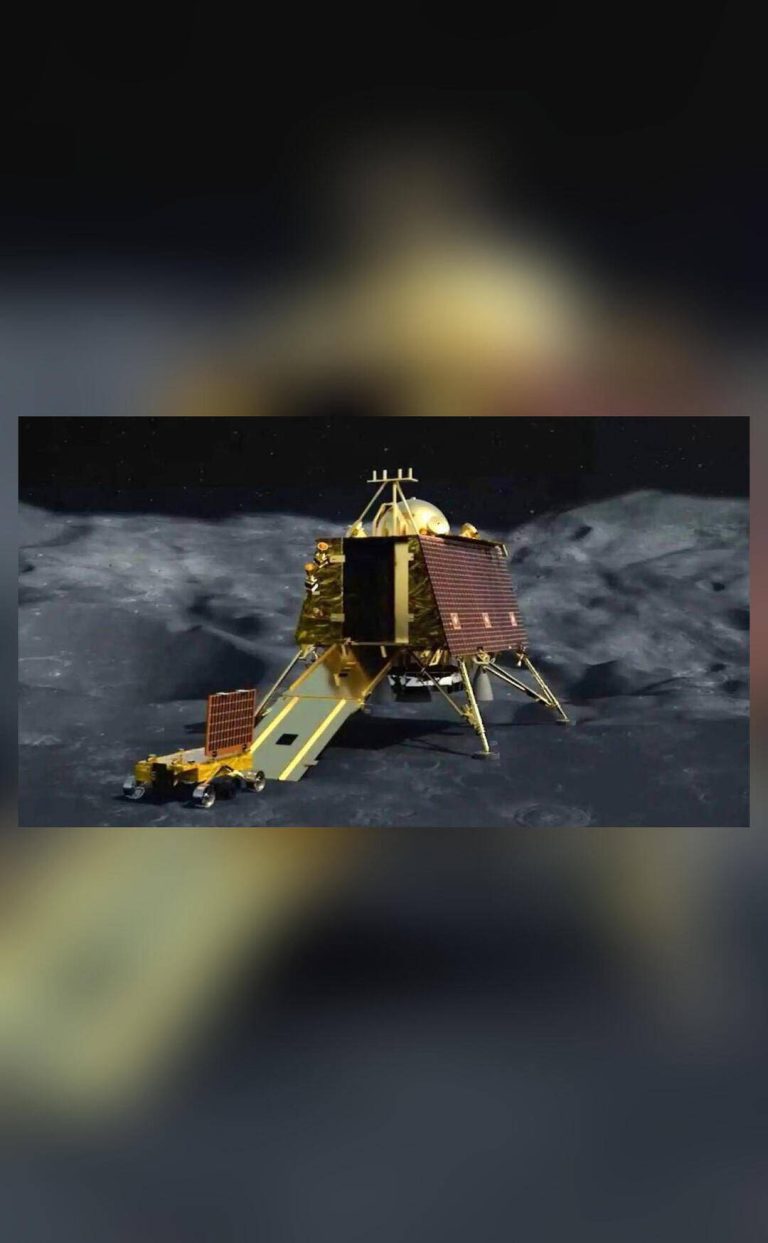
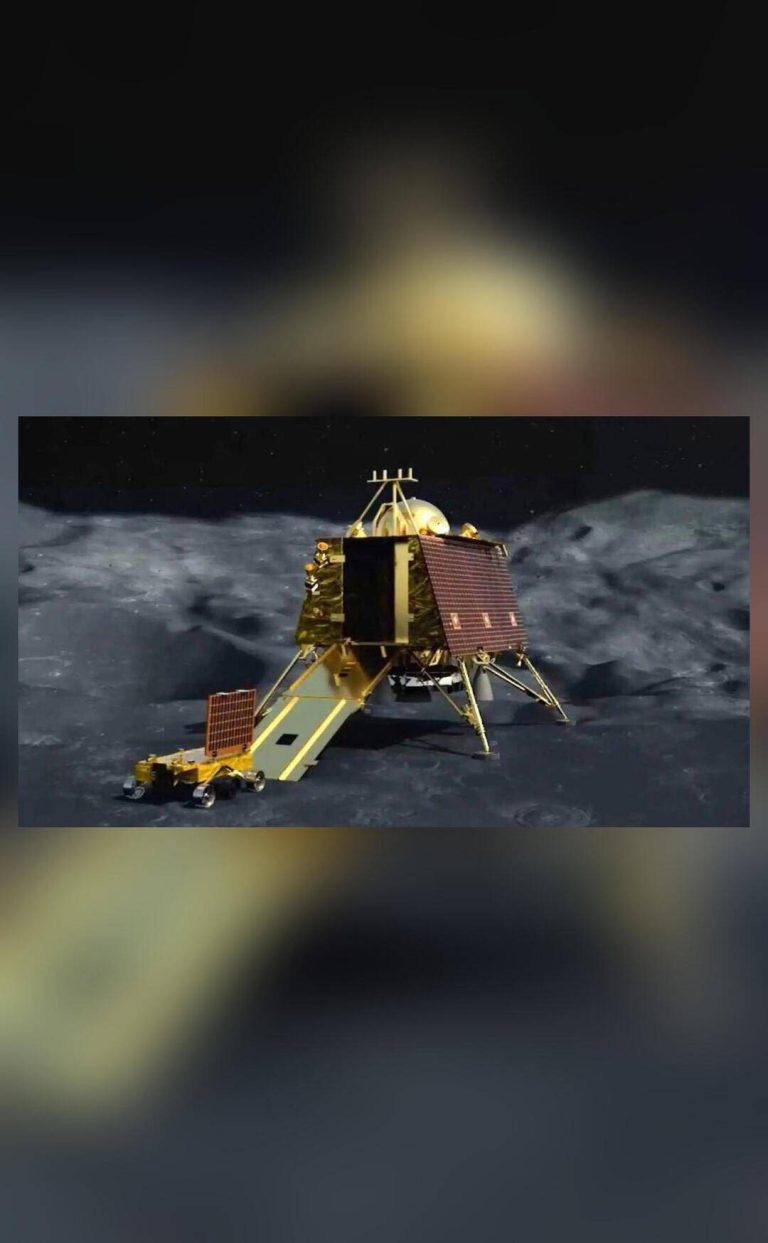
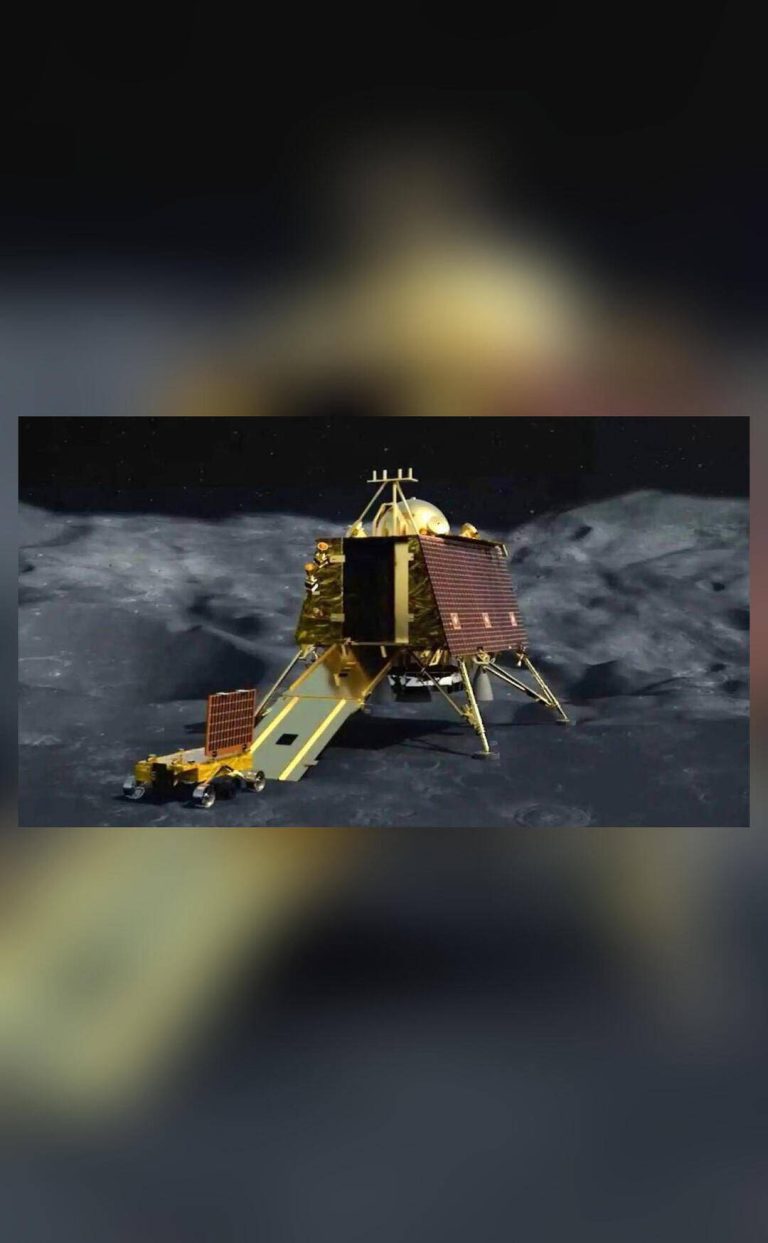
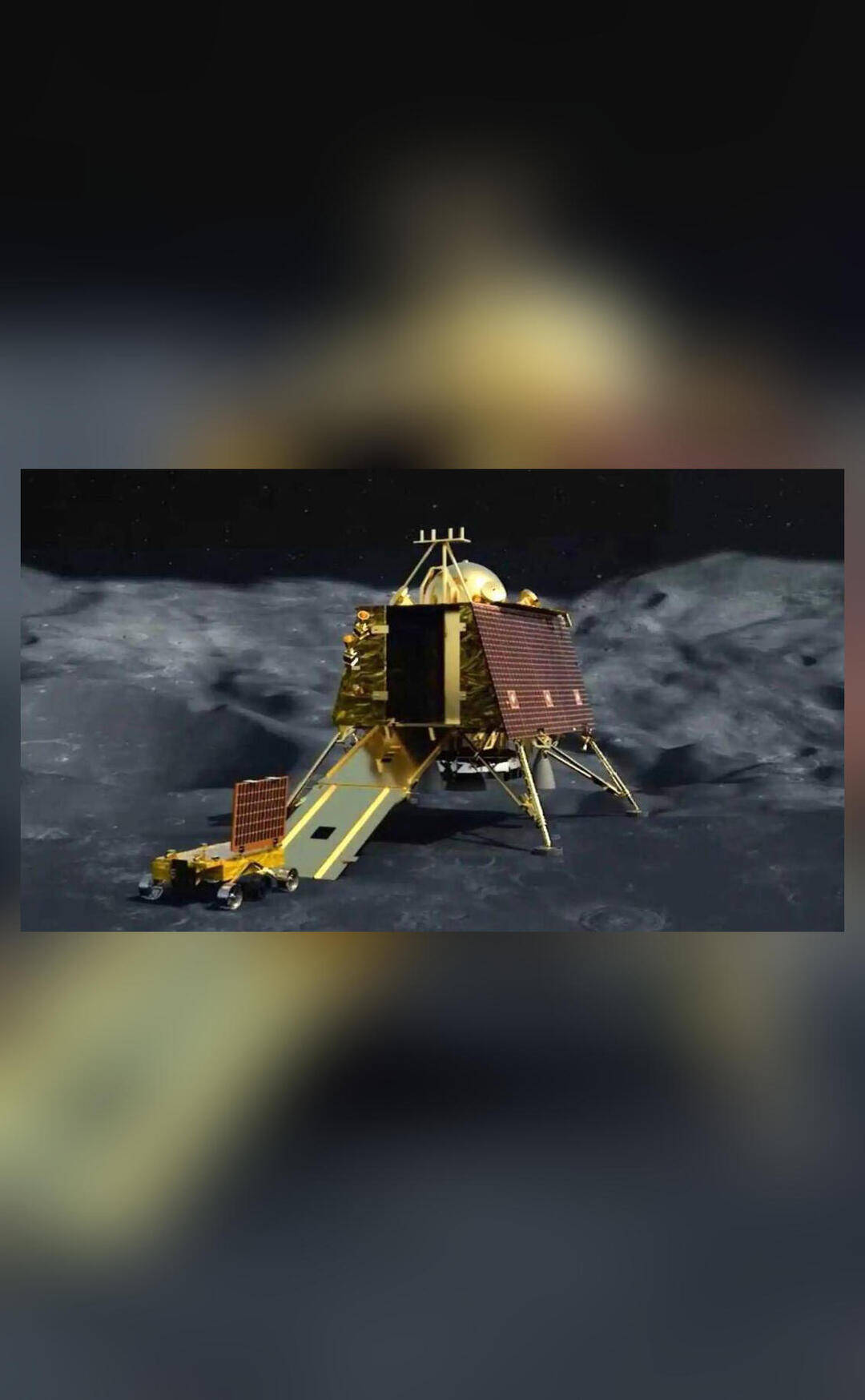
The Chandrayaan-3 mission is a remarkable example of India’s growing capabilities in space exploration. The mission consists of a propulsion module, a lander, and a rover, all of which are designed to work in tandem to achieve the mission’s objectives. The propulsion module, which is the focus of this article, is responsible for providing the necessary thrust to the spacecraft during its journey to the Moon.
The successful alteration of the propulsion module’s orbit is a significant milestone in the Chandrayaan-3 mission. It demonstrates the ability of the ISRO team to navigate complex celestial mechanics and execute precise maneuvers. This expertise will be crucial in the upcoming phases of the mission, particularly during the lunar landing and the deployment of the rover.
As the Chandrayaan-3 mission continues to unfold, it’s likely that we’ll witness more remarkable achievements. The ISRO team has already demonstrated its capabilities in launching and navigating spacecraft, and the successful alteration of the propulsion module’s orbit is a testament to their exceptional skills.
In conclusion, the alteration of the Chandrayaan-3 propulsion module’s orbit is a significant event that showcases the power of gravitational interactions between celestial bodies. The ISRO team’s ability to harness the Moon’s gravity to modify the spacecraft’s trajectory without using fuel is a remarkable achievement that demonstrates their expertise in space exploration.
As we look to the future of space exploration, it’s essential to recognize the importance of understanding and utilizing gravitational interactions between celestial bodies. The Chandrayaan-3 mission is a shining example of how this knowledge can be applied to achieve remarkable outcomes, and it’s likely that we’ll see more innovative uses of gravity assist in future space missions.
About the Author