BJP twisting my comments: K’taka Dy CM on ‘We don’t want Keralites’ remark
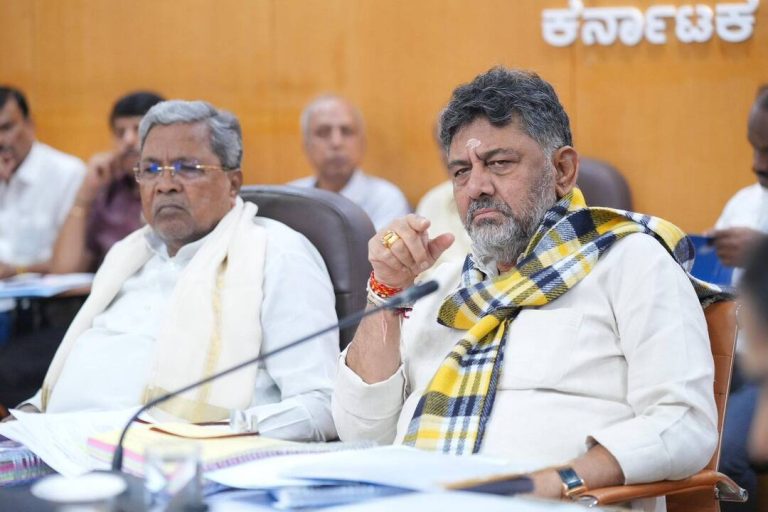
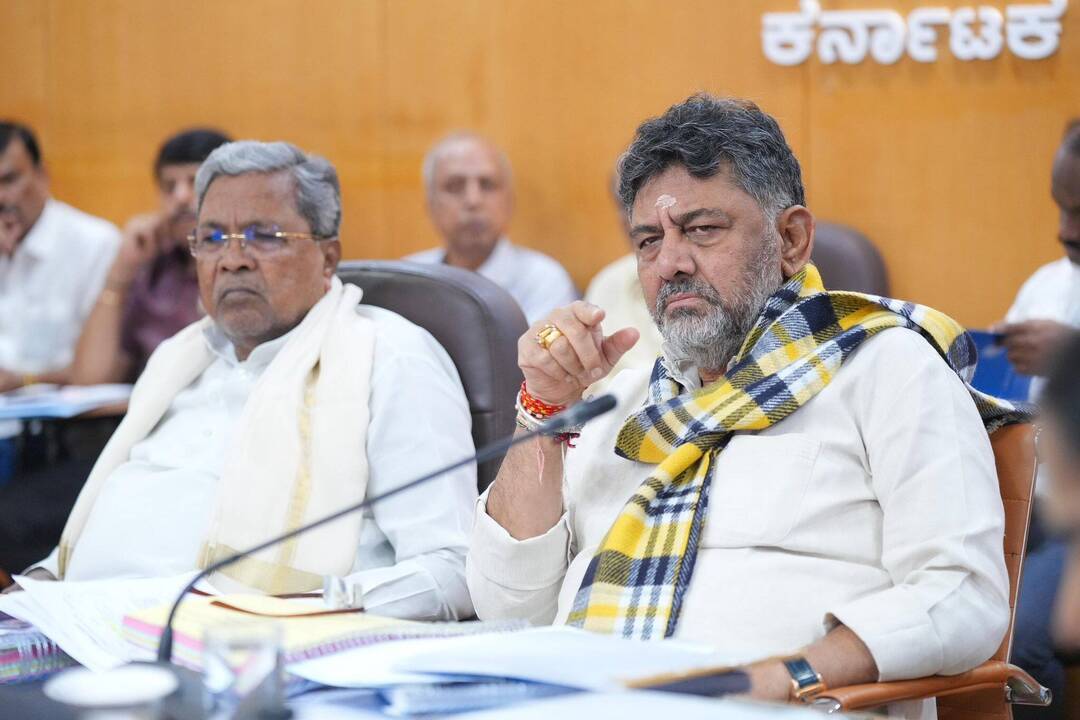
In a recent controversy, Karnataka Deputy Chief Minister DK Shivakumar found himself at the center of a storm after his comments on not wanting Keralites in the state were widely reported. However, on Tuesday, Shivakumar clarified that his remarks were taken out of context and twisted by the Bharatiya Janata Party (BJP). According to him, his comment was aimed at the Kerala government’s interference in the Kogilu demolition drive, not at the people of Kerala.
The controversy began when Shivakumar made a statement that seemed to suggest that Keralites were not welcome in Karnataka. The comment sparked outrage, with many accusing the Deputy Chief Minister of promoting regionalism and xenophobia. However, Shivakumar has now come out to clarify that his words were misunderstood and that he has always had cordial ties with the people of Kerala.
Shivakumar accused Kerala BJP chief Rajeev Chandrasekhar of twisting his words and using them for political gain. He stated that his comment was specifically directed at the Kerala government’s attempt to interfere in the Kogilu demolition drive, which is a matter that falls under the jurisdiction of the Karnataka state government. The Kogilu demolition drive is a contentious issue, with many residents of the area opposing the demolition of their homes.
The Deputy Chief Minister emphasized that he has always respected the people of Kerala and values his relationships with them. He also announced that he would be campaigning in the upcoming Kerala polls, which is a testament to his commitment to maintaining good relations with the people of the state. Shivakumar’s clarification has helped to diffuse the tension that had been building up over the past few days, and it remains to be seen how the situation will unfold in the coming days.
The controversy surrounding Shivakumar’s comment is not an isolated incident. It is part of a larger trend of regionalism and xenophobia that has been on the rise in India in recent years. Many politicians have been accused of promoting divisive rhetoric and using regional sentiment to further their political agendas. This has led to increased tensions between different states and regions, and has raised concerns about the unity and integrity of the country.
In this context, Shivakumar’s clarification is a welcome move. By acknowledging that his words were misunderstood and by emphasizing his respect for the people of Kerala, he has helped to reduce tensions and promote a sense of unity and cooperation between the two states. It is essential for politicians to be mindful of the impact of their words and to avoid making statements that can be misinterpreted or used to promote divisive agendas.
The role of the media in reporting on such controversies is also crucial. While it is essential to report on important issues and to hold politicians accountable for their words and actions, it is equally important to ensure that the reporting is accurate and unbiased. In this case, the media’s reporting on Shivakumar’s comment helped to fuel the controversy, and it was only after the Deputy Chief Minister’s clarification that the true context of his words became clear.
In conclusion, the controversy surrounding DK Shivakumar’s comment on not wanting Keralites in Karnataka is a reminder of the need for careful and nuanced communication in politics. It is essential for politicians to be mindful of the impact of their words and to avoid making statements that can be misinterpreted or used to promote divisive agendas. The media also has a crucial role to play in reporting on such controversies, and it is essential to ensure that the reporting is accurate and unbiased.
As the situation continues to unfold, it will be interesting to see how the relationship between Karnataka and Kerala develops. The two states have a long history of cooperation and friendship, and it is essential to maintain this relationship in the face of political controversies. By promoting a sense of unity and cooperation, politicians and the media can help to build a more harmonious and inclusive society, where people from different regions and backgrounds can live and work together in peace and prosperity.
About the Author