How Moon altered the orbit of Chandrayaan-3’s propulsion module?
In a remarkable demonstration of celestial mechanics, the Moon’s gravity has significantly altered the orbit of Chandrayaan-3’s propulsion module. This unexpected yet fascinating event occurred in November 2025, when the spacecraft made two close flybys of the Moon, leveraging the lunar gravity to change its trajectory without expending any fuel. The Indian Space Research Organisation (ISRO) has confirmed that the Moon’s gravity pulled the spacecraft during these flybys, naturally altering its path and modifying its orbit size and direction.
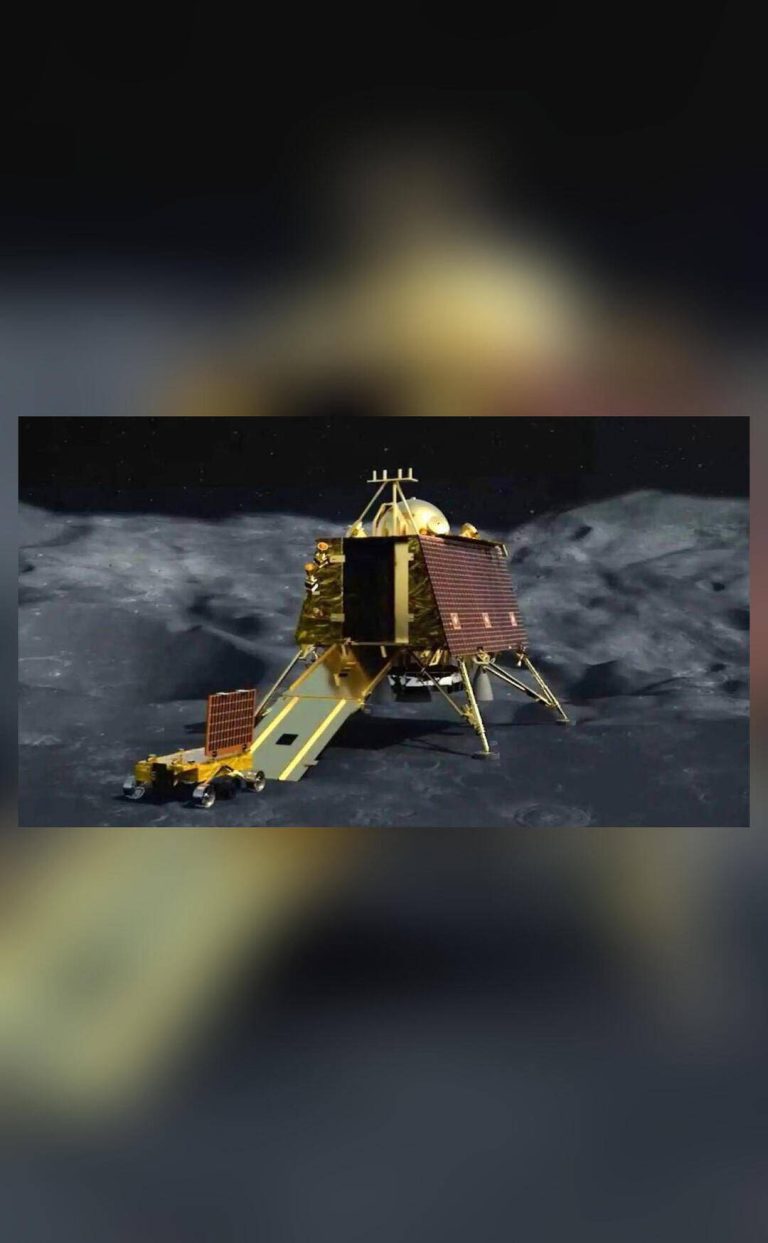
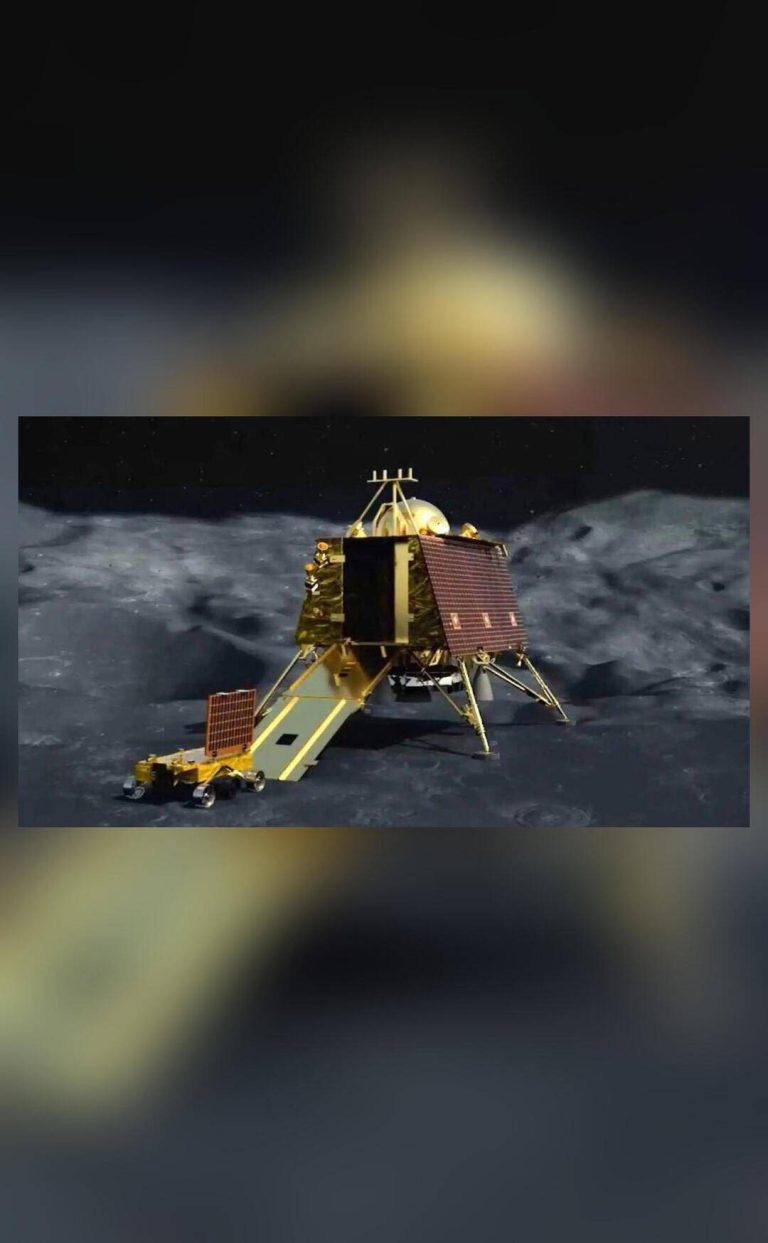
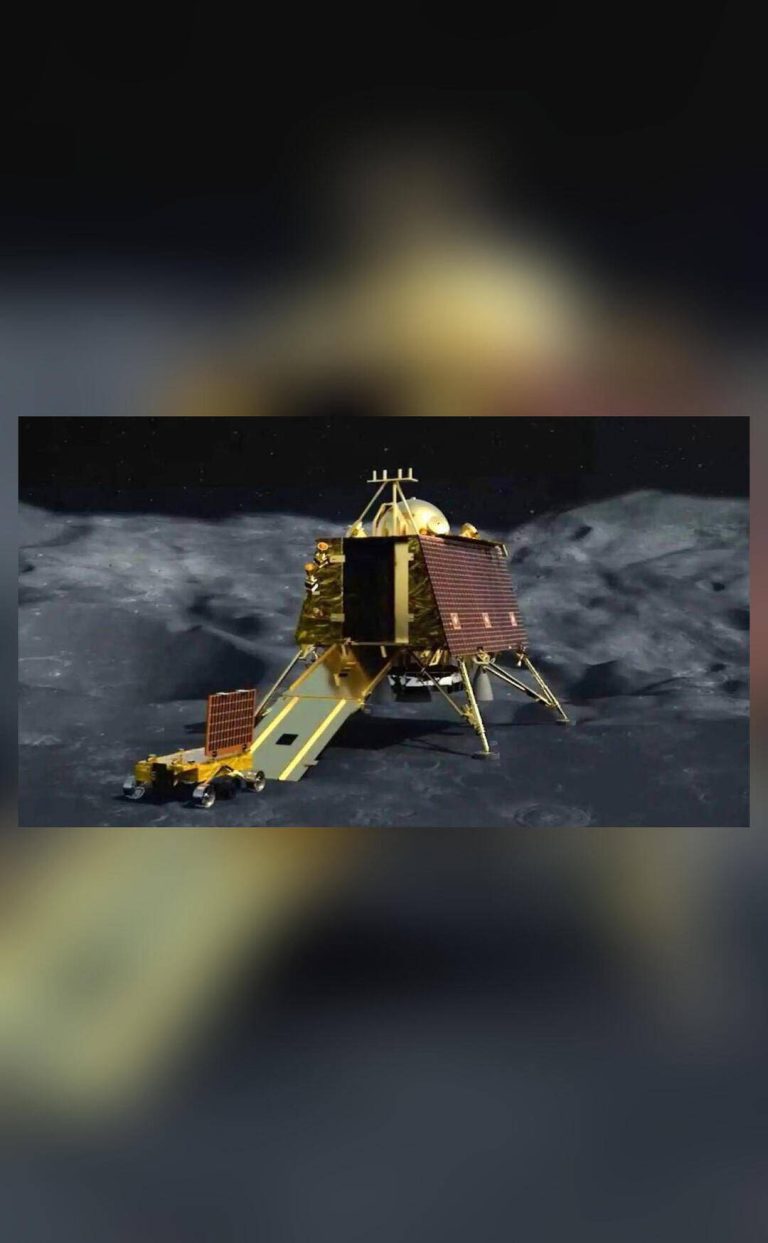
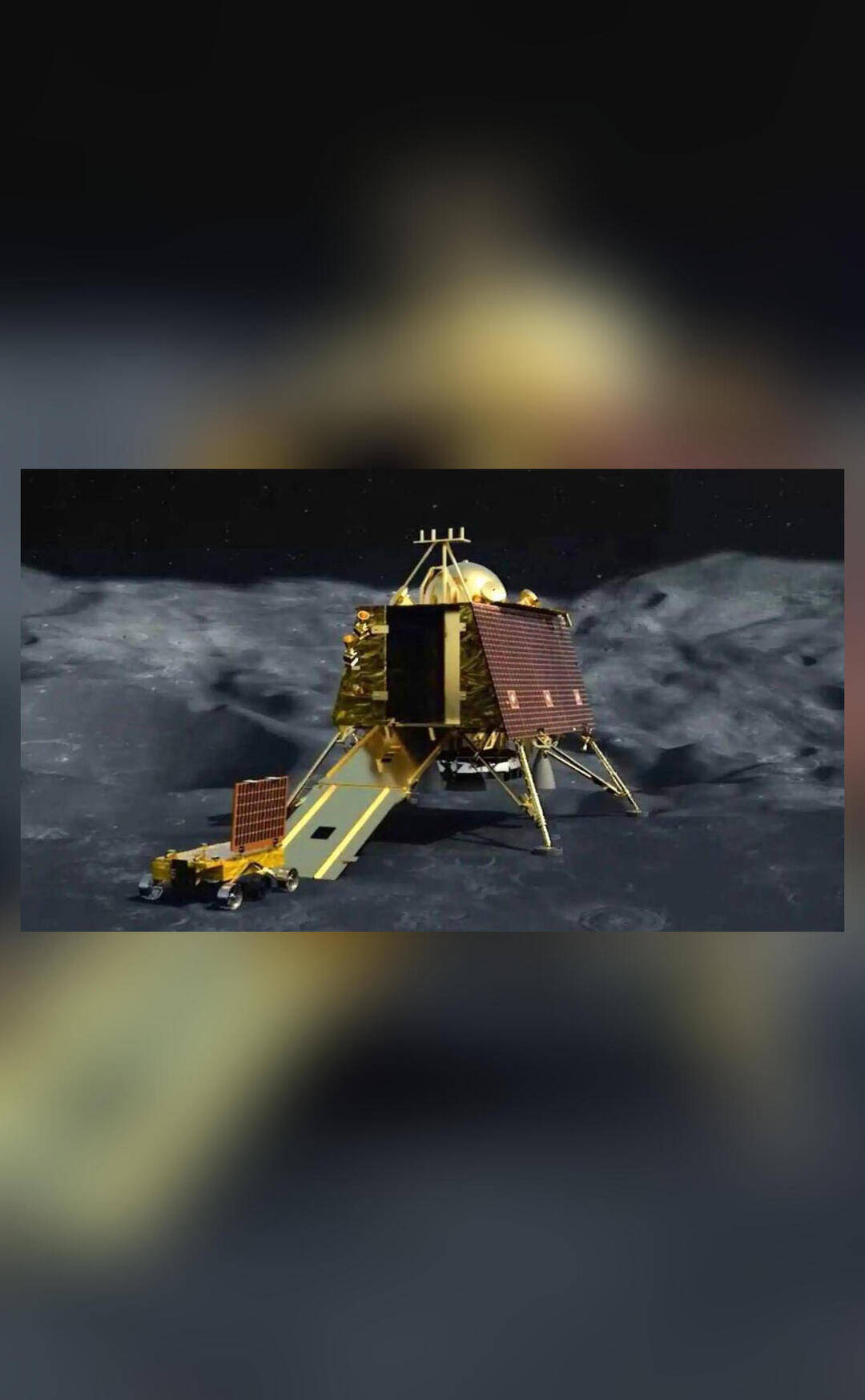
The Chandrayaan-3 mission, launched by ISRO, is a significant milestone in India’s space exploration program. The mission aims to demonstrate the capability to soft-land a rover on the lunar surface, a feat that has been achieved by only a few countries. The propulsion module, an essential component of the Chandrayaan-3 spacecraft, plays a crucial role in navigating the spacecraft to the Moon and facilitating communication with Earth.
On November 6, 2025, the Chandrayaan-3 propulsion module made its first close flyby of the Moon, passing within a distance of 3,740 km. During this flyby, the Moon’s gravity exerted a significant force on the spacecraft, pulling it towards the lunar surface. Although the spacecraft did not enter into lunar orbit, the gravitational interaction between the Moon and the spacecraft resulted in a change in the spacecraft’s velocity and trajectory.
Just five days later, on November 11, 2025, the Chandrayaan-3 propulsion module made another close flyby of the Moon, this time at a distance of 4,537 km. Similar to the first flyby, the Moon’s gravity once again influenced the spacecraft’s motion, further altering its orbit. The combined effect of these two flybys has resulted in a significant change in the spacecraft’s orbit size and direction.
The use of lunar gravity to alter a spacecraft’s trajectory is not a new concept. This technique, known as a “gravity assist” or “flyby,” has been employed by space agencies around the world to change the trajectory of spacecraft and save fuel. By flying close to a celestial body, a spacecraft can harness the gravity of that body to change its velocity and direction, thereby altering its orbit. This technique has been used in numerous interplanetary missions, including the Voyager and Cassini missions.
In the case of the Chandrayaan-3 propulsion module, the gravity assist provided by the Moon has proven to be a game-changer. By leveraging the lunar gravity, the spacecraft has been able to change its orbit without expending any fuel, thereby extending its mission life and reducing the need for propellant. This is particularly significant, as fuel is a limited resource in space missions, and any technique that can reduce fuel consumption is highly valuable.
The success of the Chandrayaan-3 mission has significant implications for future space missions. The use of gravity assists and lunar flybys can be employed in a variety of missions, including lunar and interplanetary missions. By harnessing the gravity of celestial bodies, spacecraft can change their trajectories and achieve their mission objectives more efficiently.
In conclusion, the Moon’s gravity has played a significant role in altering the orbit of the Chandrayaan-3 propulsion module. The two close flybys of the Moon have resulted in a change in the spacecraft’s orbit size and direction, demonstrating the power of gravity assists in space missions. As space agencies continue to explore the vast expanse of space, the use of gravity assists and lunar flybys will become increasingly important, enabling spacecraft to achieve their mission objectives more efficiently and effectively.
About the Author