How Moon altered the orbit of Chandrayaan-3’s propulsion module?
The Indian Space Research Organisation (ISRO) has achieved a significant milestone in the Chandrayaan-3 mission, with the spacecraft’s propulsion module undergoing a remarkable change in its Earth orbit. This alteration was made possible by the gravitational influence of the Moon, which pulled the spacecraft during two close flybys in November 2025. The event marked a crucial phase in the mission, as the propulsion module’s orbit size and direction were naturally altered without the use of fuel.
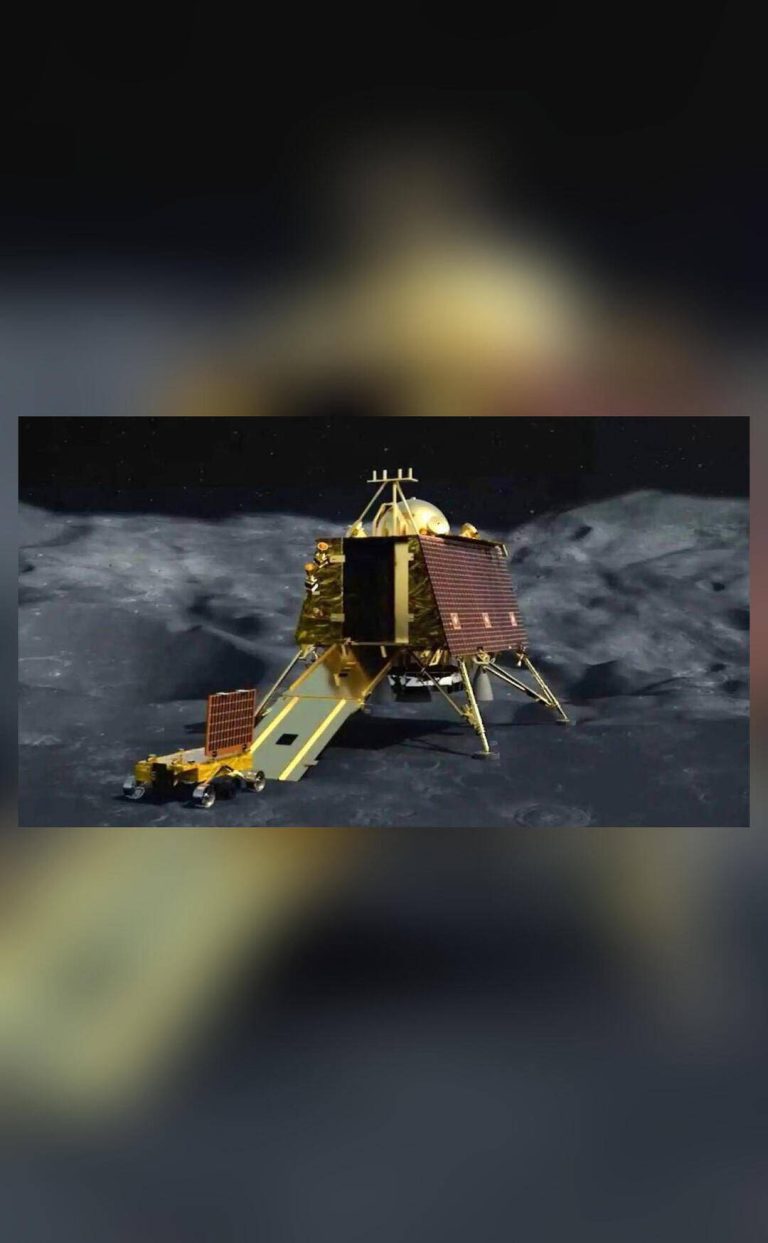
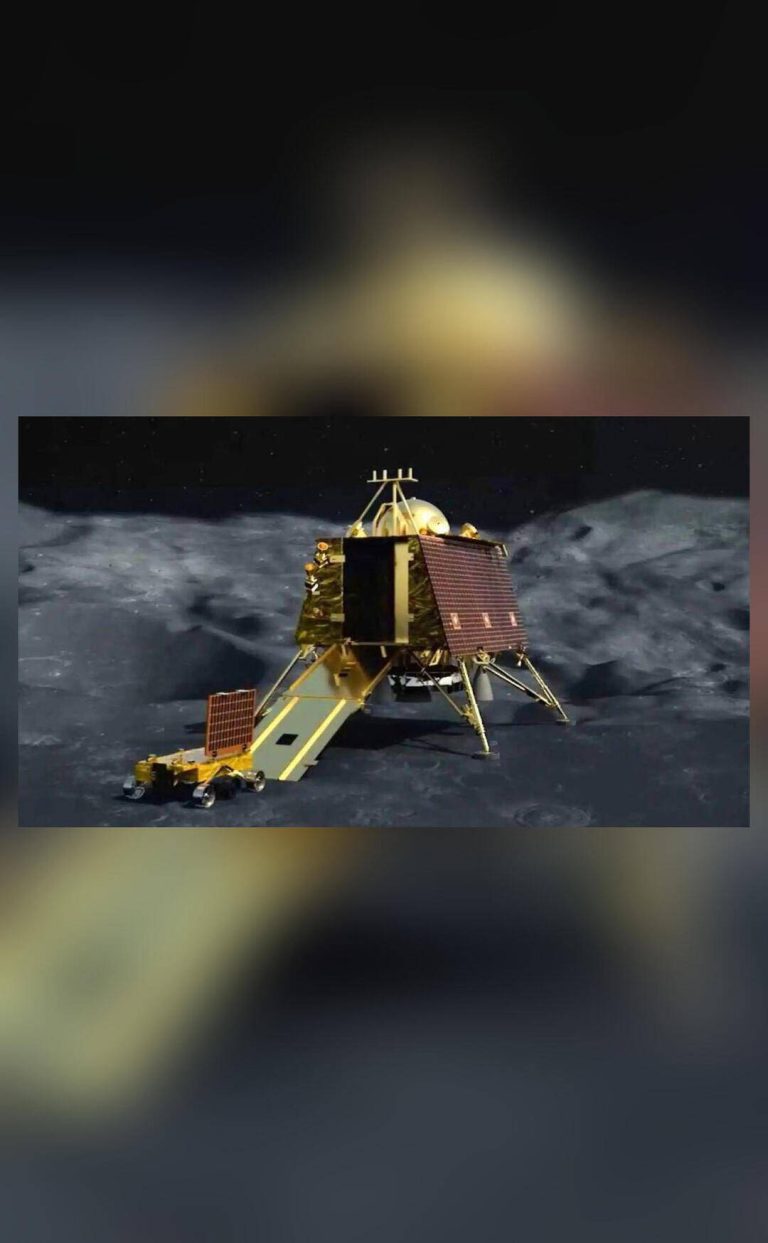
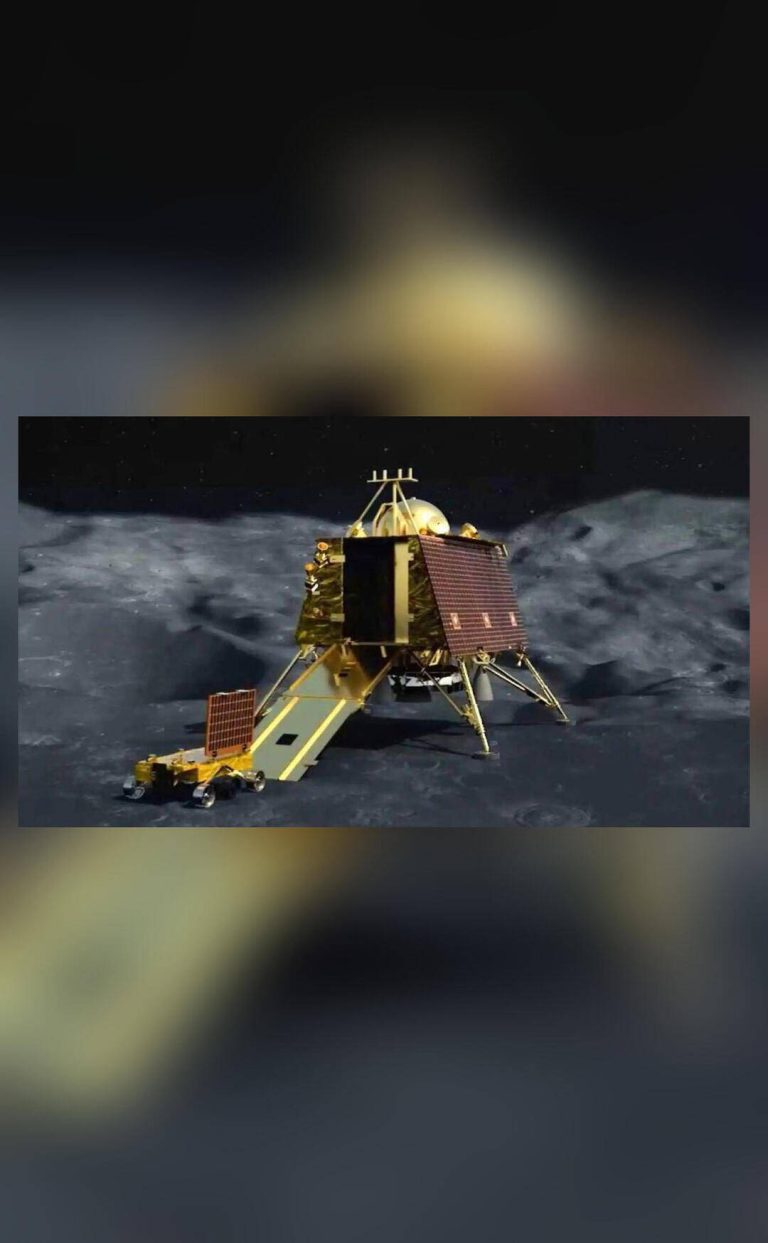
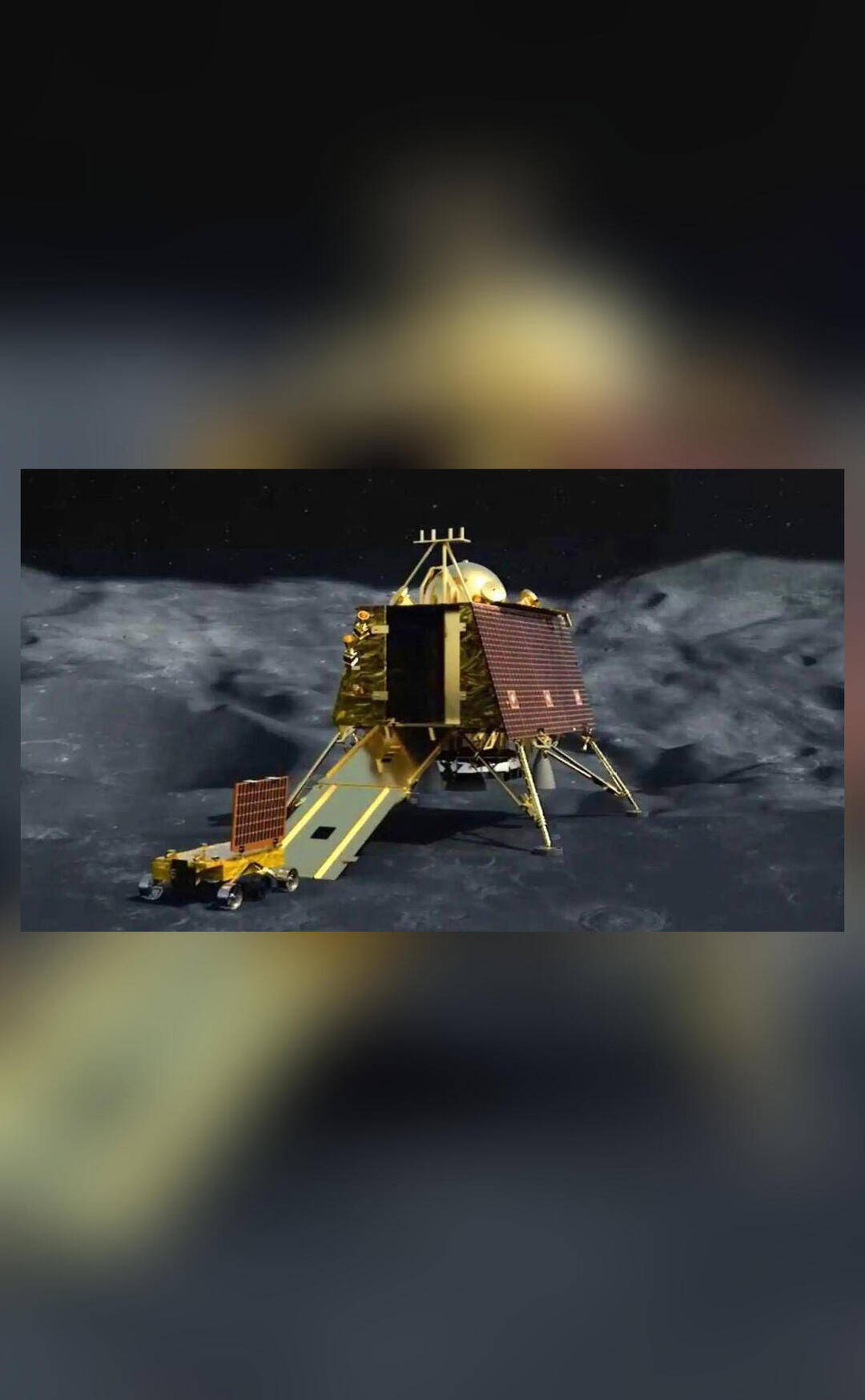
The Chandrayaan-3 mission, launched by ISRO, aims to further explore the lunar surface and conduct scientific experiments. The spacecraft consists of a propulsion module, a lander, and a rover, each designed to perform specific tasks. The propulsion module serves as the primary component, providing the necessary thrust for the spacecraft to reach the Moon and enter into lunar orbit. However, during its journey, the module’s orbit was altered by the Moon’s gravity, showcasing the complex and fascinating dynamics of space travel.
On November 6, 2025, the Chandrayaan-3 propulsion module flew by the Moon at a distance of approximately 3,740 kilometers. This close encounter allowed the Moon’s gravity to exert a significant influence on the spacecraft, causing its orbit to change. The gravitational pull of the Moon slowed down the spacecraft, altering its trajectory and setting it on a new path. This event marked the first instance of the Moon’s gravity affecting the propulsion module’s orbit.
Just five days later, on November 11, 2025, the spacecraft flew by the Moon once again, this time at a distance of 4,537 kilometers. The second flyby further altered the propulsion module’s orbit, as the Moon’s gravity continued to exert its influence. The combined effect of the two flybys resulted in a significant change in the spacecraft’s orbit size and direction. ISRO confirmed that the Moon’s gravity had successfully altered the propulsion module’s orbit without the need for fuel, demonstrating the spacecraft’s ability to harness the natural forces of the space environment.
The alteration of the propulsion module’s orbit is a testament to the complex and dynamic nature of space travel. The gravitational influence of celestial bodies, such as the Moon, can have a profound impact on the trajectory of spacecraft. By leveraging this phenomenon, space agencies like ISRO can develop more efficient and fuel-efficient mission plans, reducing the need for propellant and increasing the overall effectiveness of their spacecraft.
The success of the Chandrayaan-3 mission is a significant milestone for ISRO, marking a major achievement in the country’s space program. The mission has demonstrated India’s capabilities in space exploration, showcasing its ability to design, launch, and operate complex spacecraft. The altered orbit of the propulsion module serves as a prime example of the mission’s innovative approach, highlighting the potential for space agencies to harness the natural forces of the space environment to achieve their objectives.
As the Chandrayaan-3 mission continues to unfold, scientists and space enthusiasts around the world will be closely monitoring its progress. The successful alteration of the propulsion module’s orbit has set the stage for the next phase of the mission, which will involve the landing of the spacecraft on the lunar surface. The upcoming landing will mark a significant milestone in the mission, as the rover and lander will begin conducting scientific experiments and gathering valuable data about the Moon’s composition and geology.
In conclusion, the alteration of the Chandrayaan-3 propulsion module’s orbit by the Moon’s gravity is a remarkable achievement, demonstrating the complex and dynamic nature of space travel. The success of this event marks a significant milestone in the mission, showcasing ISRO’s innovative approach to space exploration. As the mission continues to unfold, the world will be watching with great interest, eager to learn more about the wonders of the lunar surface and the capabilities of the Chandrayaan-3 spacecraft.
About the Author