Study Reveals What Losing Weight in Mid-Life May Do to One’s Brain
As we age, our bodies undergo a series of changes that can affect our overall health and well-being. One of the most significant changes that occur during mid-life is weight gain, which can increase the risk of developing various health problems, such as diabetes, cardiovascular disease, and certain types of cancer. While losing weight in mid-life can help mitigate these risks, a recent study has revealed that it may have an unexpected and potentially alarming effect on the brain.
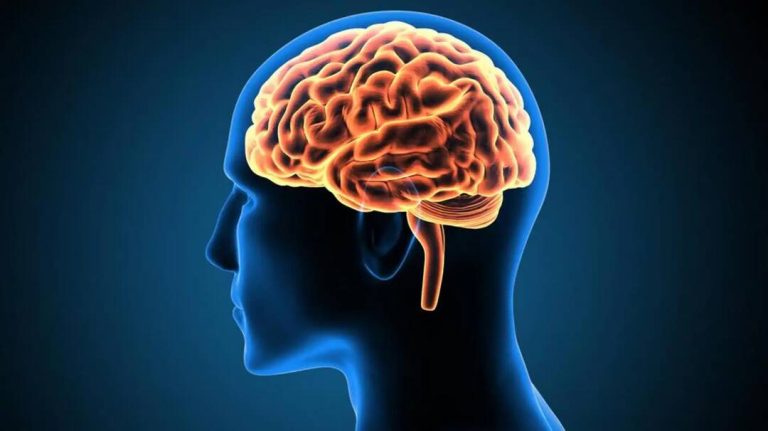
The study, which was conducted on middle-aged mice, found that weight loss caused increased inflammation in the hypothalamus, a part of the brain that plays a crucial role in regulating appetite and energy use. The inflammation persisted for weeks before gradually declining, sparking concerns about the potential impact on memory problems and neurodegenerative conditions such as Alzheimer’s.
The hypothalamus is a small but vital region of the brain that helps to control various bodily functions, including hunger, thirst, body temperature, and hormone balance. It is also involved in the regulation of energy homeostasis, which is the body’s ability to maintain a stable energy balance despite changes in food intake and energy expenditure. When the hypothalamus is functioning properly, it helps to ensure that the body is able to respond appropriately to changes in energy demand, such as during periods of fasting or exercise.
However, when the hypothalamus becomes inflamed, it can disrupt the normal functioning of the brain and lead to a range of problems, including changes in appetite, metabolism, and cognitive function. The study found that weight loss in middle-aged mice caused a significant increase in inflammatory markers in the hypothalamus, including cytokines and chemokines, which are molecules that promote inflammation.
The inflammation caused by weight loss in the hypothalamus is thought to be triggered by changes in the levels of certain hormones, such as leptin and insulin, which play a crucial role in regulating energy homeostasis. When we lose weight, our leptin levels decrease, which can lead to an increase in hunger and a decrease in metabolism. This can cause the hypothalamus to become inflamed, leading to changes in the way the brain regulates energy use and appetite.
The study’s findings have significant implications for our understanding of the relationship between weight loss and brain health. While losing weight in mid-life can have numerous health benefits, it is essential to consider the potential risks to the brain, particularly in terms of increased inflammation and cognitive decline. The study’s authors suggest that weight loss programs for middle-aged individuals should be designed to minimize the risk of hypothalamic inflammation, such as by incorporating anti-inflammatory diets and exercise routines.
Furthermore, the study’s findings highlight the importance of considering the potential long-term effects of weight loss on brain health. While the inflammation caused by weight loss in the hypothalamus may be temporary, it is possible that repeated episodes of weight loss and gain could lead to chronic inflammation and increased risk of neurodegenerative diseases such as Alzheimer’s.
In conclusion, the study’s findings suggest that losing weight in mid-life may have an unexpected and potentially alarming effect on the brain, particularly in terms of increased inflammation in the hypothalamus. While weight loss can have numerous health benefits, it is essential to consider the potential risks to brain health and to design weight loss programs that minimize the risk of hypothalamic inflammation. Further research is needed to fully understand the relationship between weight loss and brain health, but the study’s findings provide an important warning about the potential consequences of rapid weight loss in mid-life.
News Source: https://pubmed.ncbi.nlm.nih.gov/41107567/
About the Author