Hang my father if there is any proof: Unnao rape convict Sengar’s daughter
The Unnao rape case has been a highly publicized and contentious issue in India, with the case involving expelled BJP MLA Kuldeep Singh Sengar, who was convicted of raping a minor girl in 2017. The case has been marred by controversy, with the survivor and her family facing numerous threats and intimidation. Recently, the Supreme Court stayed the bail granted to Sengar by the Delhi High Court, sparking a renewed debate about the case.
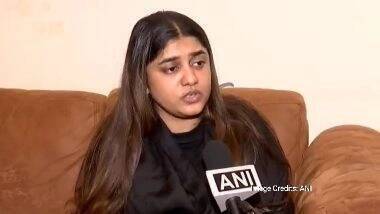
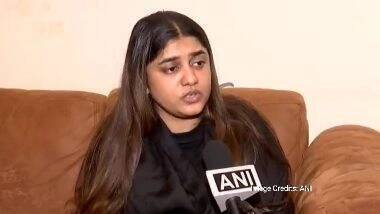
In a surprising turn of events, Aishwarya Sengar, the daughter of Kuldeep Singh Sengar, has come out in public to make a statement about the case. Speaking to the media, Aishwarya said that if there is any proof that her father had even looked at the rape survivor with ill intent, he should be hanged. This statement is significant, as it marks a rare instance of a family member of the accused speaking out against him.
Aishwarya’s remarks came after the Supreme Court’s decision to stay the bail granted to Sengar. The court’s decision was seen as a major setback for Sengar, who had been granted bail by the Delhi High Court earlier. The Supreme Court’s decision was welcomed by the survivor and her family, who had been fighting for justice for years.
The Unnao rape case has been a highly politicized issue, with many accusing the BJP of shielding Sengar and protecting him from prosecution. The case has also raised questions about the safety and security of women in India, particularly in rural areas where the case took place. The survivor, who was a minor at the time of the incident, has faced numerous threats and intimidation, including an accident that killed two of her aunts and left her critically injured.
Aishwarya’s statement is significant, as it marks a rare instance of a family member of the accused speaking out against him. Her remarks suggest that she is willing to accept the truth, even if it means accepting that her father is guilty of the crime. This is a significant departure from the usual stance taken by family members of accused individuals, who often deny any wrongdoing and claim that the accused is innocent.
The fact that Aishwarya is willing to accept the truth, even if it means accepting that her father is guilty, suggests that she is committed to justice and is willing to take a stand against her own family member if it means upholding the law. This is a rare and admirable quality, particularly in a case that has been marked by controversy and politicization.
The Unnao rape case has also raised questions about the role of politicians and political parties in shielding accused individuals from prosecution. The case has highlighted the need for greater accountability and transparency in the investigation and prosecution of crimes, particularly those involving powerful individuals.
In conclusion, Aishwarya Sengar’s statement is a significant development in the Unnao rape case. Her willingness to accept the truth, even if it means accepting that her father is guilty, suggests that she is committed to justice and is willing to take a stand against her own family member if it means upholding the law. The case highlights the need for greater accountability and transparency in the investigation and prosecution of crimes, particularly those involving powerful individuals.
As the case continues to unfold, it is likely that there will be further developments and revelations. The Supreme Court’s decision to stay the bail granted to Sengar is a significant step towards ensuring that justice is served, and it is likely that the case will continue to be closely watched by the public and the media.
Ultimately, the Unnao rape case is a reminder of the importance of upholding the law and ensuring that those who commit crimes are held accountable. It is a testament to the bravery and resilience of the survivor and her family, who have fought for justice despite facing numerous threats and intimidation. As the case continues to unfold, it is likely that there will be further developments and revelations, and it is hoped that justice will eventually be served.
About the Author