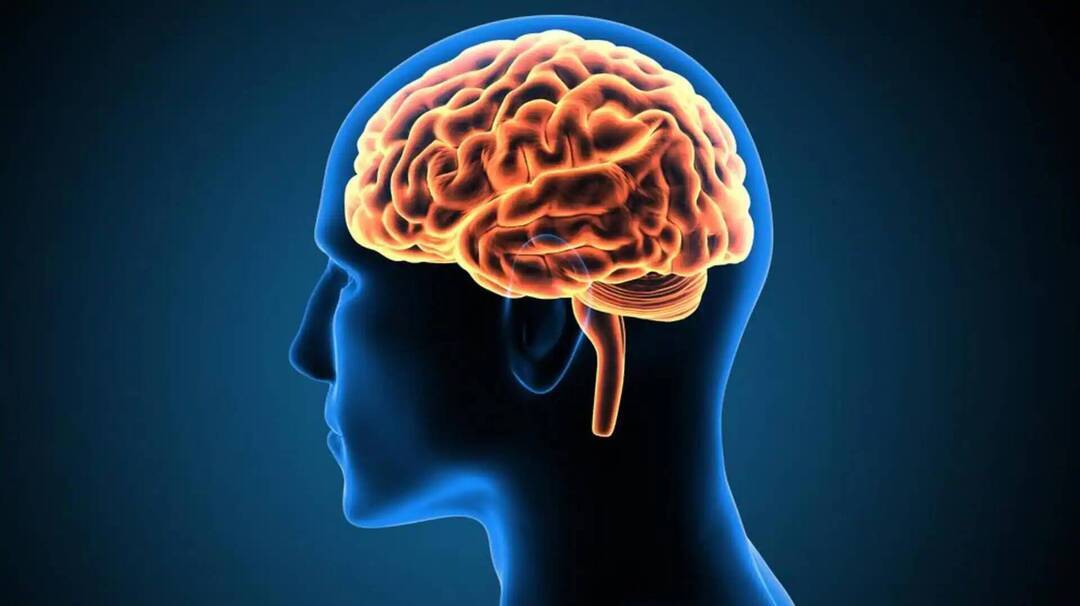
Study reveals what losing weight in mid-life may do to one’s brain
As we age, it’s common for our bodies to undergo a series of changes that can affect our overall health and wellbeing. One of the most significant changes that can occur during mid-life is weight gain, which can increase the risk of developing chronic diseases such as diabetes, cardiovascular disease, and certain types of cancer. While losing weight in mid-life can have numerous health benefits, a recent study has shed light on a potential downside to weight loss during this critical period. The study, which was conducted on middle-aged mice, found that weight loss can cause increased inflammation in the brain, specifically in the hypothalamus, a region that plays a crucial role in regulating appetite and energy use.
The hypothalamus is a small but vital part of the brain that helps to control many of our bodily functions, including hunger, thirst, body temperature, and hormone balance. It’s also involved in the regulation of our metabolism, which is the process by which our bodies convert food into energy. When we lose weight, our hypothalamus plays a key role in helping our bodies to adapt to the change in energy availability. However, the study found that weight loss in middle-aged mice caused a significant increase in inflammation in the hypothalamus, which lasted for weeks before gradually declining.
The inflammation caused by weight loss in the hypothalamus is a concern because it can have a negative impact on our brain health. Chronic inflammation in the brain has been linked to a range of neurodegenerative conditions, including Alzheimer’s disease, Parkinson’s disease, and multiple sclerosis. Inflammation can also impair cognitive function, leading to problems with memory, attention, and decision-making. The study’s findings suggest that weight loss in mid-life may increase the risk of developing these conditions, which can have a significant impact on our quality of life.
The study’s results are particularly concerning because they suggest that the effects of weight loss on the brain can be long-lasting. The inflammation caused by weight loss in the hypothalamus persisted for weeks, which is a significant period of time. This raises the possibility that weight loss in mid-life could have a lasting impact on our brain health, even after we’ve reached a healthy weight. The study’s authors note that further research is needed to fully understand the effects of weight loss on the brain, but the findings suggest that we should be cautious when it comes to losing weight in mid-life.
So, what can we do to minimize the potential risks of weight loss on our brain health? The first step is to approach weight loss in a healthy and sustainable way. Crash diets and extreme calorie restriction can cause rapid weight loss, but they can also lead to inflammation and other negative effects on our health. Instead, we should focus on making gradual changes to our diet and lifestyle, such as eating a balanced diet, getting regular exercise, and managing stress. These changes can help us to lose weight in a healthy way, while also reducing the risk of inflammation and other negative effects on our brain health.
It’s also important to note that the study’s findings don’t mean that we should avoid losing weight in mid-life altogether. Maintaining a healthy weight is crucial for our overall health and wellbeing, and losing weight can have numerous benefits, including reducing the risk of chronic diseases and improving our mental health. However, we should be aware of the potential risks of weight loss on our brain health, and take steps to minimize them.
In conclusion, the study’s findings highlight the complex relationship between weight loss and brain health. While losing weight in mid-life can have numerous health benefits, it can also cause increased inflammation in the brain, which can have negative effects on our cognitive function and increase the risk of neurodegenerative conditions. By approaching weight loss in a healthy and sustainable way, we can minimize the potential risks and maximize the benefits of losing weight. Further research is needed to fully understand the effects of weight loss on the brain, but the study’s findings provide an important reminder of the need to prioritize our brain health as we age.
News source: https://pubmed.ncbi.nlm.nih.gov/41107567/
About the Author