Study reveals what losing weight in mid-life may do to one’s brain
As we age, it’s common to experience weight gain, particularly around the mid-life stage. This can be due to a combination of factors, including a decrease in metabolism, hormonal changes, and a reduction in physical activity. While losing weight is often seen as a positive outcome, a recent study has shed light on a potential downside of weight loss in mid-life, particularly when it comes to the brain.
Researchers have found that weight loss in middle-aged mice caused increased inflammation in the hypothalamus, a part of the brain that plays a crucial role in regulating appetite and the use of energy. The inflammation persisted for weeks before gradually declining. This discovery has sparked concerns about the potential impact of mid-life weight loss on memory problems and neurodegenerative conditions, such as Alzheimer’s disease.
The study, which was conducted on mice, aimed to investigate the effects of weight loss on the brain during mid-life. The researchers used a combination of dietary restrictions and exercise to induce weight loss in the mice, and then monitored their brain activity and inflammation levels over a period of several weeks. The results showed that the weight loss led to a significant increase in inflammation in the hypothalamus, which lasted for several weeks before slowly decreasing.
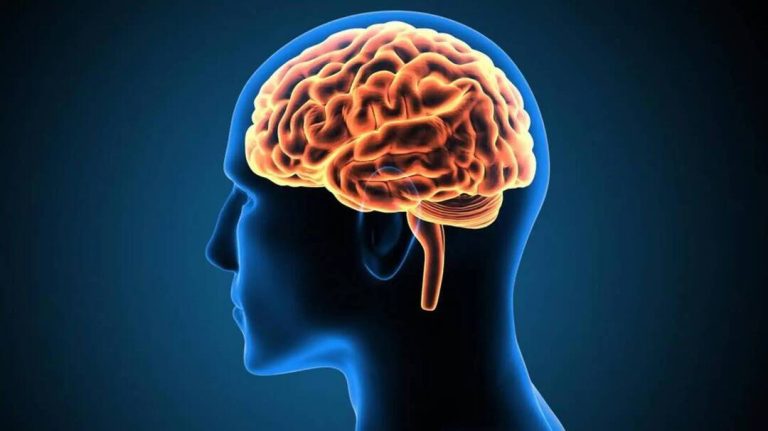
The hypothalamus is a critical region of the brain that regulates various physiological processes, including appetite, energy metabolism, and body temperature. It’s also involved in the regulation of stress response, emotional behavior, and cognitive function. Chronic inflammation in the hypothalamus has been linked to a range of neurological disorders, including Alzheimer’s disease, Parkinson’s disease, and depression.
The study’s findings suggest that weight loss in mid-life may have unintended consequences on the brain, particularly in terms of inflammation and potential damage to the hypothalamus. This could have significant implications for human health, particularly in the context of aging and neurodegenerative diseases.
One of the key concerns is that chronic inflammation in the hypothalamus may contribute to the development of memory problems and cognitive decline. Alzheimer’s disease, for example, is characterized by the accumulation of beta-amyloid plaques and tau tangles in the brain, which can lead to neuronal damage and death. Inflammation in the hypothalamus may exacerbate this process, leading to a faster decline in cognitive function.
Another concern is that weight loss in mid-life may affect the brain’s ability to regulate energy metabolism, leading to changes in appetite and food intake. This could have a negative impact on overall health, particularly if the weight loss is not sustainable or is achieved through unhealthy means, such as crash diets or excessive exercise.
It’s essential to note that this study was conducted on mice, and more research is needed to determine whether the findings apply to humans. However, the results do highlight the importance of considering the potential effects of weight loss on the brain, particularly during mid-life.
So, what can we take away from this study? Firstly, it’s crucial to approach weight loss in a healthy and sustainable manner, focusing on balanced diets and regular exercise rather than quick fixes or fad diets. Secondly, it’s essential to be aware of the potential risks associated with weight loss, particularly in mid-life, and to consult with healthcare professionals before embarking on any weight loss program.
Finally, the study highlights the need for further research into the effects of weight loss on the brain, particularly in the context of aging and neurodegenerative diseases. By better understanding the complex relationships between weight loss, inflammation, and brain health, we can develop more effective strategies for promoting healthy aging and reducing the risk of cognitive decline.
In conclusion, while weight loss is often seen as a positive outcome, this study reveals that it may have unintended consequences on the brain, particularly in terms of inflammation and potential damage to the hypothalamus. As we age, it’s essential to approach weight loss in a healthy and sustainable manner, and to be aware of the potential risks associated with it. By prioritizing brain health and taking a holistic approach to weight loss, we can reduce the risk of cognitive decline and promote healthy aging.
News source: https://pubmed.ncbi.nlm.nih.gov/41107567/
About the Author