Australia to end tariffs on all Indian exports from January: Goyal
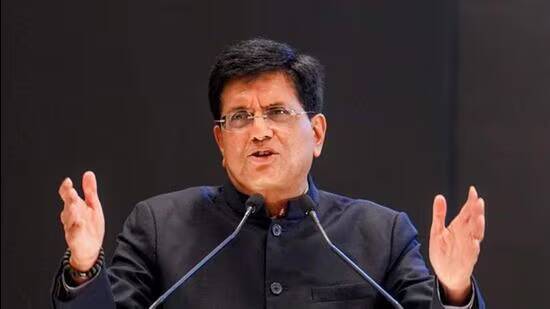
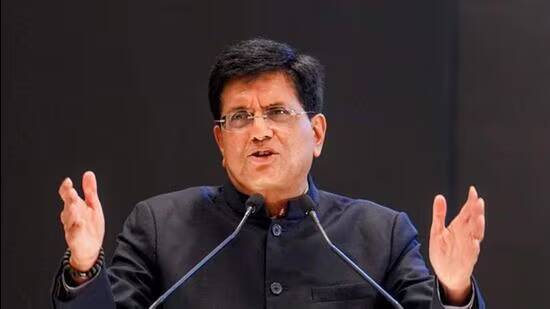
In a significant development that is expected to boost India’s exports, Commerce Minister Piyush Goyal announced that Australia will eliminate tariffs on all Indian exports starting January 1, 2026. This move is a part of the India-Australia Economic Cooperation and Trade Agreement (ECTA), which was signed three years ago. The agreement has been instrumental in promoting trade between the two nations, and the latest development is expected to further strengthen their economic ties.
Speaking on the third anniversary of the ECTA, Goyal stated that 100% of Australian tariff lines will be zero-duty for Indian exports. This means that Indian businesses will no longer have to pay tariffs on any of their exports to Australia, making their products more competitive in the Australian market. The move is expected to benefit a wide range of Indian industries, including textiles, pharmaceuticals, and agriculture.
Goyal highlighted the success of the ECTA, saying that it has delivered sustained export growth, deeper market access, and stronger supply-chain resilience. The agreement has been instrumental in increasing trade between the two nations, with India’s exports to Australia growing significantly since its implementation. The elimination of tariffs on all Indian exports is expected to further accelerate this growth, making India an even more important trading partner for Australia.
The ECTA is a comprehensive trade agreement that aims to promote economic cooperation and trade between India and Australia. The agreement covers a wide range of areas, including goods, services, and investment. It also includes provisions for the elimination of tariffs, reduction of non-tariff barriers, and the promotion of trade facilitation measures.
The elimination of tariffs on all Indian exports is a significant development, as it will make Indian products more competitive in the Australian market. Indian businesses will no longer have to pay tariffs on their exports, which will help to reduce their costs and increase their profitability. This, in turn, is expected to lead to an increase in exports, as Indian businesses will be able to offer their products at more competitive prices.
The move is also expected to benefit the Australian economy, as it will provide consumers with access to a wider range of products at competitive prices. The elimination of tariffs will also help to promote trade facilitation, as it will reduce the complexity and cost of trading between the two nations.
Goyal’s announcement has been welcomed by Indian businesses, which are expected to benefit significantly from the elimination of tariffs on their exports. The move is seen as a major boost to India’s export sector, which has been facing challenges in recent years due to the COVID-19 pandemic and other global economic trends.
The India-Australia ECTA is an example of the growing economic ties between the two nations. Australia is an important trading partner for India, and the two nations have been working to promote trade and investment between them. The ECTA is a key part of this effort, and the elimination of tariffs on all Indian exports is a significant step forward in this regard.
In conclusion, the announcement by Commerce Minister Piyush Goyal that Australia will eliminate tariffs on all Indian exports starting January 1, 2026, is a significant development that is expected to boost India’s exports. The move is a part of the India-Australia ECTA, which has been instrumental in promoting trade between the two nations. The elimination of tariffs will make Indian products more competitive in the Australian market, leading to an increase in exports and benefiting both the Indian and Australian economies.
The development is a testament to the growing economic ties between India and Australia, and it is expected to further strengthen their trade and investment relationship. As the two nations continue to work together to promote trade and investment, we can expect to see even more significant developments in the future.
About the Author