Study reveals what losing weight in mid-life may do to one’s brain
As we age, our bodies undergo a series of natural changes that can affect our overall health and wellbeing. One of the most significant changes that occur during mid-life is weight gain, which can increase the risk of developing chronic diseases such as diabetes, cardiovascular disease, and certain types of cancer. While losing weight is often touted as a solution to these problems, a recent study has revealed that weight loss in mid-life may have an unexpected impact on the brain.
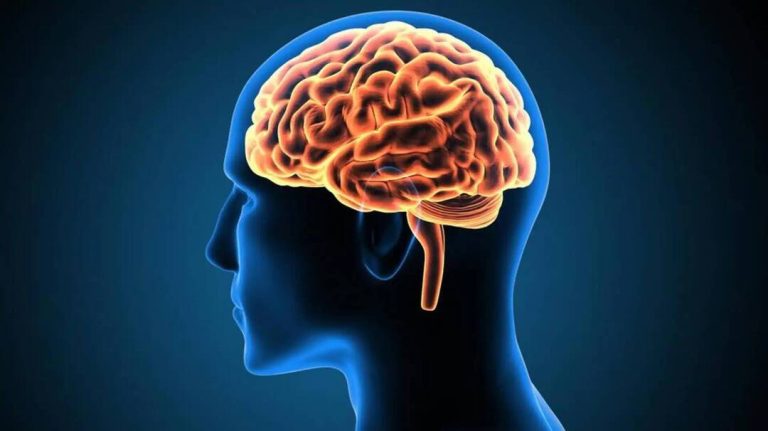
The study, which was conducted on middle-aged mice, found that weight loss caused increased inflammation in the hypothalamus, a part of the brain that plays a crucial role in regulating appetite and energy use. The inflammation persisted for weeks before gradually declining, sparking concerns about the potential long-term effects on brain health. In particular, the study’s findings suggest that weight loss in mid-life may increase the risk of memory problems and neurodegenerative conditions such as Alzheimer’s disease.
To understand the significance of these findings, it’s essential to delve deeper into the role of the hypothalamus in regulating our bodily functions. The hypothalamus is a small region located at the base of the brain, and it’s responsible for controlling a wide range of processes, including hunger, thirst, body temperature, and hormone balance. When we eat, the hypothalamus receives signals from the digestive system, which helps to regulate our appetite and energy use. However, when we lose weight, the hypothalamus can become confused, leading to changes in the way it regulates these processes.
In the study, the researchers found that weight loss in middle-aged mice caused a significant increase in inflammation in the hypothalamus. This inflammation was characterized by the activation of immune cells called microglia, which are responsible for fighting off infections and repairing damaged tissue. While microglia play a crucial role in maintaining brain health, chronic activation can lead to inflammation and damage to brain cells.
The study’s findings are concerning because they suggest that weight loss in mid-life may have a lasting impact on brain health. The inflammation caused by weight loss can persist for weeks, potentially leading to long-term changes in the way the brain regulates appetite and energy use. This can increase the risk of developing memory problems and neurodegenerative conditions such as Alzheimer’s disease, which are characterized by inflammation and damage to brain cells.
Furthermore, the study’s findings highlight the importance of considering the potential risks and benefits of weight loss in mid-life. While losing weight can have numerous health benefits, such as reducing the risk of chronic diseases, it’s essential to approach weight loss in a sustainable and healthy way. Crash diets and extreme calorie restriction can lead to rapid weight loss, but they can also cause inflammation and damage to the brain.
So, what can we learn from this study, and how can we apply its findings to our everyday lives? Firstly, it’s essential to approach weight loss in a sustainable and healthy way, focusing on gradual changes to our diet and exercise habits rather than relying on crash diets or extreme calorie restriction. Secondly, we should be aware of the potential risks and benefits of weight loss in mid-life, and take steps to minimize the risk of inflammation and damage to the brain.
In conclusion, the study’s findings highlight the complex relationship between weight loss, inflammation, and brain health. While losing weight can have numerous health benefits, it’s essential to approach weight loss in a sustainable and healthy way, considering the potential risks and benefits. By understanding the impact of weight loss on the brain, we can take steps to minimize the risk of memory problems and neurodegenerative conditions such as Alzheimer’s disease, and promote overall brain health and wellbeing.
News Source: https://pubmed.ncbi.nlm.nih.gov/41107567/
About the Author