Threat to Regional Stability: Somalia Prez on Israel Recognising Somaliland
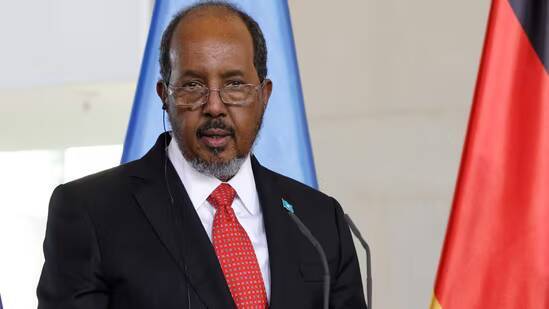
The recent move by Israel to recognize Somaliland as a sovereign state has sent shockwaves across the international community, with many countries and regional organizations expressing concern over the implications of this decision. At the forefront of this opposition is Somalia, which has long considered Somaliland to be a part of its territory. In a strongly worded statement, Somalia President Hassan Sheikh Mohamud condemned Israel’s recognition of Somaliland, calling it a “threat to security and stability of the world and the region.”
Speaking at an emergency parliamentary session, Mohamud emphasized that Israel’s decision was “tantamount to blunt aggression against the sovereignty, independence, territorial integrity, and the unity of the people of Somali Republic.” These words reflect the depth of feeling among Somalis, who see Somaliland as an integral part of their country. The Somali government has consistently maintained that Somaliland is not a separate entity and that any recognition of it as such is a violation of Somalia’s territorial integrity.
Israel’s decision to recognize Somaliland makes it the first country to do so. This move is significant, not just because of the geopolitical implications, but also because it sets a precedent for other countries to potentially follow suit. The international community has long been cautious in its approach to Somaliland, with most countries recognizing the sovereignty of the Somali government over the entire territory, including Somaliland. The African Union, in particular, has been adamant that Somaliland is part of Somalia and has encouraged negotiations between the two sides to resolve their differences peacefully.
The recognition of Somaliland by Israel has been met with widespread criticism, with many arguing that it undermines the fragile peace process in the region. Somalia and Somaliland have been engaged in on-again, off-again talks for years, with the aim of finding a lasting solution to their dispute. However, Israel’s decision has the potential to derail these efforts, as it provides Somaliland with a significant degree of international legitimacy, which could embolden it to take a harder line in negotiations.
Moreover, the recognition of Somaliland by Israel has raised concerns about the potential for other countries to recognize other breakaway regions around the world. This could lead to a proliferation of unilateral declarations of independence, which could have far-reaching consequences for global stability. The principle of sovereignty and territorial integrity is a cornerstone of international law, and any erosion of this principle could have significant implications for the international order.
The Somali government has vowed to take all necessary measures to protect its sovereignty and territorial integrity. In his address to the parliament, President Mohamud emphasized that Somalia would not stand idly by while its territory was being carved up by external powers. He called on the international community to respect Somalia’s sovereignty and to reject Israel’s recognition of Somaliland.
The international community is watching the situation closely, with many countries and regional organizations expressing concern over the implications of Israel’s decision. The United Nations has called for calm and restraint, urging all parties to engage in dialogue and to seek a peaceful resolution to their differences. The African Union has also weighed in, reiterating its commitment to the sovereignty and territorial integrity of Somalia.
In conclusion, the recognition of Somaliland by Israel is a highly controversial move that has significant implications for regional stability. The Somali government has condemned the decision, calling it a threat to the security and stability of the region. The international community is watching the situation closely, with many countries and regional organizations expressing concern over the potential consequences of this move. As the situation continues to unfold, it remains to be seen how the international community will respond to Israel’s decision and what the long-term implications will be for the region.
About the Author