AGI is not a race, no medals for 1st, 2nd, 3rd: Microsoft AI chief
The concept of Artificial General Intelligence (AGI) has been a topic of discussion and debate in the tech world for quite some time now. Many experts and researchers believe that AGI has the potential to revolutionize the way we live and work, and some even predict that it could surpass human intelligence in the near future. However, the journey to achieving AGI is not without its challenges, and some experts argue that it’s not a competition or a race to be won.
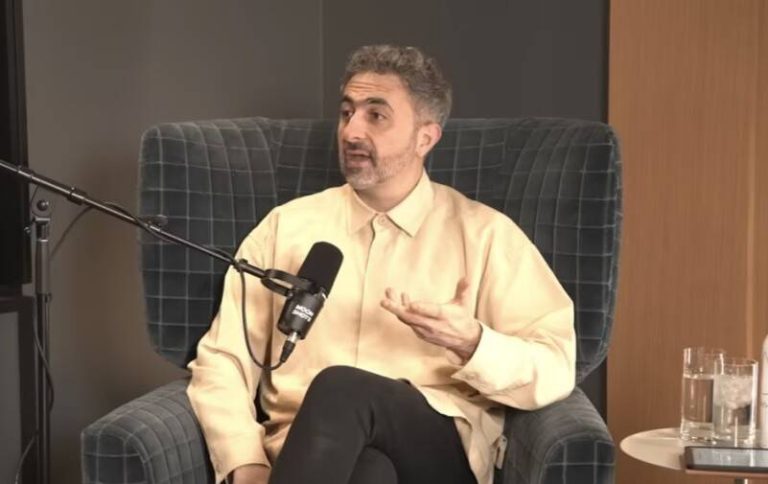
Recently, Microsoft AI chief Mustafa Suleyman dismissed the idea of AGI being a race, saying, “I don’t think there’s really a winning of AGI.” According to Suleyman, the concept of a race implies that there are winners and losers, with medals for the top three finishers, but not for those who come in fifth, sixth, or seventh. He believes that this metaphor is not quite right, as AGI is not a zero-sum game where one party’s gain must come at the expense of another.
Suleyman’s comments come at a time when the tech industry is abuzz with excitement about the potential of AGI. Many companies, including Google, Facebook, and Amazon, are investing heavily in AI research and development, with the goal of creating intelligent machines that can think and learn like humans. However, the journey to AGI is not an easy one, and it will require significant advances in fields such as machine learning, natural language processing, and computer vision.
One of the main challenges in achieving AGI is the need for a fundamental understanding of human intelligence and cognition. Despite decades of research, scientists still do not fully understand how the human brain works, or how to replicate its functions in a machine. Additionally, AGI will require the development of new algorithms and techniques that can enable machines to learn and adapt in complex, dynamic environments.
Another challenge in achieving AGI is the need for a massive amount of data and computational power. Training a machine to think and learn like a human will require vast amounts of data, including text, images, and videos, as well as powerful computers that can process and analyze this data quickly and efficiently. Currently, even the most advanced AI systems are limited by their ability to process and analyze large amounts of data, and significant advances will be needed to overcome this limitation.
Despite these challenges, many experts believe that AGI is inevitable, and that it will have a profound impact on society and the economy. Some predict that AGI will enable machines to perform tasks that are currently done by humans, such as driving cars, diagnosing diseases, and providing customer service. Others believe that AGI will enable machines to create new products and services that we cannot yet imagine, such as intelligent robots that can assist with household chores or autonomous vehicles that can transport people and goods.
However, not everyone is optimistic about the potential of AGI. Some experts warn that AGI could pose significant risks to humanity, such as the potential for machines to become uncontrollable or for AI systems to be used for malicious purposes. Others argue that AGI could exacerbate existing social and economic inequalities, such as the displacement of workers by machines or the concentration of wealth and power in the hands of a few individuals or companies.
In light of these challenges and risks, it’s refreshing to hear Suleyman’s comments about AGI not being a race. Rather than focusing on who will be the first to achieve AGI, or who will win the most medals, we should be working together to ensure that AGI is developed in a responsible and beneficial way. This will require collaboration and cooperation among researchers, policymakers, and industry leaders, as well as a commitment to transparency, accountability, and ethics.
Ultimately, the development of AGI has the potential to be a transformative moment in human history, one that could bring about significant benefits and improvements to our lives. However, it’s not a competition or a race to be won, but rather a journey that we should embark on together, with caution, humility, and a commitment to doing what is right.
About the Author