Threat to Regional Stability: Somalia Prez on Israel Recognising Somaliland
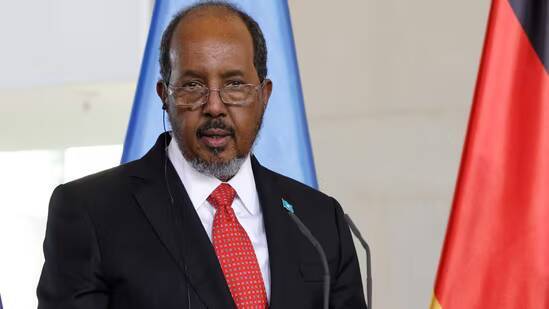
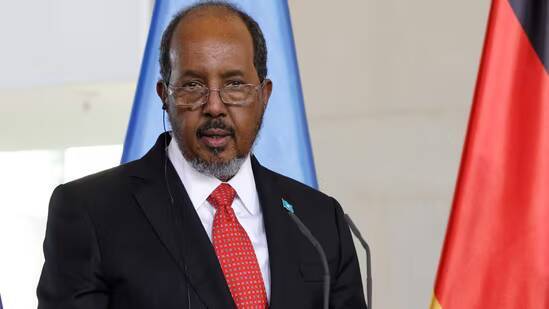
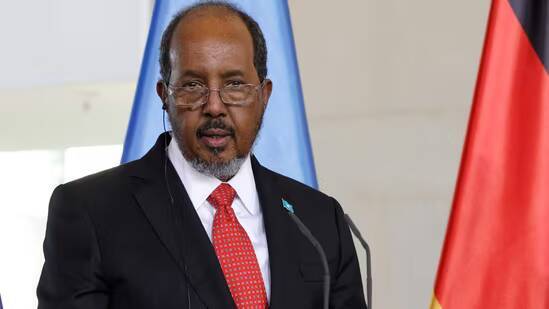
The recent move by Israel to recognize Somaliland as a sovereign state has sparked a wave of controversy and concern in the international community. Somalia President Hassan Sheikh Mohamud has strongly condemned the move, terming it a “threat to security and stability of the world and the region.” In an emergency parliamentary session, Mohamud expressed his deep reservations about the implications of Israel’s recognition of Somaliland, stating that it is “tantamount to blunt aggression against the sovereignty, independence, territorial integrity, and the unity of the people of Somali Republic.”
This development has significant implications for regional stability, and it is essential to understand the context and potential consequences of Israel’s decision. Somaliland, a self-declared state in East Africa, has been seeking international recognition for decades. Despite its declaration of independence in 1991, Somaliland has not been recognized as a sovereign state by the international community, including the United Nations. The African Union and the Arab League have also not recognized Somaliland, citing concerns about the potential fragmentation of Somalia and the region.
Israel’s decision to recognize Somaliland is a significant departure from the international consensus. As the first country to extend recognition to Somaliland, Israel has sparked a debate about the legitimacy and implications of its move. While Somaliland has welcomed Israel’s recognition, Somalia has vehemently opposed it, viewing it as an attack on its sovereignty and territorial integrity.
The Somali government has long considered Somaliland to be an integral part of its territory, and the recognition of Somaliland by Israel is seen as a challenge to this claim. President Mohamud’s strong statement reflects the deep-seated concerns of the Somali government about the potential consequences of Israel’s move. The recognition of Somaliland could embolden other separatist movements in the region, potentially leading to further instability and conflict.
The regional implications of Israel’s decision are far-reaching. The Horn of Africa is already a volatile region, with several countries facing significant security challenges. The recognition of Somaliland could exacerbate these challenges, potentially leading to a destabilization of the region. The African Union and the Arab League have already expressed concerns about the potential consequences of Israel’s move, and it is likely that other countries in the region will follow suit.
The international community has a critical role to play in addressing the concerns surrounding Israel’s recognition of Somaliland. The United Nations and other international organizations must engage with the parties involved to find a peaceful and sustainable solution to the crisis. This could involve facilitating dialogue between Somalia and Somaliland, as well as encouraging other countries to exercise caution in their dealings with the region.
In the meantime, Israel’s decision to recognize Somaliland has significant implications for its relationships with other countries in the region. The move is likely to be viewed with skepticism by many countries, particularly those that have traditionally supported the Somali government’s claim to Somaliland. Israel’s decision may also damage its relationships with the African Union and the Arab League, which have long been critical of its policies in the region.
In conclusion, the recognition of Somaliland by Israel poses a significant threat to regional stability. The move has been strongly condemned by the Somali government, which views it as an attack on its sovereignty and territorial integrity. The international community must engage with the parties involved to find a peaceful and sustainable solution to the crisis. As the situation continues to unfold, it is essential to monitor developments closely and to encourage all parties to exercise restraint and caution.
The recognition of Somaliland by Israel is a complex issue, with significant implications for regional stability. As the first country to recognize Somaliland, Israel has sparked a debate about the legitimacy and implications of its move. While Somaliland has welcomed Israel’s recognition, Somalia has vehemently opposed it, viewing it as an attack on its sovereignty and territorial integrity. The international community must navigate this complex issue with care, engaging with the parties involved to find a peaceful and sustainable solution to the crisis.
As the situation continues to evolve, it is essential to consider the potential consequences of Israel’s decision. The recognition of Somaliland could embolden other separatist movements in the region, potentially leading to further instability and conflict. The African Union and the Arab League have already expressed concerns about the potential consequences of Israel’s move, and it is likely that other countries in the region will follow suit.
In the face of these challenges, it is essential to prioritize diplomacy and dialogue. The international community must engage with the parties involved to find a peaceful and sustainable solution to the crisis. This could involve facilitating dialogue between Somalia and Somaliland, as well as encouraging other countries to exercise caution in their dealings with the region.
Ultimately, the recognition of Somaliland by Israel poses a significant challenge to regional stability. The move has been strongly condemned by the Somali government, and it is likely to have far-reaching implications for the region. As the situation continues to unfold, it is essential to monitor developments closely and to encourage all parties to exercise restraint and caution.
About the Author