NASA announces plans to build Moon base; Musk says it’s awesome
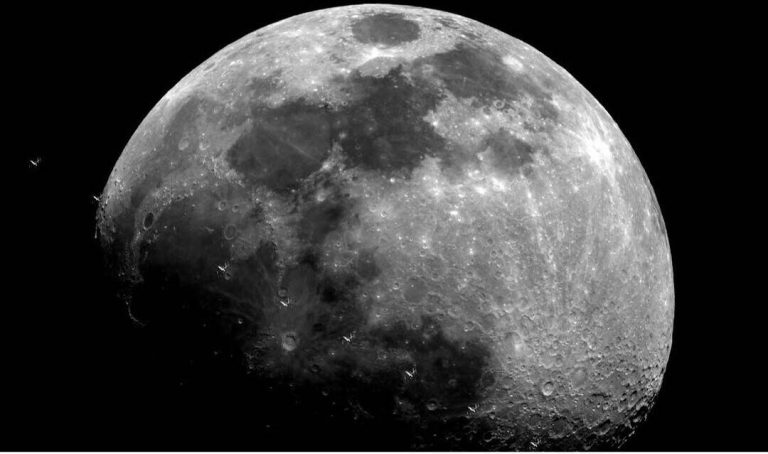
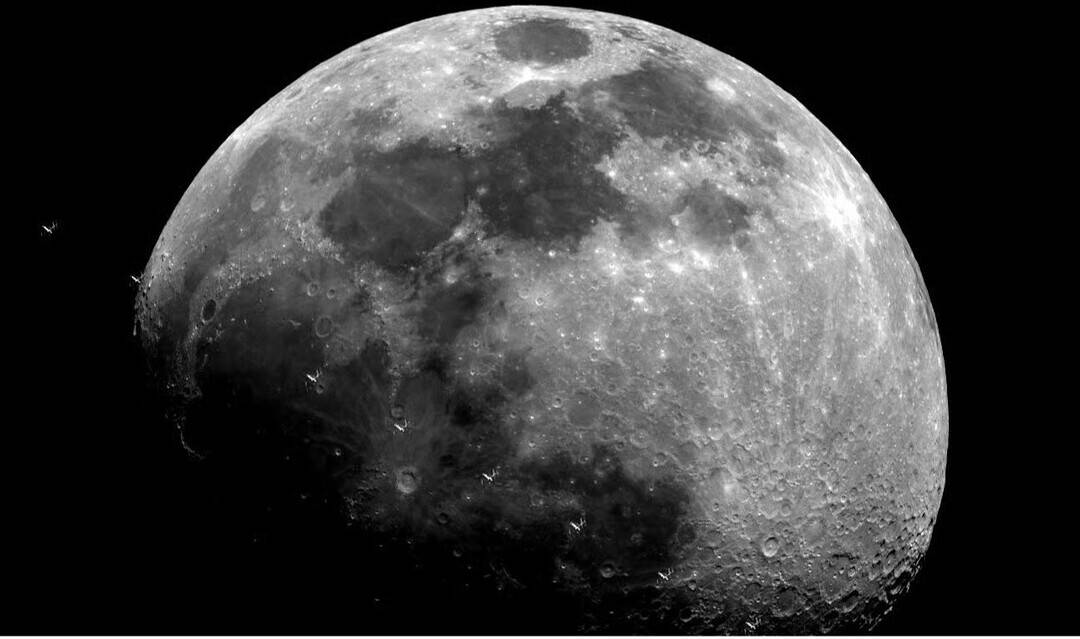
In a significant development, NASA has announced plans to build a base on the Moon, with Administrator Jared Isaacman confirming the news while replying to a post on how the agency would maintain an enduring lunar presence. The announcement has sent shockwaves of excitement throughout the space community, with billionaire Elon Musk terming the news “awesome.” Musk’s company SpaceX is expected to play a crucial role in the project, as it is currently building the Starship rocket for NASA, designed for crewed missions to land astronauts on the Moon.
The idea of building a Moon base has been a topic of discussion for several years now, with NASA and other space agencies around the world exploring the possibility of establishing a human settlement on the lunar surface. The benefits of such a base are numerous, ranging from providing a strategic location for scientific research and exploration to serving as a stepping stone for deeper space missions. A Moon base could also potentially provide a safe haven for astronauts in case of an emergency, and could even serve as a hub for commercial activities such as lunar mining and tourism.
According to NASA, the Moon base will be designed to be a sustainable and self-sufficient facility, capable of supporting long-term human presence on the lunar surface. The agency plans to use the base as a hub for scientific research, exploration, and development, with a focus on advancing our understanding of the Moon and its resources. The base will also serve as a testing ground for technologies and strategies that will be used in future missions to Mars and beyond.
Elon Musk, who has been a long-time proponent of space exploration and development, was quick to express his excitement about the announcement. “Awesome!” he tweeted in response to the news, highlighting the significance of the project and its potential to drive innovation and progress in the space industry. Musk’s company SpaceX has been working closely with NASA on the Starship program, which aims to develop a reusable spacecraft capable of taking both people and cargo to the Moon, Mars, and other destinations in the solar system.
The Starship rocket is a key component of NASA’s plans to return humans to the Moon by 2024, and the agency has already awarded SpaceX a contract to build the spacecraft. The Starship is designed to be a versatile and reusable vehicle, capable of carrying out a wide range of missions, from lunar landings to deep space exploration. With its advanced technology and capabilities, the Starship is expected to play a crucial role in establishing a sustainable human presence on the Moon and beyond.
The announcement of the Moon base has also sparked a lot of interest and excitement among space enthusiasts and the general public. Many people are eager to learn more about the project and its potential implications for the future of space exploration. As NASA and its partners move forward with the project, it will be interesting to see how the plans unfold and what kind of progress is made.
One of the key challenges that NASA will face in building the Moon base is the harsh and unforgiving environment of the lunar surface. The Moon has no atmosphere, extreme temperatures, and intense radiation, making it a difficult place for humans to survive for extended periods. The agency will need to develop specialized technologies and strategies to mitigate these risks and ensure the safety and well-being of the astronauts who will be living and working on the base.
Another challenge that NASA will face is the cost and complexity of the project. Building a Moon base will require significant investment and resources, and will likely involve a large team of scientists, engineers, and technicians working together to design, build, and operate the facility. The agency will need to carefully plan and manage the project to ensure that it is completed on time, within budget, and to the required standards.
Despite these challenges, the potential benefits of a Moon base are significant, and NASA is confident that the project will be a success. The agency has a long history of achieving great things in space, from landing astronauts on the Moon to operating the International Space Station. With the right planning, resources, and expertise, there is no reason why NASA cannot establish a sustainable and self-sufficient human presence on the lunar surface.
In conclusion, NASA’s announcement of plans to build a Moon base is a significant development that has the potential to drive innovation and progress in the space industry. With the support of partners such as SpaceX and the enthusiasm of space enthusiasts around the world, the project is likely to be a success. As we look to the future of space exploration, it is exciting to think about the possibilities that a Moon base could offer, from scientific research and development to commercial activities and beyond.
About the Author