Threat to Regional Stability: Somalia Prez on Israel Recognising Somaliland
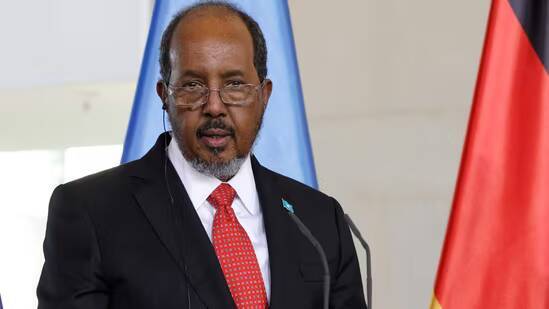
The recent decision by Israel to recognize Somaliland as a sovereign state has sent shockwaves across the international community, with many countries and organizations expressing concerns over the potential implications of this move. At the forefront of these concerns is Somalia, which has long considered Somaliland to be a part of its territory. Somalia’s President, Hassan Sheikh Mohamud, has been vocal in his opposition to Israel’s recognition of Somaliland, and has warned that it poses a significant threat to regional stability.
In an emergency parliamentary session, President Mohamud stated that Israel’s recognition of Somaliland “is a threat to security and stability of the world and the region.” He further emphasized that this move is “tantamount to blunt aggression against the sovereignty, independence, territorial integrity, and the unity of the people of Somali Republic.” These strong words reflect the deep-seated concerns that Somalia has about the potential consequences of Israel’s decision.
Israel’s recognition of Somaliland is a significant development, as it is the first country to do so. Somaliland has been seeking international recognition as a sovereign state since it declared independence from Somalia in 1991. However, this move has been met with resistance from Somalia, which considers Somaliland to be a part of its territory. The international community has also been cautious in its approach, with many countries and organizations recognizing the complex and sensitive nature of the issue.
The implications of Israel’s recognition of Somaliland are far-reaching and complex. On one hand, it could be seen as a positive development for Somaliland, which has been seeking international recognition for decades. However, it also has the potential to destabilize the region, particularly in light of Somalia’s strong opposition to the move. The Somali government has long considered Somaliland to be a part of its territory, and Israel’s recognition of Somaliland could be seen as a challenge to Somalia’s sovereignty and territorial integrity.
The regional implications of Israel’s decision are also significant. The Horn of Africa is a volatile and sensitive region, with many countries and organizations vying for influence and power. The recognition of Somaliland by Israel could be seen as a move to expand its influence in the region, and could potentially destabilize the delicate balance of power. Furthermore, it could also have implications for other countries in the region, such as Ethiopia and Eritrea, which have their own complex relationships with Somalia and Somaliland.
In addition to the regional implications, Israel’s recognition of Somaliland also raises questions about the role of international law and diplomacy in resolving complex conflicts. The international community has long recognized the importance of respecting the sovereignty and territorial integrity of states, and Israel’s decision to recognize Somaliland could be seen as a challenge to these principles. It also raises questions about the role of the African Union and other regional organizations in resolving conflicts and promoting stability in the region.
The reaction from the international community has been mixed, with some countries and organizations expressing concerns about the potential implications of Israel’s decision. The African Union, for example, has long recognized Somalia’s sovereignty over Somaliland, and has called for a peaceful resolution to the conflict. The United Nations has also expressed concerns about the potential implications of Israel’s decision, and has urged all parties to exercise restraint and to respect the sovereignty and territorial integrity of states.
In conclusion, the recognition of Somaliland by Israel is a complex and sensitive issue, with significant implications for regional stability and international law. While it could be seen as a positive development for Somaliland, it also has the potential to destabilize the region and challenge the sovereignty and territorial integrity of Somalia. As the international community navigates this complex issue, it is essential that all parties exercise restraint and respect the principles of international law and diplomacy.
The situation is being closely watched by the international community, and it remains to be seen how it will unfold in the coming days and weeks. One thing is certain, however: the recognition of Somaliland by Israel has the potential to have far-reaching and significant implications for regional stability and international relations.
As the Somali President, Hassan Sheikh Mohamud, emphasized, Israel’s recognition of Somaliland is a threat to regional stability and security. It is essential that the international community takes a careful and considered approach to this issue, and works to promote peace, stability, and respect for international law and diplomacy.
About the Author