China expels 3 top military officials amid anti-corruption drive
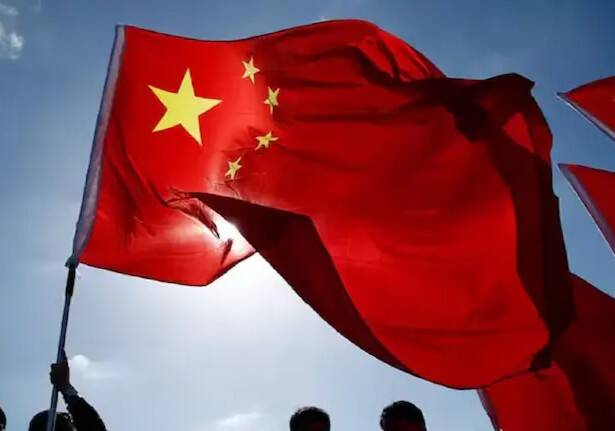
In a significant move, China’s Standing Committee of the National People’s Congress has formally expelled three senior military officials as part of the country’s ongoing anti-corruption drive. The decision to remove these high-ranking officials from their positions is a clear indication of the Chinese government’s commitment to rooting out corruption and ensuring the integrity of its military institutions.
The three officials who have been expelled are Wang Renhua, the head of the Central Military Commission’s (CMC) political and legal affairs committee; Zhang Hongbing, the political commissar of the People’s Armed Police; and Wang Peng, the director of the CMC’s training department. These individuals held significant positions of power and influence within the Chinese military, and their removal is a major development in the country’s efforts to combat corruption.
The expulsions are part of a broader campaign launched by Chinese President Xi Jinping to eliminate corruption and misconduct within the military and government. Since coming to power in 2013, Xi has made anti-corruption a top priority, and his efforts have led to the downfall of numerous high-ranking officials, including several top military officers.
The removal of Wang Renhua, Zhang Hongbing, and Wang Peng is particularly notable, as they were all members of the Chinese military’s top leadership. Wang Renhua, as head of the CMC’s political and legal affairs committee, was responsible for overseeing the military’s legal and disciplinary affairs. Zhang Hongbing, as political commissar of the People’s Armed Police, played a key role in maintaining the stability and loyalty of the paramilitary force. Wang Peng, as director of the CMC’s training department, was in charge of the military’s training and education programs.
The expulsions of these officials are likely the result of investigations into their activities, which may have uncovered evidence of corruption, abuse of power, or other forms of misconduct. The Chinese government has not released specific details about the allegations against the three officials, but it is clear that their removal is intended to send a strong message about the government’s commitment to fighting corruption.
The anti-corruption drive in China has been ongoing for several years, and it has already led to the downfall of numerous high-ranking officials. In 2015, Xi launched a major campaign to root out corruption within the military, which led to the expulsion of several top officers, including former CMC vice chairman Xu Caihou and former CMC vice chairman Guo Boxiong. Both Xu and Guo were accused of corruption and abuse of power, and they were subsequently expelled from the Communist Party and stripped of their military ranks.
The latest expulsions are a continuation of this effort, and they demonstrate the Chinese government’s ongoing commitment to combating corruption and ensuring the integrity of its military institutions. The move is also likely to be seen as a way for Xi to consolidate his power and maintain control over the military, which is a key pillar of the Chinese state.
The implications of the expulsions are significant, both for China and for the wider region. The move is likely to be seen as a positive development by many observers, as it suggests that the Chinese government is serious about addressing corruption and ensuring the accountability of its military leaders. However, it also raises concerns about the stability and continuity of the Chinese military, as the removal of high-ranking officials can create uncertainty and disrupt the chain of command.
In addition, the expulsions may have implications for China’s relationships with other countries, particularly in the region. The Chinese military plays a significant role in regional security affairs, and the removal of top officials could create uncertainty and raise concerns among China’s neighbors. However, it is also possible that the move could be seen as a positive development by some countries, as it suggests that China is committed to addressing corruption and ensuring the integrity of its military institutions.
In conclusion, the expulsion of three top military officials in China is a significant development in the country’s ongoing anti-corruption drive. The removal of Wang Renhua, Zhang Hongbing, and Wang Peng is a clear indication of the Chinese government’s commitment to rooting out corruption and ensuring the integrity of its military institutions. The move is likely to be seen as a positive development by many observers, but it also raises concerns about the stability and continuity of the Chinese military. As the Chinese government continues to pursue its anti-corruption campaign, it will be important to watch for further developments and to assess the implications of this move for China and the wider region.
About the Author