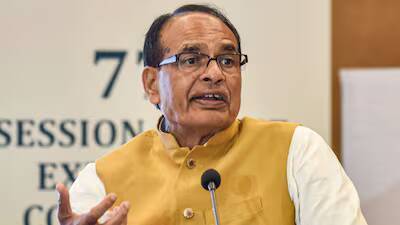
Crocodile tears: Shivraj on Congress’ ‘MGNREGA Bachao’ protest
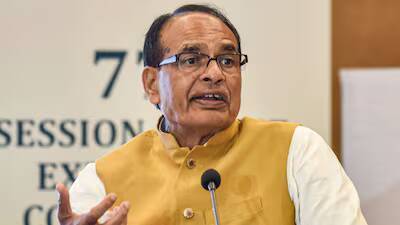
The recent announcement of the replacement of the Mahatma Gandhi National Rural Employment Guarantee Act (MGNREGA) with the Vishwakarma Bharat-Rural Asset Management (VB-G RAM G) Act has sparked a heated debate in the country. The Congress party has been vocal in its criticism of the move, vowing to launch a nationwide protest, ‘MGNREGA Bachao’, from January 5. However, Union Minister Shivraj Singh Chouhan has accused the Congress of shedding “crocodile tears” over the issue, stating that their clamour is purely political.
According to Chouhan, the Congress party’s criticism of the MGNREGA revamp is nothing but a political stunt. He pointed out that the Congress, during its tenure, had consistently reduced the budget for MGNREGA, which raises questions about their sincerity in fighting for the rights of the rural workforce. “The Congress’s clamour is purely political…This is the same Congress that, from time to time, reduced the budget for MGNREGA,” he said.
The MGNREGA, launched in 2006, was a flagship program of the UPA government, aimed at providing a guarantee of 100 days of employment to rural laborers. The scheme was designed to provide a safety net for the rural poor, ensuring that they had a minimum level of economic security. However, over the years, the program has faced several challenges, including delays in payment, corruption, and inadequate funding.
The replacement of MGNREGA with the VB-G RAM G Act has been touted as a move to streamline the existing program, making it more efficient and effective. The new act aims to provide a more comprehensive framework for rural employment, focusing on asset creation and skill development. However, the Congress party has expressed concerns that the new act will undermine the guaranteed employment aspect of the MGNREGA, leaving rural laborers vulnerable to exploitation.
The ‘MGNREGA Bachao’ protest, announced by the Congress party, is seen as an attempt to mobilize public opinion against the government’s decision. The party has accused the government of trying to dismantle the social security net provided by the MGNREGA, which has been a lifeline for millions of rural laborers. However, Chouhan’s remarks suggest that the government is not convinced by the Congress party’s concerns, and sees their protests as a mere political gimmick.
The debate surrounding the MGNREGA revamp has highlighted the complexities of rural employment and the challenges faced by the rural workforce. While the government claims that the new act will provide better opportunities for rural laborers, the opposition parties have expressed concerns about the potential consequences of dismantling a program that has been in place for over a decade.
As the ‘MGNREGA Bachao’ protest gains momentum, it remains to be seen how the government will respond to the opposition’s concerns. The issue has sparked a heated debate, with both sides presenting their arguments and counter-arguments. However, one thing is clear – the fate of the MGNREGA and the future of rural employment in India hang in the balance.
The MGNREGA has been a crucial program for rural development, providing employment opportunities to millions of laborers across the country. However, the program has faced several challenges, including corruption, delays in payment, and inadequate funding. The replacement of MGNREGA with the VB-G RAM G Act is seen as an attempt to address these challenges, but the opposition parties have expressed concerns that the new act will undermine the guaranteed employment aspect of the program.
As the country moves forward, it is essential to ensure that the rights of rural laborers are protected, and that they have access to employment opportunities that can help them improve their livelihoods. The debate surrounding the MGNREGA revamp is a critical one, and it is essential to have a nuanced discussion about the pros and cons of the new act.
In conclusion, the ‘MGNREGA Bachao’ protest has highlighted the complexities of rural employment and the challenges faced by the rural workforce. While the government claims that the new act will provide better opportunities for rural laborers, the opposition parties have expressed concerns about the potential consequences of dismantling a program that has been in place for over a decade. As the debate continues, it is essential to ensure that the rights of rural laborers are protected, and that they have access to employment opportunities that can help them improve their livelihoods.
About the Author