Warren Buffett calls Berkshire Hathaway his ‘dumbest’ investment
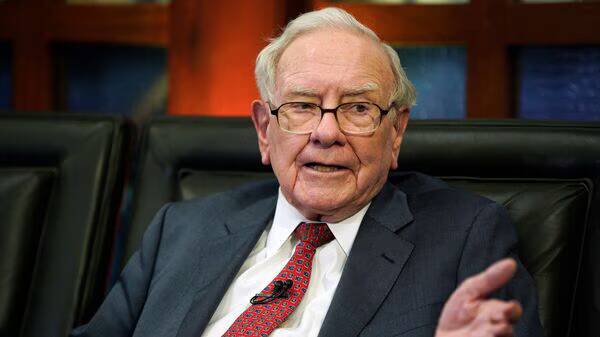
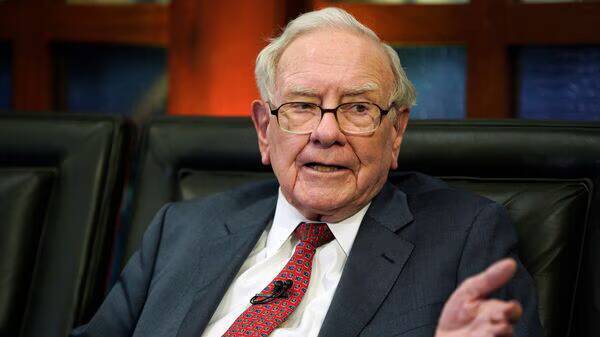
Warren Buffett, the renowned Chairman and CEO of Berkshire Hathaway, has made a startling revelation about his investment in the company. In a surprising admission, Buffett has referred to Berkshire Hathaway as his “dumbest” investment, citing the company’s struggling textile business at the time of his initial purchase. This statement may come as a shock to many, given Berkshire Hathaway’s current status as a multinational conglomerate with a diverse portfolio of successful businesses.
Buffett’s journey with Berkshire Hathaway began in 1962, when he first purchased shares in the company. At that time, Berkshire Hathaway was a struggling textile manufacturer, and Buffett’s investment was motivated by the potential for profit. However, as the company’s fortunes continued to decline, Buffett took control of Berkshire Hathaway in 1965, with the aim of turning the business around. Despite his best efforts, the textile business continued to struggle, and it wasn’t until later that Buffett was able to transform the company into the successful conglomerate it is today.
Buffett’s decision to take control of Berkshire Hathaway was a pivotal moment in the company’s history. At the time, the textile industry was facing significant challenges, including increased competition from foreign manufacturers and declining demand for traditional textiles. Despite these challenges, Buffett was determined to make the business work, and he spent several years trying to revive the company’s fortunes. However, it eventually became clear that the textile business was not viable, and Buffett was forced to look for alternative ways to utilize the company’s resources.
One of the key factors that contributed to Berkshire Hathaway’s success was Buffett’s decision to diversify the company’s portfolio. Rather than relying solely on the textile business, Buffett began to invest in other industries, including insurance, retail, and manufacturing. This diversification strategy allowed Berkshire Hathaway to reduce its dependence on a single industry and to capitalize on new opportunities for growth. Today, the company’s portfolio includes a wide range of businesses, from Geico insurance to See’s Candies, and from BNSF railroad to Coca-Cola.
Buffett’s investment philosophy has been a key factor in Berkshire Hathaway’s success. He is known for his value investing approach, which involves seeking out undervalued companies with strong fundamentals and long-term growth potential. This approach has allowed Berkshire Hathaway to make a number of highly successful investments over the years, including its investments in Coca-Cola, American Express, and Wells Fargo. Buffett’s philosophy is centered on the idea of buying quality companies at a discount and holding them for the long term, rather than trying to time the market or make quick profits.
As Buffett prepares to step down as CEO of Berkshire Hathaway at the end of the year, he will be succeeded by Greg Abel, a veteran executive who has been with the company for many years. Abel has a deep understanding of Berkshire Hathaway’s businesses and culture, and he is well-positioned to lead the company into its next phase of growth. Under Abel’s leadership, Berkshire Hathaway is likely to continue its tradition of value investing and long-term thinking, and the company is expected to remain a major player in the global business landscape.
In conclusion, Warren Buffett’s admission that Berkshire Hathaway was his “dumbest” investment is a testament to the challenges and uncertainties of the business world. Despite the company’s struggling textile business at the time of his initial purchase, Buffett was able to transform Berkshire Hathaway into a successful conglomerate through his vision, leadership, and investment philosophy. As the company looks to the future under Greg Abel’s leadership, it is likely to continue its tradition of success and remain a major player in the global business landscape.
The story of Berkshire Hathaway’s transformation is a fascinating one, and it serves as a reminder that even the most successful investors and businessmen can make mistakes. However, it is how they respond to those mistakes that ultimately determines their success. In the case of Warren Buffett and Berkshire Hathaway, the decision to take control of the company and diversify its portfolio was a pivotal moment in its history, and it laid the foundation for the company’s future success.
As we look to the future, it will be interesting to see how Berkshire Hathaway continues to evolve and grow under Greg Abel’s leadership. Will the company continue to make successful investments and expand its portfolio, or will it face new challenges and uncertainties? Only time will tell, but one thing is certain: Berkshire Hathaway’s legacy as a successful and enduring business will continue to be felt for generations to come.
News Source: https://www.newsbytesapp.com/news/business/what-warren-buffett-thinks-about-investing-in-berkshire-hathaway/story
About the Author