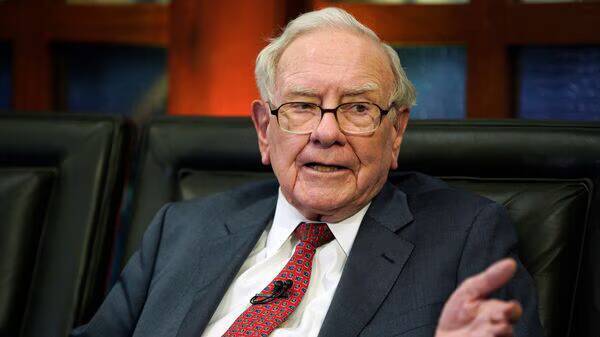
Warren Buffett calls Berkshire Hathaway his ‘dumbest’ investment
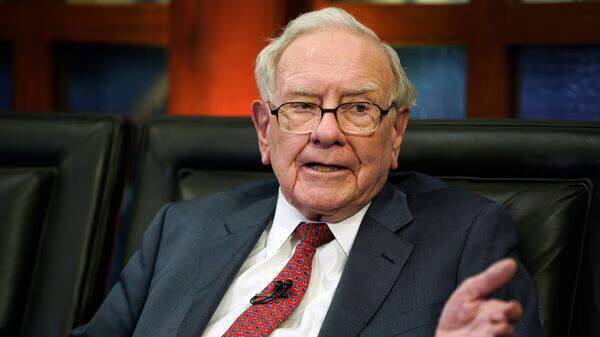
Warren Buffett, one of the most successful investors in history, has made a surprising revelation about his investment in Berkshire Hathaway, the conglomerate he has led for over five decades. In a recent statement, Buffett referred to Berkshire Hathaway as his “dumbest” investment, citing the company’s struggles as a textile manufacturer when he first purchased shares in 1962. At the time, Buffett was expecting a quick profit, but he eventually took control of the company in 1965 and spent years trying to turn its fortunes around.
To understand the context of Buffett’s statement, it’s essential to delve into the history of Berkshire Hathaway and its transformation under his leadership. Berkshire Hathaway was originally a textile mill that had been in operation since the 19th century. However, by the 1960s, the textile industry was facing significant challenges, including increased competition from foreign manufacturers and rising labor costs. Despite these challenges, Buffett saw an opportunity to make a profit by purchasing shares in the company at a low price and selling them when the stock price rose.
Initially, Buffett’s plan seemed to be working. He purchased his first shares of Berkshire Hathaway in 1962 at a price of around $7.50 per share. However, as the company’s financial situation continued to deteriorate, the stock price began to fall. Instead of selling his shares and cutting his losses, Buffett decided to take a more active role in the company. In 1965, he took control of Berkshire Hathaway, becoming its chairman and CEO.
At the time, Buffett’s decision to take control of Berkshire Hathaway was seen as a bold move. The company was struggling to stay afloat, and many investors had written it off as a lost cause. However, Buffett saw an opportunity to use Berkshire Hathaway as a vehicle for his investment portfolio. He began to use the company’s cash flow to invest in other businesses, including insurance companies, retail stores, and manufacturing firms.
Over time, Buffett’s strategy proved to be highly successful. Berkshire Hathaway’s stock price began to rise, and the company became one of the most successful conglomerates in the world. Today, Berkshire Hathaway has a market capitalization of over $500 billion and owns a diverse portfolio of businesses, including Geico insurance, Coca-Cola, and Wells Fargo.
Despite the company’s success, Buffett has always been candid about the challenges he faced in the early years. In his annual letters to shareholders, he has often referred to the difficulties of turning around a struggling business. However, he has also emphasized the importance of perseverance and adaptability in investing.
Buffett’s statement about Berkshire Hathaway being his “dumbest” investment is a testament to his willingness to learn from his mistakes. By acknowledging the challenges he faced in the early years, he is highlighting the importance of humility and flexibility in investing. As he prepares to step down as CEO of Berkshire Hathaway at the end of the year, Buffett is leaving behind a legacy of success and a company that is well-positioned for the future.
Greg Abel, who will take over as CEO of Berkshire Hathaway, has been groomed by Buffett to lead the company. Abel has been a key member of Berkshire Hathaway’s management team for many years and has a deep understanding of the company’s operations and culture. Under his leadership, Berkshire Hathaway is likely to continue its tradition of success and innovation.
In conclusion, Warren Buffett’s statement about Berkshire Hathaway being his “dumbest” investment is a reminder that even the most successful investors can make mistakes. However, it’s how they learn from those mistakes that matters. By taking control of Berkshire Hathaway and using it as a vehicle for his investment portfolio, Buffett was able to turn a struggling business into one of the most successful companies in the world. As he passes the torch to Greg Abel, Berkshire Hathaway is well-positioned for continued success in the years to come.
About the Author