Sivaji appears before T’gana Women’s body over remark on actresses
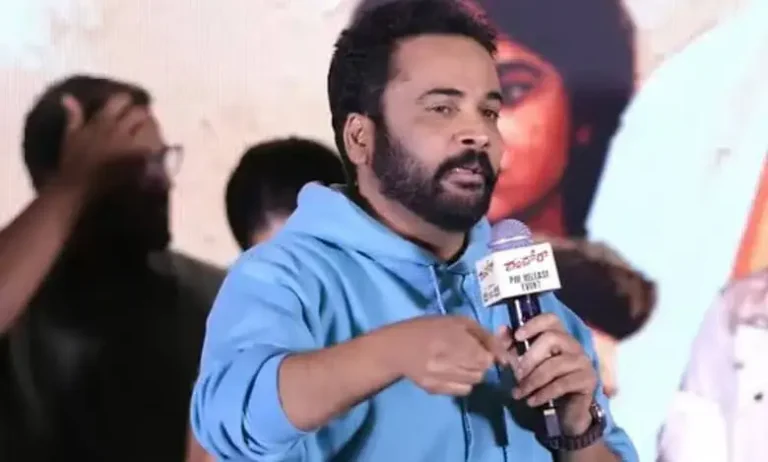
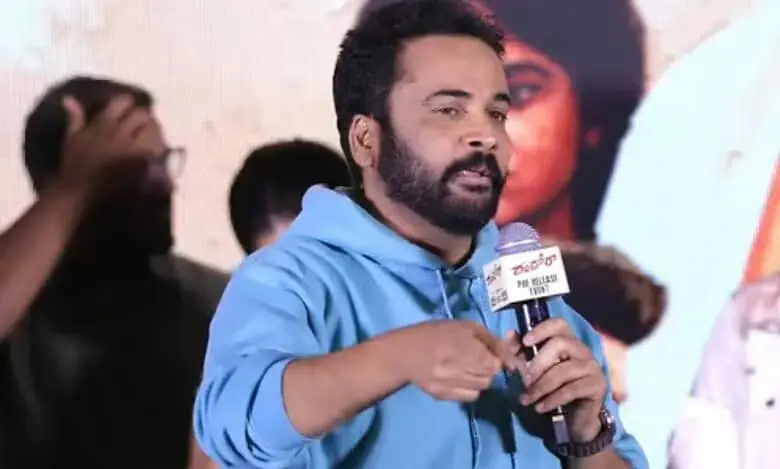
The world of Indian cinema has been abuzz with controversy in recent times, with several high-profile cases of celebrities making insensitive and inappropriate comments about their colleagues and women in general. One such incident involved Telugu actor Sivaji, who found himself in the midst of a storm after making some ill-advised remarks about actresses at a film event. The comments sparked widespread outrage, with many calling for the actor to be held accountable for his words.
In response to the furore, the Telangana State Commission for Women stepped in, summoning Sivaji to appear before them for an inquiry into the matter. The actor, realizing the gravity of the situation, obliged and presented himself before the commission. During the inquiry, he was given the opportunity to explain his actions and provide a justification for his comments.
However, instead of trying to justify or downplay his remarks, Sivaji took a more conciliatory approach. He tendered an apology for his actions, acknowledging that his comments were indeed inappropriate and hurtful. In a statement, he said that he was “withdrawing his comments in their entirety” and assured the commission that he would henceforth speak about and behave towards women with dignity and respect.
This apology is significant, as it marks a rare instance of a celebrity taking responsibility for their actions and acknowledging the harm caused by their words. In an industry where stars often wield immense power and influence, it is not uncommon for them to try to brush off criticism or shift the blame onto others. Sivaji’s decision to own up to his mistake and apologize for it is a welcome change from this trend.
The incident also highlights the importance of holding public figures accountable for their actions. The Telangana State Commission for Women’s decision to summon Sivaji for an inquiry sends a strong message that such behavior will not be tolerated and that those who engage in it will be called out. This is especially crucial in a society where women often face discrimination and marginalization, and where their voices are frequently silenced or ignored.
The impact of Sivaji’s comments on the actresses he targeted cannot be overstated. Women in the entertainment industry already face numerous challenges, from sexism and harassment to unequal pay and limited opportunities. When a prominent figure like Sivaji makes derogatory comments about them, it can be damaging not just to their self-esteem but also to their careers. By apologizing and acknowledging the harm caused by his words, Sivaji has taken a crucial step towards making amends and ensuring that such incidents do not recur in the future.
The inquiry and subsequent apology also raise important questions about the culture of misogyny and sexism that pervades the Indian entertainment industry. For too long, women have been objectified and marginalized, with their bodies and appearances being subjected to scrutiny and criticism. The fact that Sivaji felt emboldened to make such comments in the first place suggests that there is a deeper problem at play, one that requires a fundamental shift in attitudes and behaviors.
As the Indian film industry continues to evolve and grow, it is essential that it also becomes more inclusive and respectful of women. This requires a concerted effort from all stakeholders, including actors, directors, producers, and fans. By promoting a culture of respect and empathy, we can create a more equitable and just environment for women to thrive in.
In conclusion, Sivaji’s appearance before the Telangana State Commission for Women and his subsequent apology are a positive step towards addressing the issue of misogyny and sexism in the Indian entertainment industry. While there is still much work to be done, this incident highlights the importance of holding public figures accountable for their actions and promoting a culture of respect and dignity towards women. As we move forward, it is crucial that we continue to have these conversations and work towards creating a more inclusive and equitable society for all.
About the Author