Warren Buffett calls Berkshire Hathaway his ‘dumbest’ investment
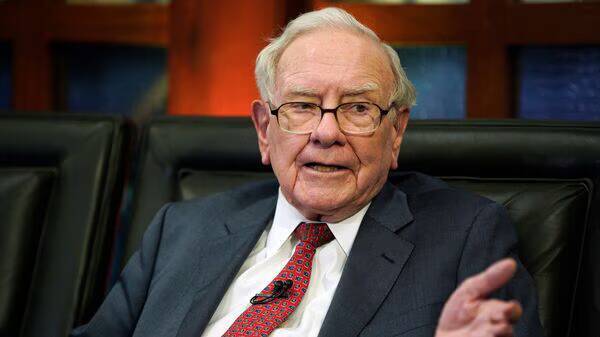
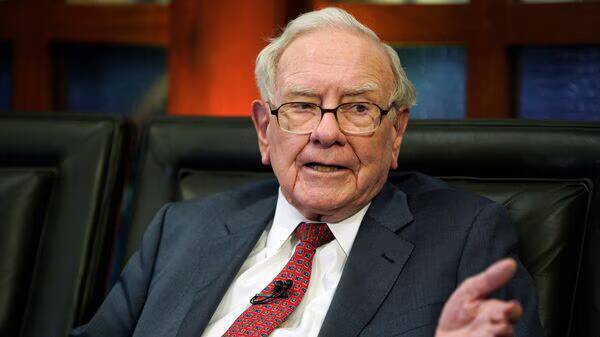
Warren Buffett, one of the most successful investors in history, has made a surprising admission about his investment in Berkshire Hathaway, the conglomerate he has led for over five decades. In a recent statement, Buffett referred to Berkshire Hathaway as his “dumbest” investment, citing the company’s struggles as a textile manufacturer when he first purchased shares in 1962. This revelation may come as a shock to many, given Berkshire Hathaway’s current status as a multinational conglomerate with a market capitalization of over $500 billion.
To understand the context of Buffett’s statement, it’s essential to delve into the history of Berkshire Hathaway and Buffett’s involvement with the company. Berkshire Hathaway was founded in 1839 as the Valley Falls Company, a textile mill in Rhode Island. Over the years, the company underwent several mergers and acquisitions, eventually becoming Berkshire Fine Spinning Associates in 1955. However, by the early 1960s, the textile industry was facing significant challenges, including increased competition from foreign manufacturers and rising labor costs.
It was during this period of struggle that Buffett first purchased shares of Berkshire Hathaway in 1962. At the time, he was a young investor with a growing reputation for his value investing philosophy. Buffett has said that he was attracted to Berkshire Hathaway because of its low stock price and the potential for profit. However, he soon realized that the company’s textile business was not as promising as he had initially thought. Despite this, Buffett continued to invest in the company, eventually taking control of Berkshire Hathaway in 1965.
Under Buffett’s leadership, Berkshire Hathaway began to diversify its operations, expanding into new industries such as insurance, retail, and manufacturing. Buffett’s investment philosophy, which emphasizes the importance of long-term value investing, helped to transform the company into the conglomerate it is today. However, Buffett has acknowledged that his early investment in Berkshire Hathaway was not without its challenges. In his 2010 letter to shareholders, Buffett wrote, “I made a significant mistake in buying Berkshire Hathaway’s textile business, which was a very poor business.”
Buffett’s admission that Berkshire Hathaway was his “dumbest” investment is a testament to his willingness to learn from his mistakes and adapt to changing circumstances. Despite the challenges he faced in the early years, Buffett persevered, using his investment expertise to turn the company around. Today, Berkshire Hathaway is a testament to Buffett’s success, with a diverse portfolio of businesses that generate billions of dollars in revenue each year.
As Buffett prepares to step down as CEO of Berkshire Hathaway at the end of the year, he will be succeeded by Greg Abel, a veteran executive who has been with the company for over two decades. Abel has been instrumental in leading Berkshire Hathaway’s energy and utility businesses, and is widely regarded as one of the most capable successors to Buffett’s legacy.
In conclusion, Warren Buffett’s statement that Berkshire Hathaway was his “dumbest” investment is a reminder that even the most successful investors can make mistakes. However, it’s how they respond to those mistakes that ultimately determines their success. Buffett’s ability to learn from his errors and adapt to changing circumstances has been a key factor in his success, and a lesson that investors of all levels can learn from.
As we look to the future, it will be interesting to see how Berkshire Hathaway evolves under Greg Abel’s leadership. One thing is certain, however: Warren Buffett’s legacy as one of the greatest investors in history will continue to inspire and educate generations of investors to come.
News Source: https://www.newsbytesapp.com/news/business/what-warren-buffett-thinks-about-investing-in-berkshire-hathaway/story
About the Author