Crocodile Tears: Shivraj on Congress’ ‘MGNREGA Bachao’ Protest
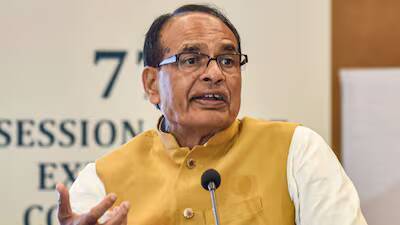
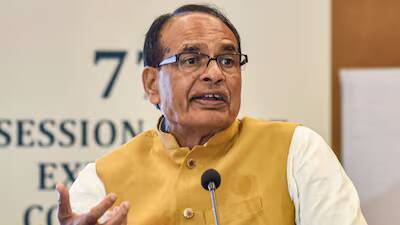
The recent announcement of the replacement of the Mahatma Gandhi National Rural Employment Guarantee Act (MGNREGA) with the VB-G RAM G Act has sparked a wave of protests and criticism from the opposition parties, particularly the Congress. In response to the Congress’ plan to launch the ‘MGNREGA Bachao’ protest from January 5, Union Minister Shivraj Singh Chouhan has accused the party of shedding “crocodile tears” over the issue.
According to Chouhan, the Congress’ clamour is purely political and lacks any genuine concern for the welfare of the people. He pointed out that the Congress, during its tenure, had consistently reduced the budget for MGNREGA, which raises questions about their sincerity in criticizing the current government’s decision. “The Congress’s clamour is purely political…This is the same Congress that, from time to time, reduced the budget for MGNREGA,” he said.
The MGNREGA, which was enacted in 2006, aims to provide a legal guarantee of employment to rural laborers, ensuring a minimum of 100 days of wage employment per year. The scheme has been instrumental in providing a safety net for millions of rural households, particularly during times of economic distress. However, the new VB-G RAM G Act has been criticized for potentially undermining the guarantees provided by the MGNREGA, leaving many to wonder about the motivations behind the move.
The Congress, which has been vocal in its opposition to the replacement of MGNREGA, has vowed to launch a nationwide protest, dubbed the ‘MGNREGA Bachao’ protest, from January 5. The party has argued that the new Act will weaken the existing guarantees and leave the rural laborers vulnerable to exploitation. However, Chouhan’s remarks suggest that the Congress’ concerns are not entirely altruistic, but rather a politically motivated attempt to gain mileage out of the issue.
It is worth noting that the Congress’ track record on MGNREGA has been inconsistent, to say the least. During its tenure, the party had indeed reduced the budget for the scheme, which had a direct impact on the number of jobs created and the wages paid to the laborers. This inconsistency has led many to question the Congress’ commitment to the welfare of the rural poor.
Moreover, the current government’s decision to replace MGNREGA with the VB-G RAM G Act has been justified as an attempt to streamline the existing scheme and make it more effective. The government has argued that the new Act will provide more flexibility and autonomy to the states, allowing them to tailor the scheme to their specific needs. However, the opposition parties, including the Congress, have expressed concerns that the new Act will undermine the existing guarantees and leave the rural laborers at the mercy of the state governments.
The debate surrounding the replacement of MGNREGA with the VB-G RAM G Act is complex and multifaceted. While the government has argued that the new Act will improve the efficiency and effectiveness of the scheme, the opposition parties have raised concerns about the potential consequences for the rural laborers. As the Congress prepares to launch its ‘MGNREGA Bachao’ protest, it remains to be seen whether the party’s concerns are genuinely motivated by a desire to protect the welfare of the rural poor or whether they are simply a political ploy to gain mileage out of the issue.
In conclusion, the controversy surrounding the replacement of MGNREGA with the VB-G RAM G Act has sparked a heated debate between the government and the opposition parties. While the Congress has accused the government of undermining the guarantees provided by the MGNREGA, Union Minister Shivraj Singh Chouhan has accused the party of shedding “crocodile tears” over the issue. As the debate continues to unfold, it is essential to examine the motivations and track records of all parties involved to understand the true implications of the decision.
About the Author