Raghav Chadha hosts Blinkit delivery boy after his viral video showed low pay for deliveries
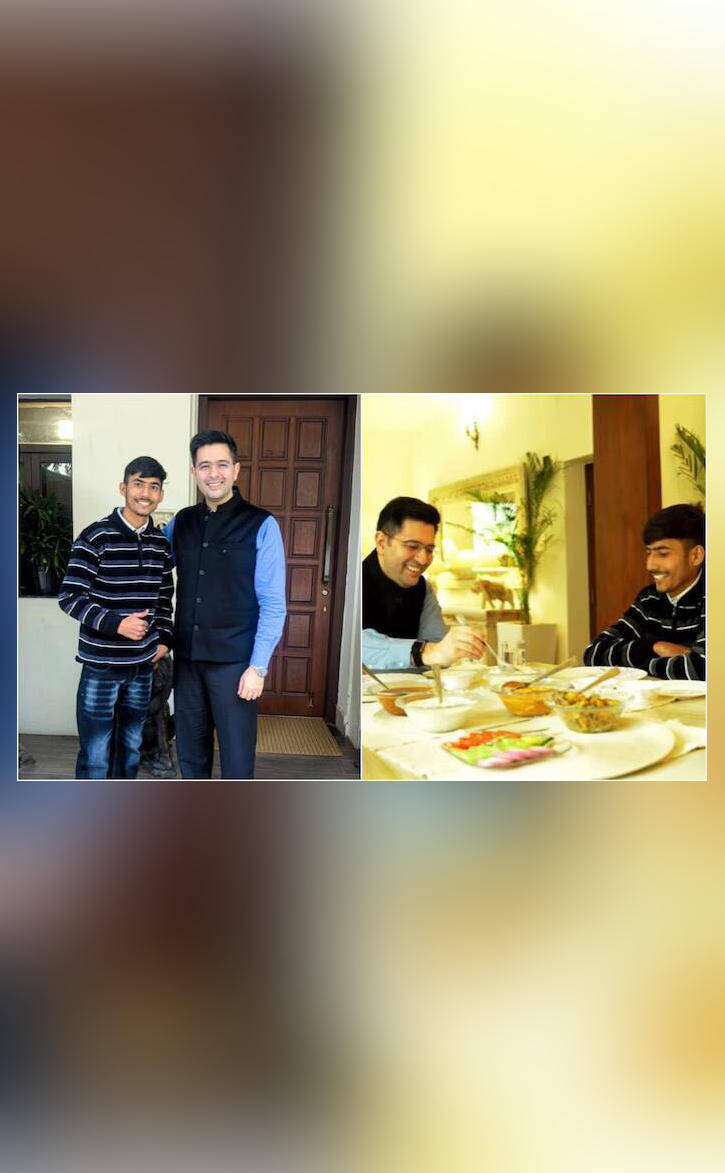
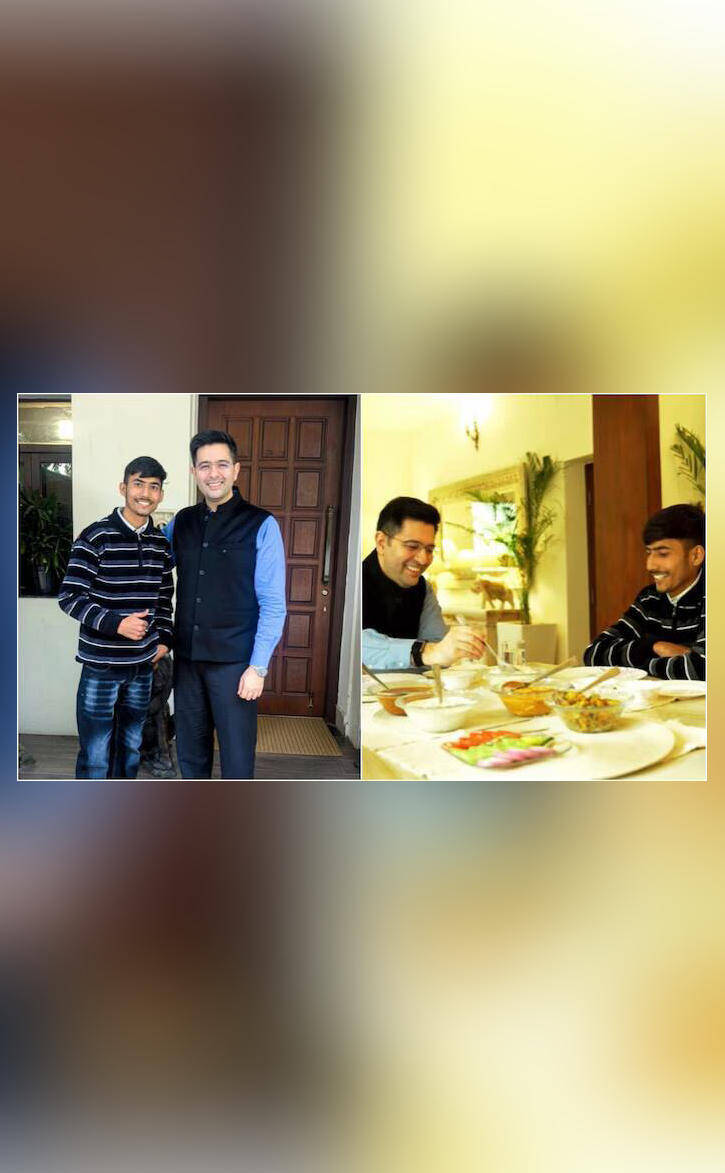
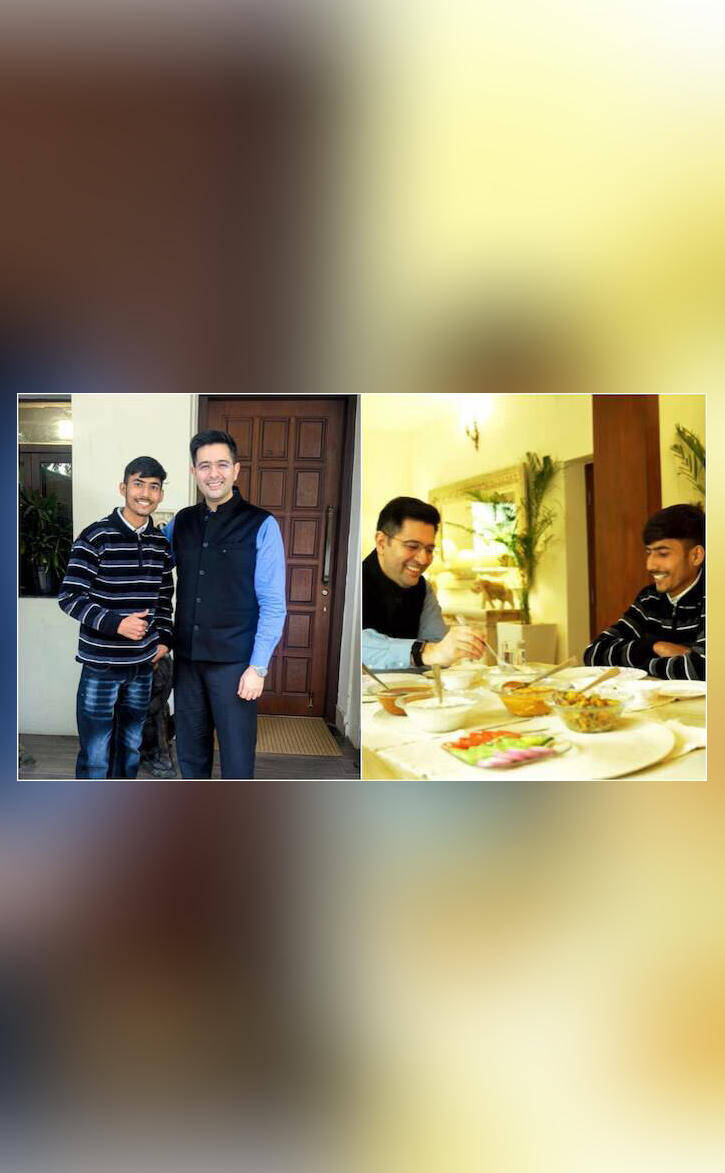
In a heartwarming gesture, Aam Aadmi Party (AAP) MP Raghav Chadha hosted a Blinkit delivery executive for lunch, after a video showcasing the executive’s meager earnings for a day’s work went viral on social media. The video, which highlighted the plight of gig workers in the country, sparked outrage and concern among netizens, prompting many to question the working conditions and pay structures of companies like Blinkit.
The Blinkit delivery executive, whose video garnered widespread attention, had revealed that he earned a mere ₹763 for 28 deliveries after working for 15 hours in a day. The executive’s video was met with shock and dismay, with many expressing solidarity with him and criticizing the company for its alleged exploitation of workers. The issue also caught the attention of AAP MP Raghav Chadha, who has been a vocal advocate for the rights of gig workers.
Recently, Chadha had highlighted the working conditions of gig workers, emphasizing the need for better pay, benefits, and job security for those employed in the sector. In a symbolic gesture of support, Chadha invited the Blinkit delivery executive to join him for lunch, in an effort to bring attention to the struggles faced by gig workers and to spark a conversation about the need for reform.
The executive, who was visibly moved by Chadha’s gesture, took to social media to express his gratitude. “Never thought a viral video would take me so far,” he wrote, sharing a video of his meeting with Chadha. The video showed the two sitting down for a meal, engaged in conversation, with Chadha listening intently to the executive’s experiences and concerns.
The meeting between Chadha and the Blinkit delivery executive has been seen as a significant moment in the ongoing debate about the rights and working conditions of gig workers. As the gig economy continues to grow, with more and more people turning to platforms like Blinkit, Zomato, and Uber for employment, concerns about exploitation, low pay, and lack of job security have become increasingly prominent.
The issue is not limited to Blinkit alone, but is rather a symptom of a broader problem that affects gig workers across various platforms. Many gig workers have reported earning meager wages, often below the minimum wage, and working long hours without access to basic benefits like health insurance, paid leave, or social security.
In response to the outrage sparked by the Blinkit delivery executive’s video, the company has maintained that it provides its workers with a fair and competitive pay structure. However, many have disputed this claim, citing their own experiences of low pay and long working hours.
The meeting between Chadha and the Blinkit delivery executive has been seen as a positive step towards bringing attention to the struggles faced by gig workers. By hosting the executive for lunch and listening to his concerns, Chadha has helped to humanize the issue and bring it to the forefront of public discourse.
As the debate about the rights and working conditions of gig workers continues, it is essential that companies like Blinkit take steps to address the concerns of their workers. This can include providing fair and competitive pay, ensuring access to benefits like health insurance and paid leave, and implementing measures to prevent exploitation and ensure job security.
Ultimately, the issue of gig workers’ rights is a complex one that requires a multifaceted solution. It will require the collective efforts of governments, companies, and civil society organizations to create a more just and equitable system for gig workers.
In the meantime, the meeting between Chadha and the Blinkit delivery executive serves as a powerful reminder of the importance of empathy and solidarity in bringing about change. By listening to the stories and concerns of gig workers, and by amplifying their voices, we can work towards creating a more just and equitable society for all.
Source: https://www.instagram.com/p/DSptcGjE2M6/
About the Author