Joining BJP was mistake: Bengali actress Mittra after joining TMC
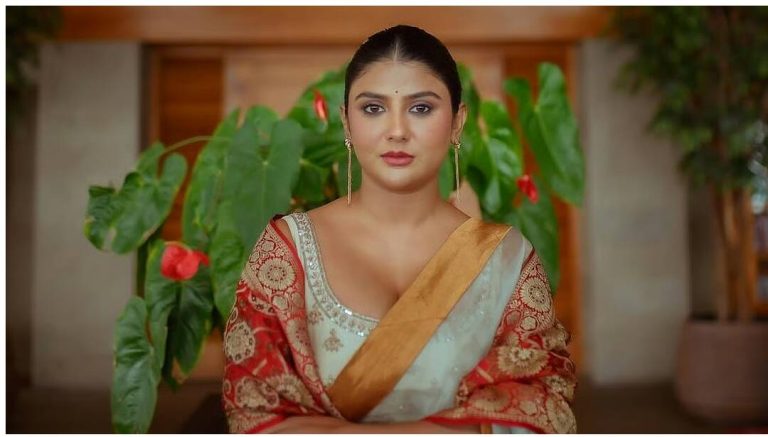
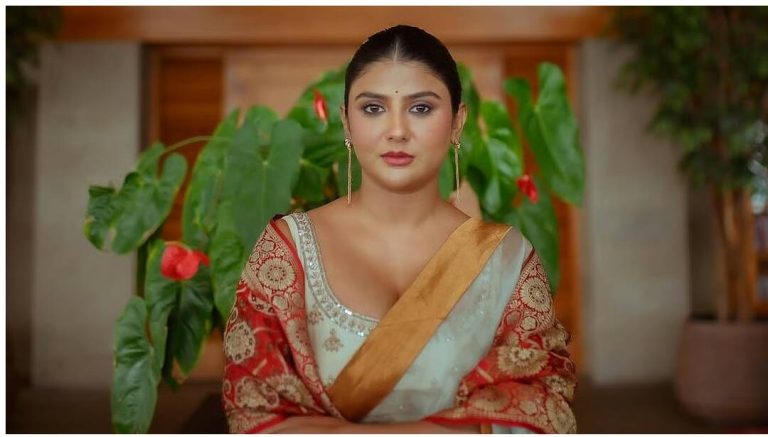
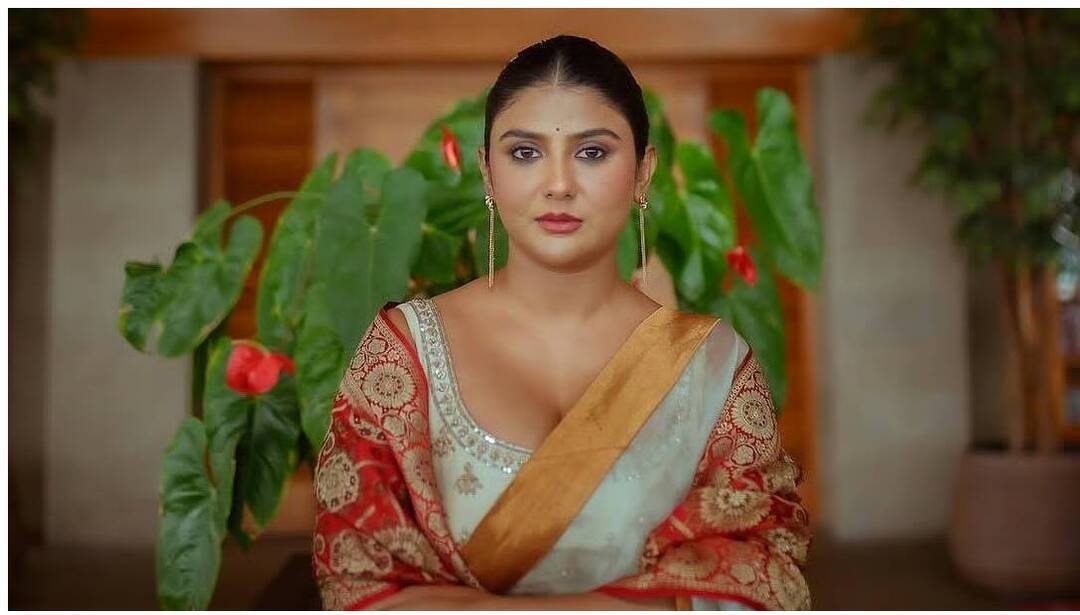
In a significant development ahead of the West Bengal Assembly elections, Bengali actress Parno Mittra joined the Trinamool Congress (TMC) on Friday, marking a major shift in her political allegiance. This move comes six years after she entered the Bharatiya Janata Party (BJP), a decision she now describes as a “mistake”. Mittra’s switch to the TMC is seen as a strategic move, not just for her personal political career, but also as a potential boost for the TMC ahead of the crucial state elections likely to be held in March-April 2026.
The West Bengal Assembly elections are poised to be highly competitive, with the BJP seeking to unseat the incumbent TMC government led by Chief Minister Mamata Banerjee. The TMC, known for its robust grassroots presence and populist policies, has been facing a strong challenge from the BJP, which has been making inroads into the state’s political landscape. Against this backdrop, the entry of Parno Mittra into the TMC fold could be seen as an attempt to bolster the party’s appeal, particularly among the youth and the film fraternity, which holds significant sway in West Bengal’s cultural and political spheres.
Parno Mittra’s decision to join the BJP six years ago was met with surprise and curiosity, given her background and popularity in the Bengali film industry. However, her experience within the party seems to have been less than satisfactory, leading her to reconsider her political affiliations. By acknowledging her decision to join the BJP as a “mistake”, Mittra has sent a clear signal about her disillusionment with the party’s ideology, functioning, or possibly both. This public expression of regret also indicates her confidence in the TMC’s vision and leadership, particularly under Mamata Banerjee, whom she has expressed her willingness to work under.
The TMC, under Mamata Banerjee’s leadership, has been known for its inclusive and secular policies, which might have attracted Mittra. The party’s emphasis on social welfare schemes, women’s empowerment, and cultural preservation could also be factors that influenced her decision. Furthermore, the TMC’s strong organizational structure and its deep penetration into the state’s political fabric might have presented Mittra with a more viable platform to pursue her political aspirations and contribute to public service.
Mittra’s switch is also significant because it reflects the fluid political landscape of West Bengal, where allegiances can shift rapidly. The state has witnessed several high-profile defections in recent years, with politicians moving between the TMC, BJP, and other parties. This trend underscores the intense political competition in the state and the strategic maneuvers parties undertake to strengthen their positions ahead of elections.
The timing of Mittra’s joining the TMC is noteworthy, given the impending Assembly elections. The TMC will likely utilize her popularity and influence to reach out to a broader audience, especially in urban areas and among the younger demographics. Mittra’s involvement in the party’s campaigns and outreach programs could help the TMC counter the BJP’s aggressive marketing and social media-driven strategies.
Moreover, Mittra’s entry into the TMC might set a precedent for other celebrities or public figures who are contemplating a political career or are dissatisfied with their current political affiliations. West Bengal has a history of celebrities entering politics, with some achieving significant success. The appeal of joining a party that has a strong grassroots presence and a proven track record of governance could attract more individuals from the entertainment industry and other walks of life.
In conclusion, Parno Mittra’s decision to join the TMC, after describing her stint with the BJP as a “mistake”, marks an interesting turn in West Bengal’s political scenario. As the state gears up for the Assembly elections, such moves are likely to garner significant attention and could influence the political narrative. The TMC’s ability to attract personalities like Mittra reflects its enduring appeal and its capacity to present itself as a viable and inclusive political force in the state.
About the Author