China Accelerates Vehicle to 700 km/h in 2 Secs in Magnetic Levitation Test
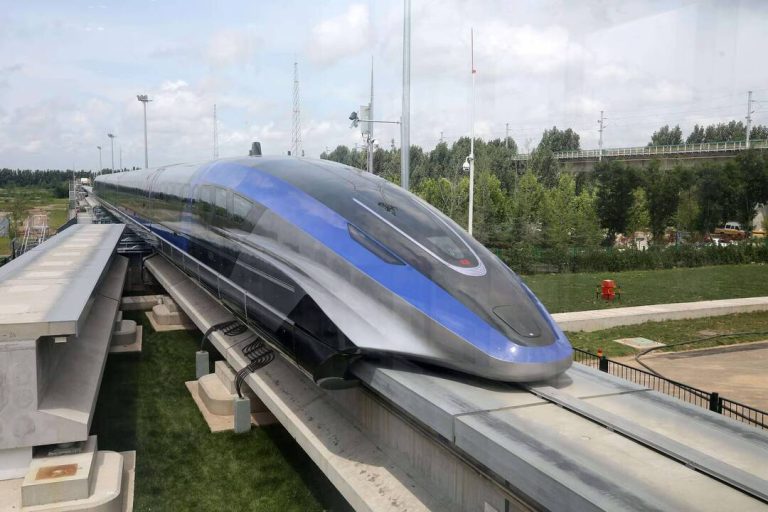
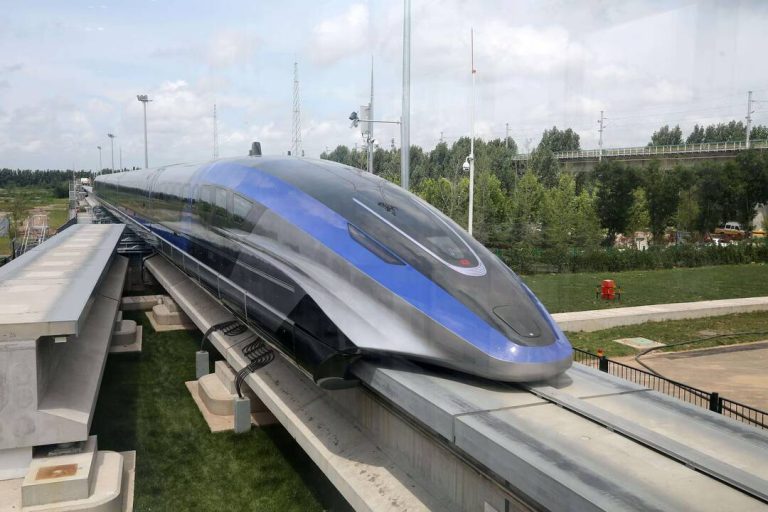
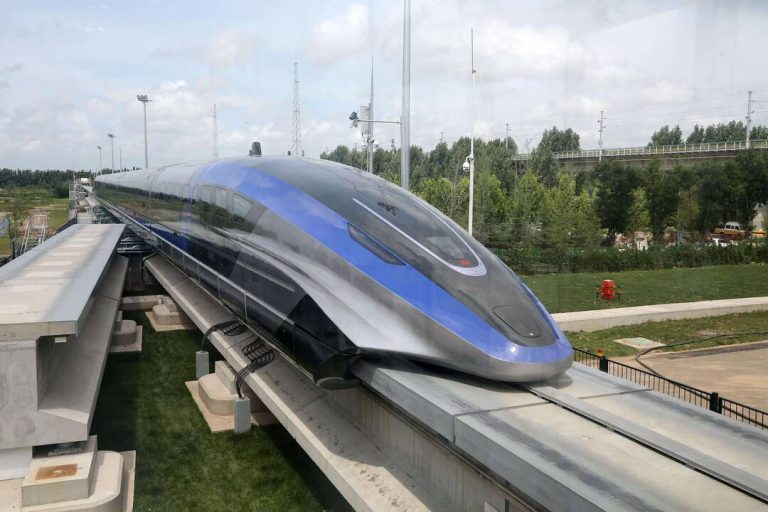
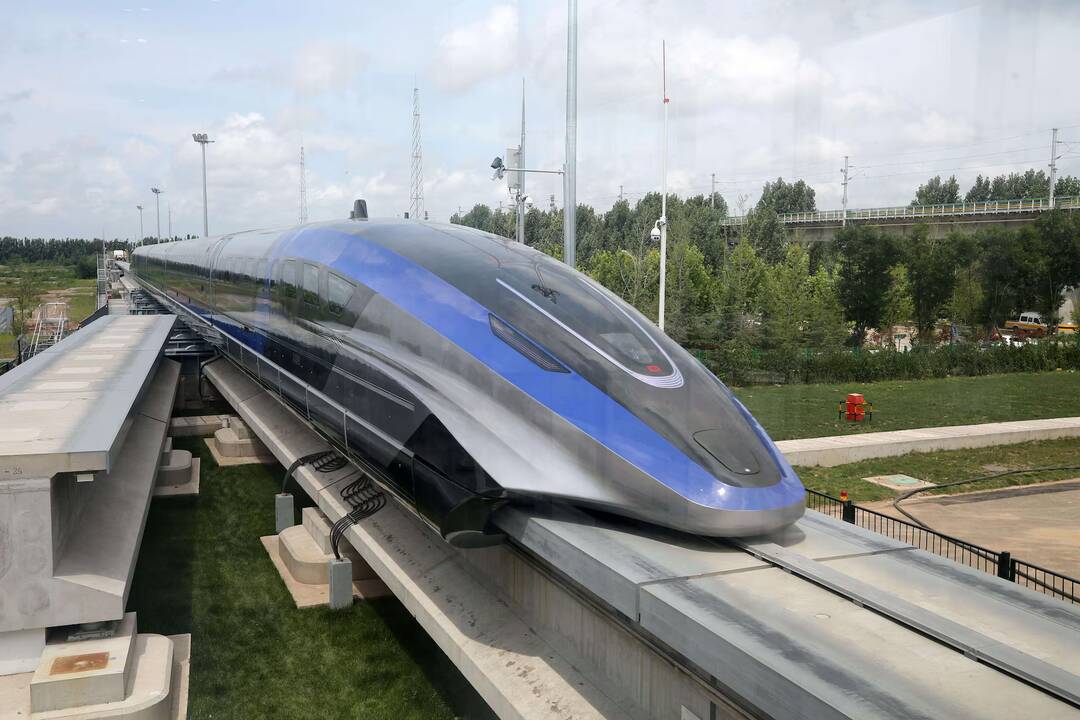
In a groundbreaking achievement, researchers in China have successfully accelerated a tonne-class vehicle to a speed of 700 km/h within a mere two seconds on a magnetic levitation (maglev) test line. This remarkable feat makes it the fastest superconductive electric maglev system in the world, according to state broadcaster China Central Television. The test was conducted by China’s National University of Defense Technology using a 1,310-foot track, marking a significant milestone in the development of high-speed transportation technology.
The magnetic levitation technology used in this test is a type of transportation system that uses magnetic forces to lift and propel vehicles at high speeds, eliminating the need for traditional wheels and tracks. This allows for smoother, quieter, and more efficient travel, with reduced friction and wear on the vehicle and track. The use of superconducting materials in the maglev system enables the creation of powerful magnetic fields, which are essential for achieving high speeds.
The test, which was conducted on a specially designed track, demonstrated the incredible acceleration capabilities of the maglev system. Reaching a speed of 700 km/h in just two seconds is an astonishing achievement, equivalent to going from 0 to 435 miles per hour in the same time. To put this in perspective, the fastest production car in the world, the Bugatti Chiron Super Sport 300+, can reach a top speed of 330 miles per hour, but it takes significantly longer to achieve this speed.
The implications of this technology are vast, with potential applications in various fields, including transportation, logistics, and even space exploration. The development of high-speed maglev systems could revolutionize the way we travel, making it faster, cleaner, and more efficient. Imagine being able to travel from one city to another in a fraction of the time it takes today, with minimal environmental impact.
The Chinese researchers behind this achievement have been working on the development of maglev technology for several years, with significant investments in research and development. The National University of Defense Technology has been at the forefront of this research, collaborating with other institutions and industries to advance the technology.
The success of this test is a testament to China’s commitment to innovation and its determination to become a leader in cutting-edge technologies. The country has been investing heavily in research and development, with a focus on emerging technologies such as artificial intelligence, quantum computing, and renewable energy.
The development of high-speed maglev systems is not without its challenges, however. One of the main obstacles is the high cost of building and maintaining the infrastructure required to support these systems. Additionally, there are concerns about safety, as the high speeds involved pose significant risks to passengers and bystanders.
Despite these challenges, the potential benefits of high-speed maglev systems make them an attractive option for countries looking to upgrade their transportation infrastructure. With the ability to travel at speeds of over 700 km/h, these systems could reduce travel times between cities, making it possible to commute to work or travel for leisure in a fraction of the time it takes today.
In conclusion, the achievement of accelerating a vehicle to 700 km/h in 2 seconds on a magnetic levitation test line is a significant milestone in the development of high-speed transportation technology. The potential applications of this technology are vast, and it is likely that we will see significant advancements in the coming years. As countries around the world continue to invest in research and development, we can expect to see the development of even faster and more efficient transportation systems, revolutionizing the way we travel and transforming the world as we know it.
News Source: https://www.newsbytesapp.com/news/science/china-s-high-speed-maglev-reaches-700-km-h-in-2-seconds/story
About the Author