China Accelerates Vehicle to 700 km/h in 2 Secs in Magnetic Levitation Test
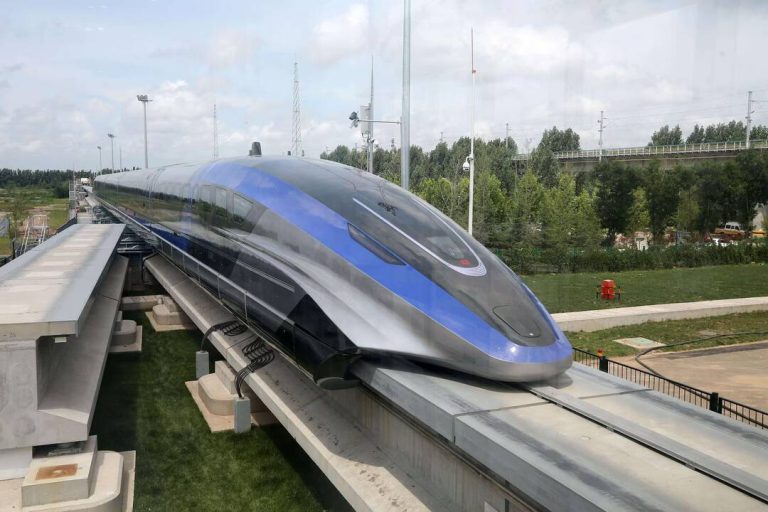
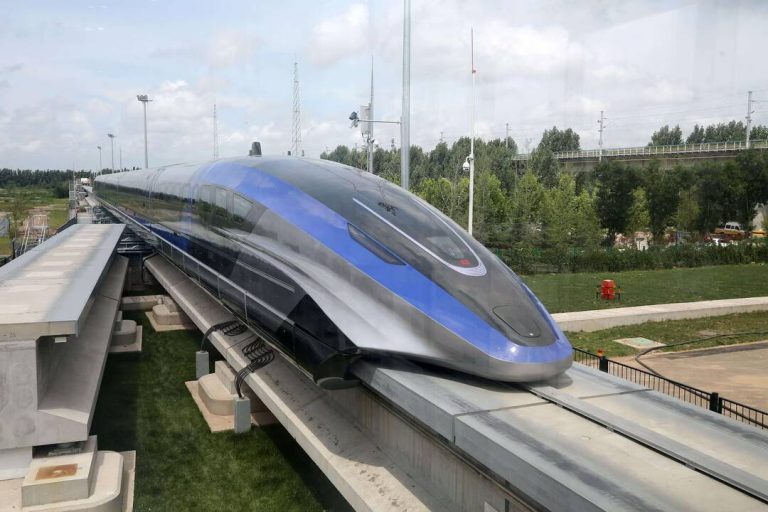
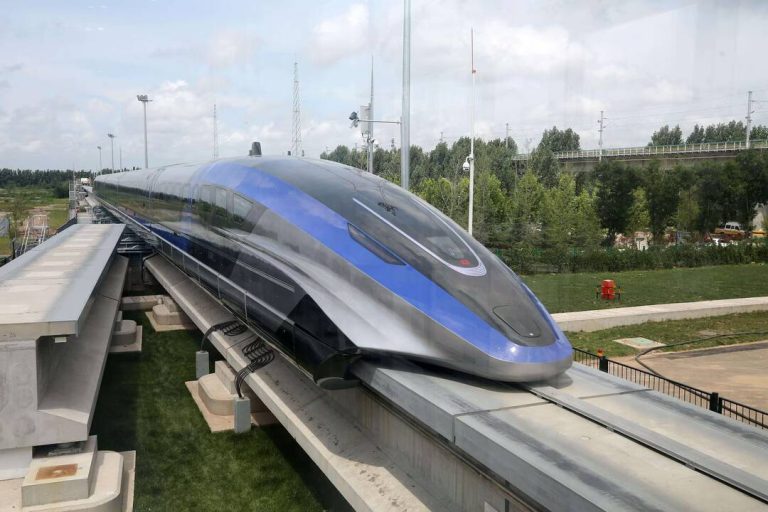
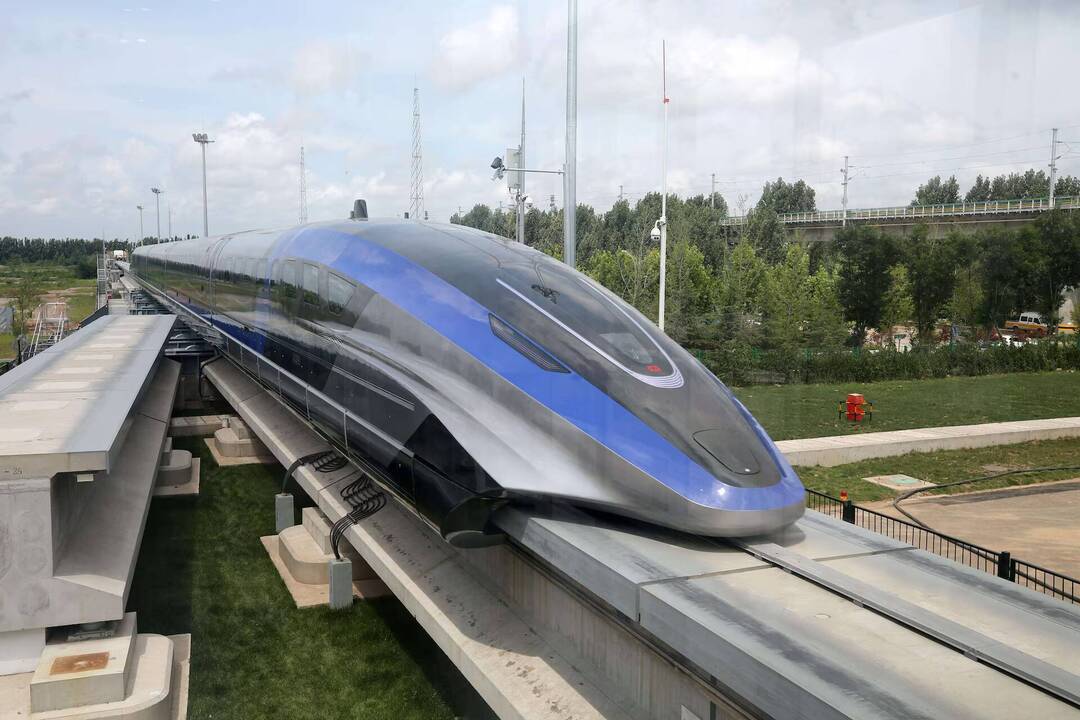
In a groundbreaking achievement, researchers in China have successfully accelerated a tonne-class vehicle to a speed of 700 km/h within a mere two seconds on a magnetic levitation (maglev) test line. This remarkable feat makes it the fastest superconductive electric maglev system in the world, according to state broadcaster China Central Television. The test was conducted by China’s National University of Defense Technology using a 1,310-foot track, marking a significant milestone in the development of high-speed transportation technology.
The maglev system uses magnetic forces to lift and propel the vehicle, eliminating the need for wheels and allowing for smoother, quieter, and more efficient travel. The technology has been in development for several decades, with various countries investing heavily in its research and implementation. However, China’s latest achievement sets a new benchmark for the industry, demonstrating the country’s commitment to pushing the boundaries of innovation and technological advancement.
The test, which took place on the specially designed track, saw the vehicle accelerate from 0 to 700 km/h in just two seconds, reaching a speed that is comparable to that of a commercial airliner. This is significantly faster than the current fastest maglev train in operation, which has a top speed of around 500 km/h. The Chinese researchers’ achievement is a testament to the potential of maglev technology to revolutionize the way we travel, making high-speed transportation faster, safer, and more efficient.
The implications of this breakthrough are far-reaching, with potential applications in various fields, including transportation, logistics, and even space exploration. The development of high-speed maglev systems could enable the creation of vacuum-sealed tubes for transportation, allowing for travel at speeds of over 4,000 km/h, reducing travel times between cities and countries to a fraction of what they are today.
The Chinese government has been investing heavily in the development of maglev technology, with plans to build a network of high-speed maglev lines connecting major cities across the country. The technology is seen as a key component of China’s efforts to become a global leader in innovation and technological advancement, with the potential to drive economic growth, improve transportation efficiency, and reduce environmental impact.
The success of the test is also a significant achievement for China’s National University of Defense Technology, which has been at the forefront of the country’s maglev research and development efforts. The university’s team of researchers and engineers has been working tirelessly to develop and refine the technology, overcoming numerous technical challenges and obstacles along the way.
The achievement is also a testament to the power of collaboration and international cooperation in driving innovation and technological advancement. China has been working closely with other countries, including Japan and Germany, to develop and share knowledge and expertise in maglev technology. This collaborative approach has enabled the rapid advancement of the technology, with each country building on the progress made by others to push the boundaries of what is possible.
As the world continues to urbanize and the demand for efficient and sustainable transportation solutions grows, the development of high-speed maglev systems is likely to play an increasingly important role. China’s achievement is a significant step forward in this direction, demonstrating the potential of maglev technology to transform the way we travel and connect with each other.
In conclusion, the successful test of China’s maglev system, which accelerated a vehicle to 700 km/h in just two seconds, is a groundbreaking achievement that marks a new era in high-speed transportation technology. The implications of this breakthrough are far-reaching, with potential applications in various fields and the potential to drive economic growth, improve transportation efficiency, and reduce environmental impact. As the world continues to push the boundaries of innovation and technological advancement, China’s achievement is a significant step forward, demonstrating the country’s commitment to becoming a global leader in the development and implementation of cutting-edge technologies.
News Source: https://www.newsbytesapp.com/news/science/china-s-high-speed-maglev-reaches-700-km-h-in-2-seconds/story
About the Author