China Accelerates Vehicle to 700 km/h in 2 Secs in Magnetic Levitation Test
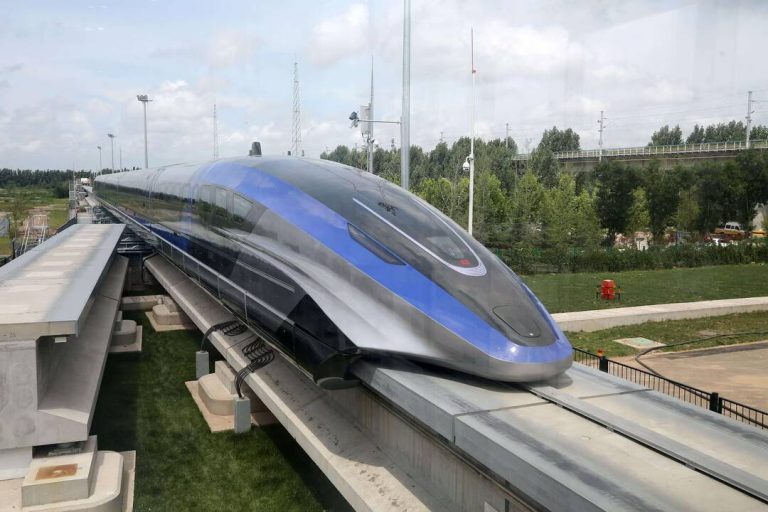
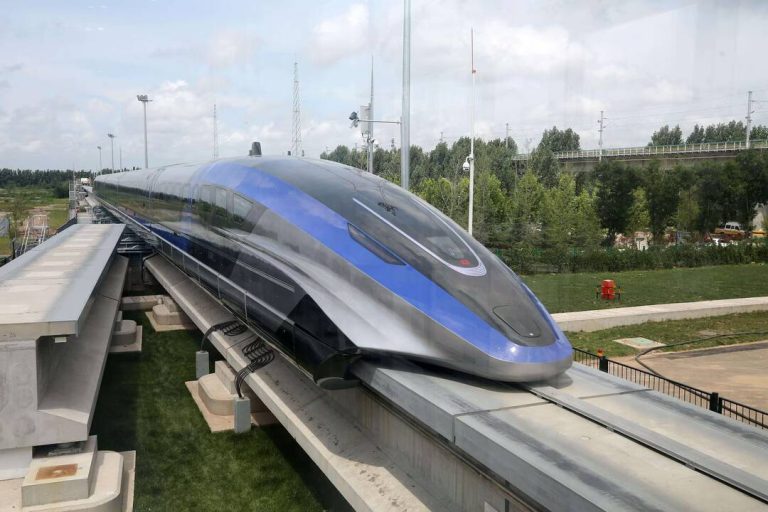
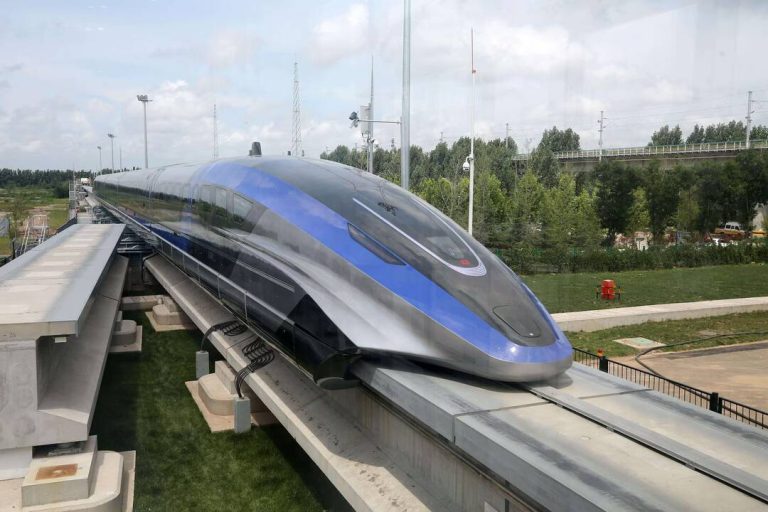
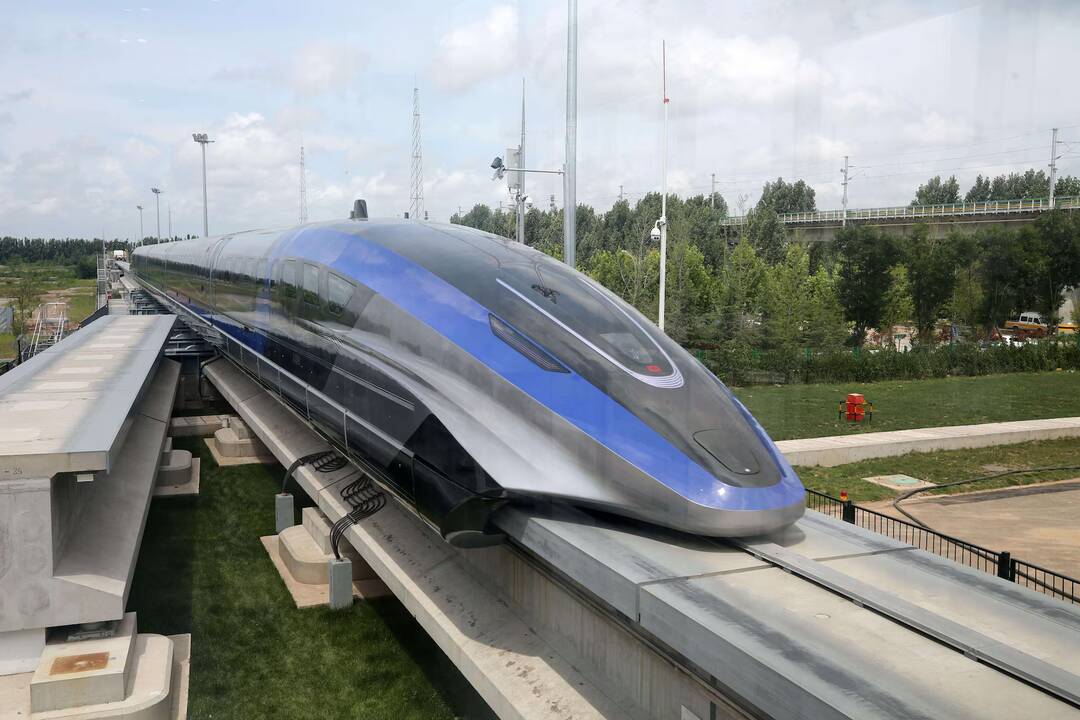
In a groundbreaking achievement, researchers in China have successfully accelerated a tonne-class vehicle to a speed of 700 km/h within a mere two seconds on a magnetic levitation (maglev) test line. This remarkable feat makes it the fastest superconductive electric maglev system in the world, according to state broadcaster China Central Television. The test was conducted by China’s National University of Defense Technology using a 1,310-foot track, marking a significant milestone in the development of high-speed transportation technology.
The concept of magnetic levitation, or maglev, has been around for several decades. It involves using magnetic forces to levitate and propel vehicles at high speeds, eliminating the need for traditional wheels and tracks. This technology has the potential to revolutionize the way we travel, offering faster, cleaner, and more efficient transportation solutions. China has been at the forefront of maglev technology, with several test lines and commercial projects already in operation.
The recent test, conducted by the National University of Defense Technology, demonstrates the incredible potential of maglev technology. The vehicle, weighing around a tonne, was accelerated to 700 km/h in just two seconds, showcasing the system’s remarkable power and efficiency. To put this in perspective, it would take a typical high-speed train around 10-15 minutes to reach the same speed. The maglev system’s ability to accelerate at such a rapid rate is due to the use of superconducting materials, which enable the creation of powerful magnetic fields.
The test track, measuring 1,310 feet in length, was designed to simulate real-world conditions, with the vehicle undergoing a series of tests to evaluate its performance and safety. The results of the test have been hailed as a significant breakthrough, with implications for the development of future high-speed transportation systems. The Chinese government has already announced plans to build a commercial maglev line, which could potentially connect major cities like Shanghai and Beijing.
The benefits of maglev technology are numerous. For one, it offers a significant reduction in travel time, making it an attractive option for commuters and travelers. Additionally, maglev systems are designed to be highly efficient, with minimal energy consumption and zero emissions. This makes them an environmentally friendly alternative to traditional fossil fuel-based transportation systems. Furthermore, maglev technology has the potential to reduce maintenance costs, as the lack of physical contact between the vehicle and track eliminates the need for regular repairs and replacements.
China’s achievement in maglev technology has not gone unnoticed, with several countries around the world taking notice of the country’s advancements. The United States, Japan, and Europe have all been investing heavily in maglev research and development, with several test lines and commercial projects already in operation. However, China’s recent test has set a new benchmark for the industry, with its superconductive electric maglev system demonstrating unprecedented speeds and efficiency.
As the world continues to urbanize and populations grow, the need for efficient and sustainable transportation solutions has never been more pressing. Maglev technology offers a promising solution, with its potential to revolutionize the way we travel. China’s recent achievement is a significant step forward in the development of this technology, and it will be exciting to see how it evolves in the coming years.
In conclusion, China’s successful test of its maglev system, accelerating a vehicle to 700 km/h in just two seconds, is a remarkable achievement that showcases the country’s advancements in high-speed transportation technology. With its potential to reduce travel times, energy consumption, and emissions, maglev technology is an exciting development that could transform the way we travel. As research and development continue to push the boundaries of what is possible, we can expect to see even more innovative applications of this technology in the future.
News Source: https://www.newsbytesapp.com/news/science/china-s-high-speed-maglev-reaches-700-km-h-in-2-seconds/story
About the Author