China accelerates vehicle to 700 km/h in 2 secs in magnetic levitation test
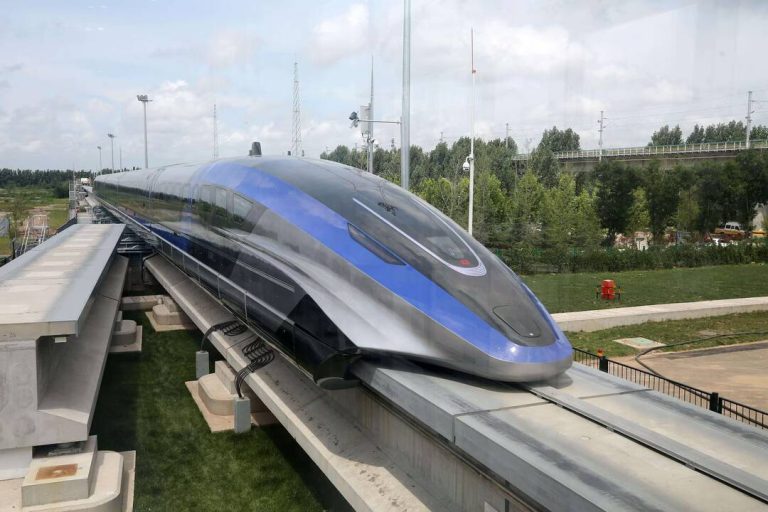
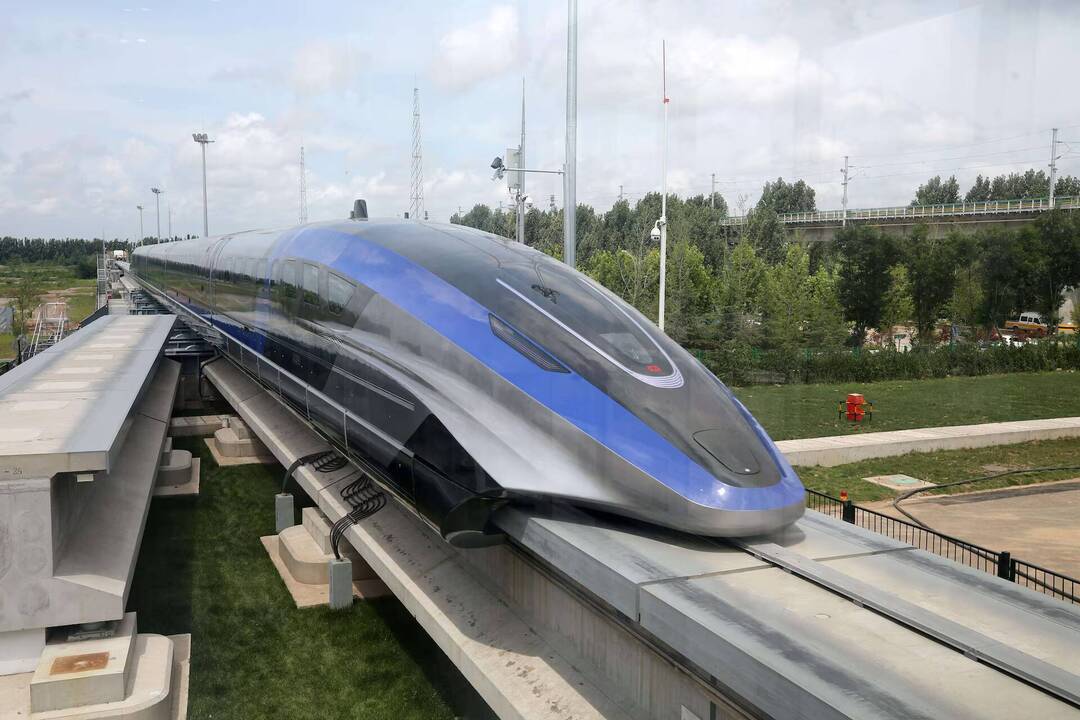
The world of transportation is on the cusp of a revolution, and China is at the forefront of this technological advancement. In a groundbreaking experiment, researchers in China have successfully accelerated a tonne-class vehicle to a staggering speed of 700 km/h within a mere two seconds. This remarkable achievement was made possible using a magnetic levitation (maglev) test line, which has earned China the distinction of having the fastest superconductive electric maglev system in the world.
According to state broadcaster China Central Television, the test was conducted by China’s National University of Defense Technology using a 1,310-foot track. The results of this experiment have sent shockwaves of excitement throughout the scientific community, as it demonstrates the immense potential of maglev technology in transforming the way we travel. The fact that a vehicle weighing over a tonne was able to reach such an incredible speed in such a short span of time is a testament to the power and efficiency of this technology.
So, how does magnetic levitation work? In simple terms, maglev is a system of transportation that uses magnetic forces to lift and propel vehicles at high speeds, eliminating the need for traditional wheels and tracks. This is achieved through the use of electromagnets, which are placed along the length of the track and underneath the vehicle. When an electric current is passed through these electromagnets, they create a magnetic field that repels the vehicle, causing it to levitate above the track. This allows the vehicle to move at incredible speeds, with minimal friction and resistance.
The benefits of maglev technology are numerous. For one, it has the potential to revolutionize the way we travel, making it faster, cleaner, and more efficient. Maglev trains, for instance, could travel at speeds of over 3,000 km/h, reducing travel times between cities to a fraction of what they are today. Additionally, maglev systems are incredibly quiet and produce zero emissions, making them an attractive alternative to traditional fossil fuel-based modes of transportation.
China’s achievement in accelerating a vehicle to 700 km/h in 2 seconds is a significant milestone in the development of maglev technology. It demonstrates the country’s commitment to investing in cutting-edge research and development, and its desire to be at the forefront of technological innovation. The implications of this breakthrough are far-reaching, and it is likely to have a significant impact on the development of future transportation systems.
One of the key advantages of maglev technology is its ability to operate at high speeds with minimal maintenance. Unlike traditional rail systems, which require frequent maintenance and upkeep, maglev systems are designed to be highly efficient and reliable. This is because the magnetic levitation system eliminates the need for physical contact between the vehicle and the track, reducing wear and tear and minimizing the risk of accidents.
Another significant benefit of maglev technology is its potential to reduce energy consumption. By using advanced magnetic levitation systems, it is possible to reduce the energy required to propel a vehicle at high speeds. This is because the magnetic field created by the electromagnets is able to propel the vehicle with minimal resistance, reducing the amount of energy required to maintain high speeds.
As China continues to push the boundaries of maglev technology, it is likely that we will see significant advancements in the development of high-speed transportation systems. The country’s commitment to investing in research and development has paid off, and its achievement in accelerating a vehicle to 700 km/h in 2 seconds is a testament to its innovative spirit.
In conclusion, China’s achievement in accelerating a vehicle to 700 km/h in 2 seconds using a magnetic levitation test line is a groundbreaking moment in the development of transportation technology. The implications of this breakthrough are far-reaching, and it is likely to have a significant impact on the development of future transportation systems. As we look to the future, it is exciting to think about the possibilities that maglev technology holds, and how it will shape the way we travel and interact with the world around us.
News source: https://www.newsbytesapp.com/news/science/china-s-high-speed-maglev-reaches-700-km-h-in-2-seconds/story
About the Author