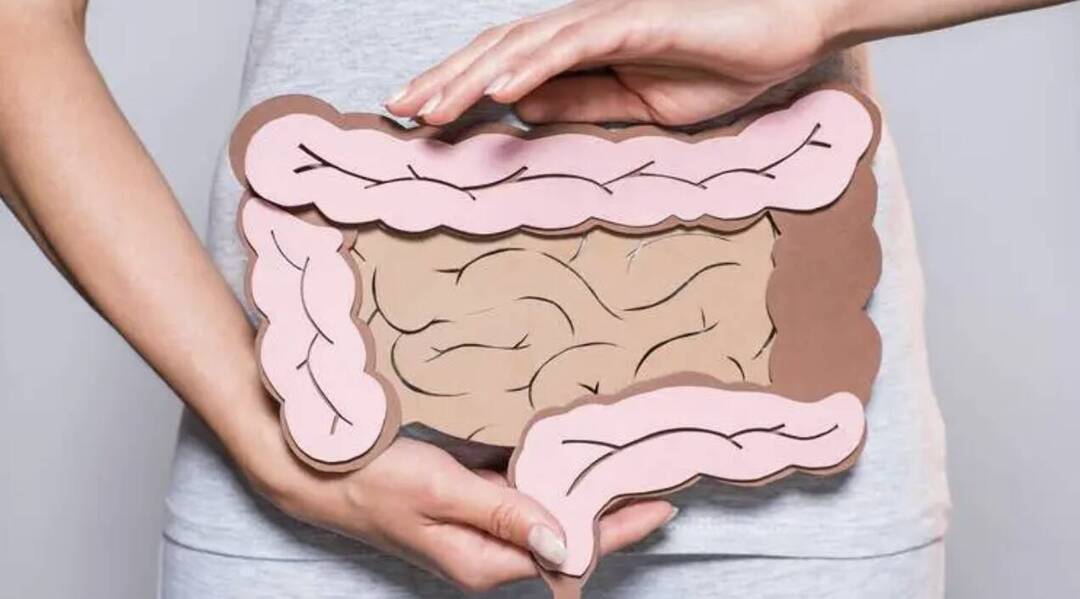
Genes of Roommates Can Influence Gut Microbiome: Study
The human gut microbiome is a complex ecosystem that plays a vital role in our overall health and well-being. Comprising trillions of microorganisms, the gut microbiome is responsible for digesting food, synthesizing vitamins, and regulating the immune system. While it is well established that an individual’s diet, lifestyle, and environmental factors can influence their gut microbiome, a recent study has made a groundbreaking discovery. According to the study, a person’s gut bacteria can be influenced by the genes of individuals they live with, even if they do not share a biological relationship.
The study, conducted in rats, found that the genes of roommates can have a significant impact on the composition of the gut microbiome. The researchers identified three genetic regions that affect the gut bacteria, with one gene in particular, St6galnac1, linked to higher levels of a sugar-feeding bacterium called Paraprevotella. This discovery suggests that genetic effects can spread socially, indirectly impacting the health of others without the need for DNA exchange.
The study’s findings have significant implications for our understanding of the gut microbiome and its relationship to human health. It is well established that an imbalance of the gut microbiome, also known as dysbiosis, has been linked to a range of diseases, including obesity, diabetes, and mental health disorders. If the genes of individuals we live with can influence our gut microbiome, it raises important questions about the role of social environment in shaping our health.
The study’s lead author noted that the findings highlight the complex interplay between genetics, environment, and the gut microbiome. “Our study shows that the genes of individuals we live with can have a profound impact on our health, even if we don’t share a biological relationship,” the author said. “This has significant implications for our understanding of the social determinants of health and the role of the gut microbiome in disease.”
The study’s methodology involved analyzing the gut microbiome of rats that were housed together in pairs. The researchers found that the genetic makeup of one rat could influence the composition of the gut microbiome of its roommate, even if they were not related. The study’s findings were consistent across different strains of rats, suggesting that the phenomenon is not limited to a specific genetic background.
The identification of the St6galnac1 gene as a key player in shaping the gut microbiome is particularly significant. Paraprevotella, the sugar-feeding bacterium linked to this gene, has been implicated in a range of diseases, including obesity and metabolic disorders. The study’s findings suggest that individuals who live with someone who has a genetic predisposition to higher levels of Paraprevotella may be more likely to develop these conditions, even if they do not have the same genetic makeup.
The study’s findings also have implications for our understanding of the social transmission of disease. If the genes of individuals we live with can influence our gut microbiome, it raises the possibility that diseases linked to dysbiosis may be transmitted socially, rather than just through genetic or environmental factors. This has significant implications for public health policy and the development of strategies to prevent and treat diseases linked to the gut microbiome.
In conclusion, the study’s findings highlight the complex and multifaceted nature of the gut microbiome and its relationship to human health. The discovery that the genes of roommates can influence our gut bacteria suggests that social environment plays a critical role in shaping our health, and that genetic effects can spread socially, indirectly impacting the health of others. As we continue to unravel the mysteries of the gut microbiome, it is clear that a deeper understanding of the interplay between genetics, environment, and social factors will be critical to developing effective strategies to promote health and prevent disease.
Source:
https://www.sciencedaily.com/releases/2025/12/251223043938.htm
About the Author