Genes of Roommates Can Influence Gut Microbiome: Study
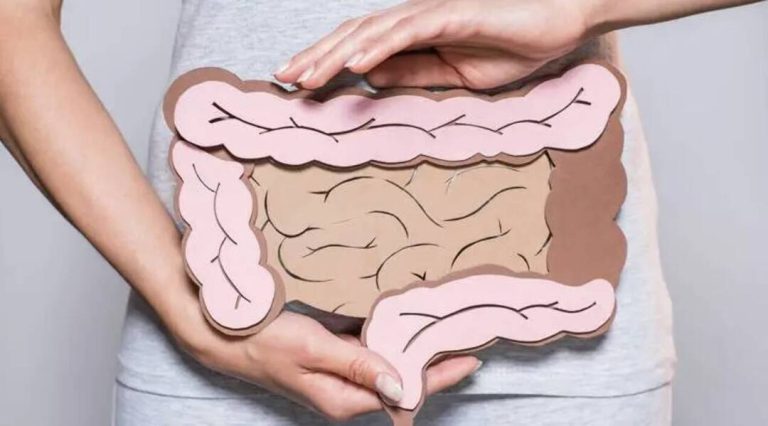
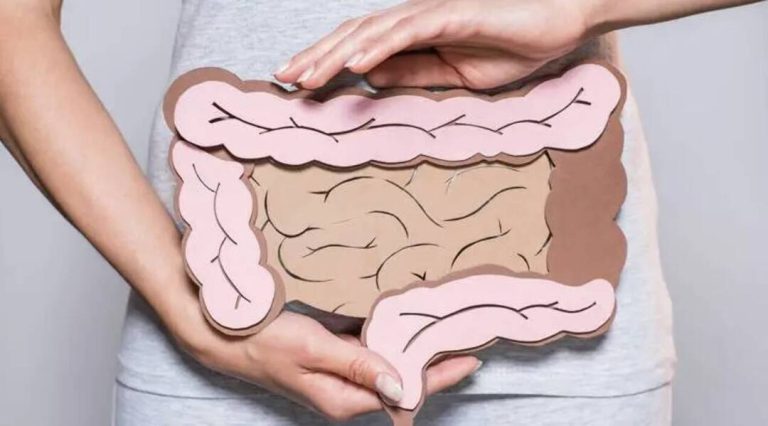
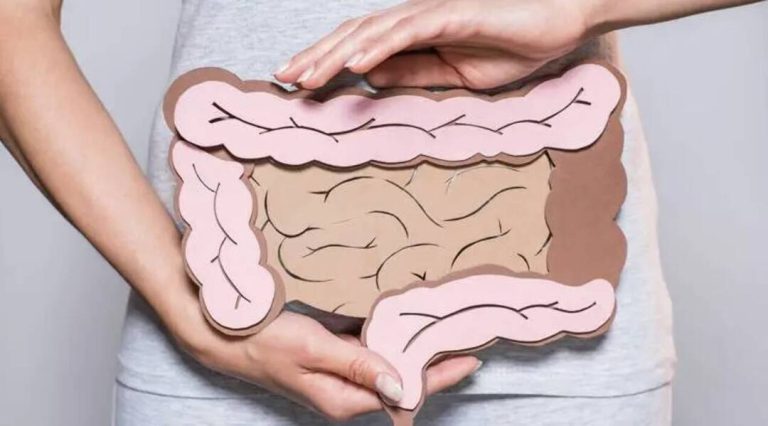
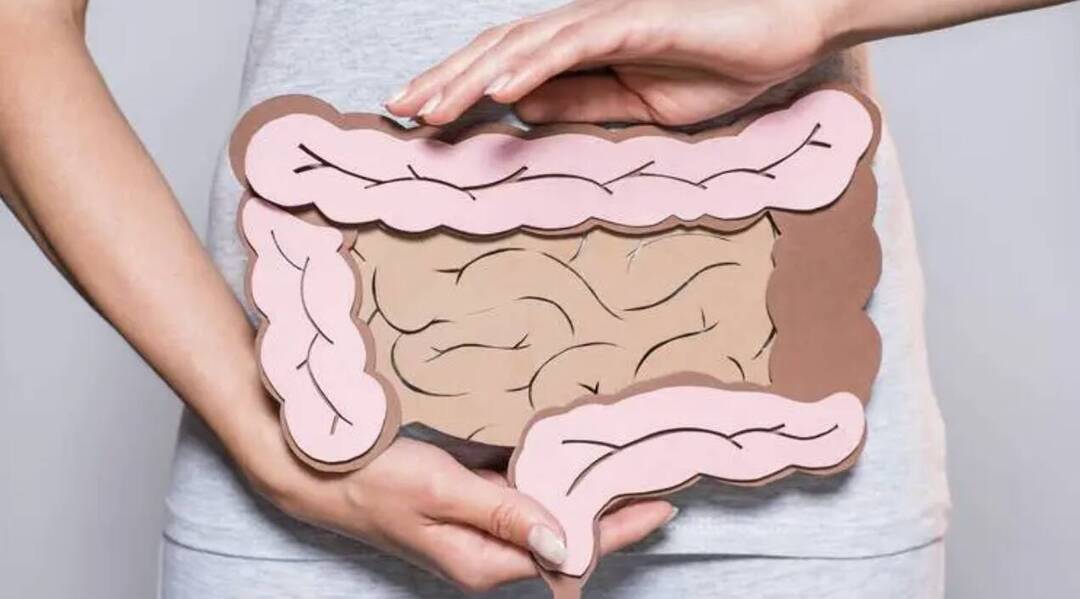
The human body is home to trillions of microorganisms, with the gut microbiome being one of the most diverse and complex ecosystems. The gut microbiome plays a crucial role in our overall health, influencing everything from digestion and immune function to mental health and even cognitive function. While we have long known that factors such as diet, environment, and lifestyle can impact the gut microbiome, a recent study has shed new light on the role of genetics in shaping our gut bacteria. But what’s even more surprising is that the study found that the genes of individuals we live with can also influence our gut microbiome.
The study, which was conducted in rats, found that three genetic regions were associated with changes in the gut microbiome. One of these genetic regions, St6galnac1, was linked to higher levels of a sugar-feeding bacterium called Paraprevotella. This suggests that genetic effects can spread socially, indirectly impacting others’ health without the need for DNA exchange. In other words, the genes of our roommates or family members can influence our gut microbiome, even if we don’t share the same DNA.
This study has significant implications for our understanding of the complex relationships between genetics, environment, and health. It suggests that the people we live with can have a profound impact on our health, even if we don’t realize it. For example, if someone in your household has a genetic predisposition to a certain type of gut bacteria, it could potentially influence the balance of your own gut microbiome.
But how exactly do the genes of our roommates influence our gut microbiome? The study found that the genetic regions associated with changes in the gut microbiome were involved in the production of certain molecules that are used by gut bacteria to communicate with each other and with their host. These molecules, known as glycosaminoglycans, play a crucial role in shaping the balance of the gut microbiome. When the genes responsible for producing these molecules are altered, it can have a ripple effect on the entire ecosystem of the gut.
The study also found that the influence of roommate genes on the gut microbiome was not limited to direct contact between individuals. Even when rats were housed in separate cages but shared the same environment, the genes of their roommates still had an impact on their gut microbiome. This suggests that the effects of roommate genes on the gut microbiome can be spread through environmental factors, such as shared food, water, or air.
The implications of this study are far-reaching and have significant potential for improving human health. For example, it suggests that genetic testing could be used to identify individuals who are at risk of developing certain diseases or conditions based on the balance of their gut microbiome. It also highlights the importance of considering the social and environmental context in which we live when trying to understand the complex relationships between genetics, environment, and health.
Furthermore, this study has significant implications for the development of personalized medicine. If the genes of our roommates can influence our gut microbiome, it suggests that personalized medicine approaches that take into account an individual’s genetic profile may need to be expanded to include the genetic profiles of those they live with. This could involve developing new diagnostic tools that can detect changes in the gut microbiome associated with roommate genes, as well as new therapeutic approaches that target the social and environmental factors that influence the balance of the gut microbiome.
In conclusion, the study’s findings that the genes of roommates can influence the gut microbiome is a significant breakthrough in our understanding of the complex relationships between genetics, environment, and health. It highlights the importance of considering the social and environmental context in which we live when trying to understand the balance of our gut microbiome and has significant implications for the development of personalized medicine approaches. As we continue to learn more about the intricate relationships between our genes, environment, and health, we may uncover even more surprising ways in which our roommates’ genes can influence our overall well-being.
News source: https://www.sciencedaily.com/releases/2025/12/251223043938.htm
About the Author