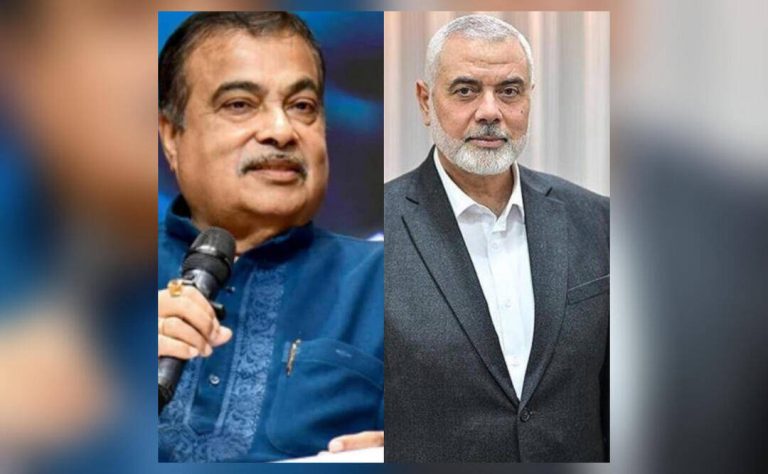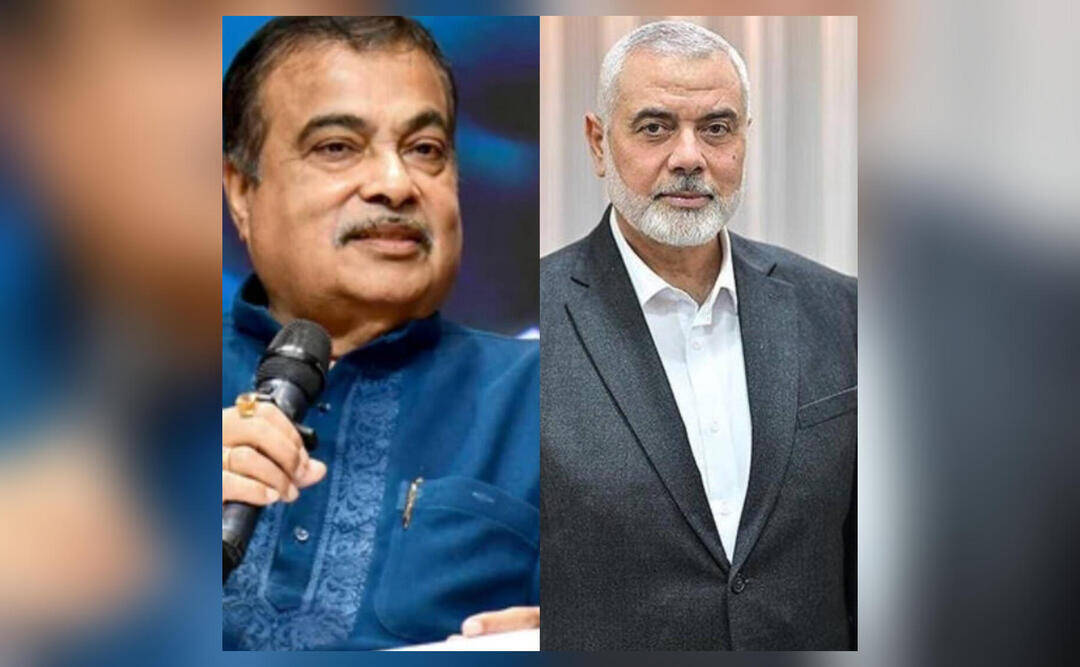
Nitin Gadkari says he met Hamas leader Ismail Haniyeh hours before his murder in Iran
In a shocking revelation, Union Minister Nitin Gadkari has disclosed that he met with Hamas political chief Ismail Haniyeh in Tehran, Iran, just hours before the latter’s assassination in 2024. The meeting took place when both Gadkari and Haniyeh were in attendance at the inauguration of Masoud Pezeshkian, a prominent Iranian politician. This astonishing claim has sent shockwaves throughout the international community, raising questions about the circumstances surrounding Haniyeh’s murder and the potential implications for global politics.
According to Gadkari, the meeting with Haniyeh was a cordial one, with the two discussing various topics of mutual interest. After the inauguration ceremony, Gadkari returned to his hotel, unaware of the tragic events that were about to unfold. It was only later, when the Indian ambassador informed him of the assassination, that Gadkari realized the gravity of the situation. The ambassador reportedly told Gadkari that they would have to leave the country immediately due to the sensitive nature of the incident.
The assassination of Ismail Haniyeh has been attributed to the Israeli intelligence agency, Mossad, although the exact circumstances and motivations behind the killing are still shrouded in mystery. The Iranian Revolutionary Guard Corps (IRGC) has also been implicated in the incident, with some reports suggesting that they may have played a role in the events leading up to Haniyeh’s death. As the investigation into the assassination continues, the international community remains on high alert, with many nations condemning the killing and calling for calm and restraint.
Gadkari’s revelation has sparked widespread interest and debate, with many wondering about the significance of the meeting between the Indian minister and the Hamas leader. While the exact nature and purpose of the meeting are still unclear, it is evident that the encounter was a significant one, given the high-profile status of both individuals. The fact that Gadkari was in Iran for the inauguration of Masoud Pezeshkian, a key figure in Iranian politics, suggests that the meeting may have been part of a broader diplomatic effort to strengthen ties between India and Iran.
The assassination of Ismail Haniyeh has also raised concerns about the stability of the region and the potential for further violence and unrest. As a major player in the Middle East, Iran’s relations with other nations, including India, are crucial in maintaining regional balance and promoting peace. The fact that Gadkari was in Tehran at the time of the assassination highlights the complex and often delicate nature of international diplomacy, where the actions and decisions of individual leaders can have far-reaching consequences.
In the aftermath of the assassination, the Indian government has been quick to condemn the killing and express its condolences to the people of Palestine and the Hamas organization. The government has also emphasized its commitment to maintaining good relations with Iran and promoting regional stability, while also acknowledging the need for a thorough investigation into the circumstances surrounding Haniyeh’s death.
As the world continues to grapple with the implications of the assassination, Gadkari’s revelation has added a new layer of complexity to the story. The fact that the Indian minister met with Haniyeh just hours before his murder raises questions about the potential involvement of other nations and actors in the incident. While the exact details of the meeting and its significance are still unclear, it is evident that the encounter was a significant one, with potential implications for international relations and global politics.
In conclusion, the revelation by Union Minister Nitin Gadkari that he met with Hamas leader Ismail Haniyeh hours before his assassination in Iran has sent shockwaves throughout the international community. The incident has raised questions about the circumstances surrounding Haniyeh’s death and the potential implications for global politics. As the investigation into the assassination continues, it is essential to consider the complex and often delicate nature of international diplomacy, where the actions and decisions of individual leaders can have far-reaching consequences.
About the Author