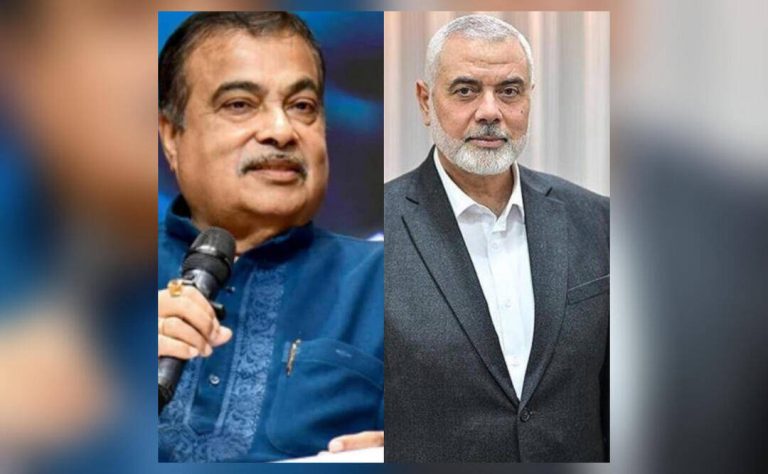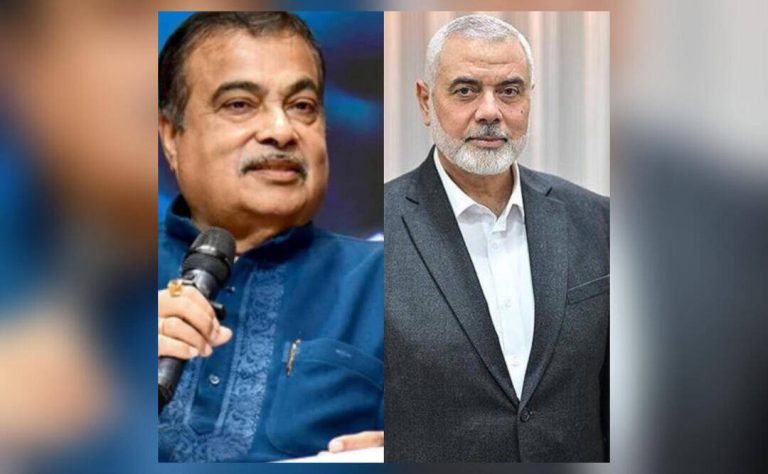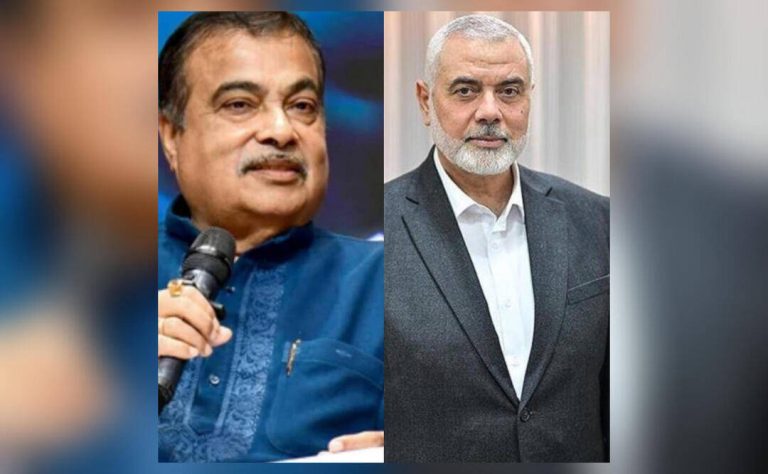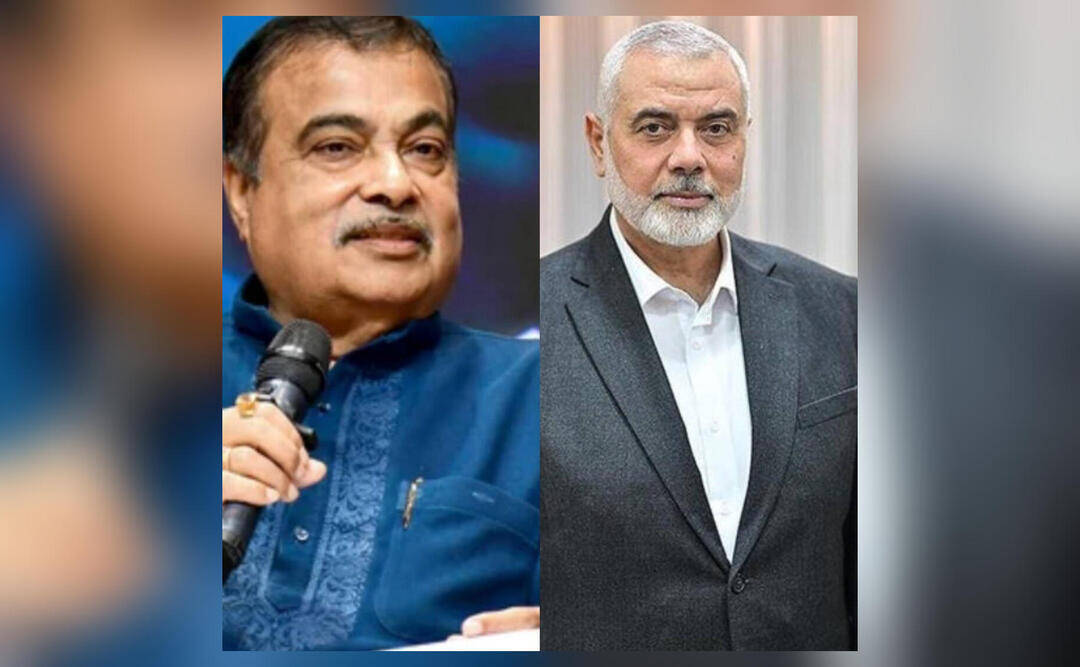
Nitin Gadkari says he met Hamas leader Ismail Haniyeh hours before his murder in Iran
In a shocking revelation, Union Minister Nitin Gadkari disclosed that he met Hamas political chief Ismail Haniyeh in Tehran, just hours before the latter’s assassination in 2024. The meeting took place when both Gadkari and Haniyeh were in Iran to attend the inauguration of Masoud Pezeshkian, a significant event that brought together various dignitaries from around the world.
According to Gadkari, after attending the ceremony, he returned to his hotel, unaware of the dramatic events that were about to unfold. It was only later, when the Indian ambassador informed him that they would have to leave the country immediately, that Gadkari learned about the assassination of Ismail Haniyeh. The news sent shockwaves around the world, and Gadkari’s revelation has added a new layer of intrigue to the already complex situation.
The assassination of Ismail Haniyeh has been attributed to various factors, with some pointing to the involvement of Israeli intelligence agency Mossad, while others suggest that the Iranian Revolutionary Guard Corps (IRGC) may have had a hand in the killing. The incident has sparked a diplomatic row between Israel and Iran, with both countries denying any involvement in the assassination.
Gadkari’s meeting with Haniyeh has raised several questions about the circumstances surrounding the assassination. The fact that the two met just hours before the killing suggests that Haniyeh may have been a target for some time, and that his presence in Iran was not a secret. The meeting also implies that there may have been a level of communication and coordination between Indian officials and Hamas leaders, which could have significant implications for India’s foreign policy in the region.
The revelation has also sparked a debate about the role of India in the Middle East peace process. As a country with diplomatic relations with both Israel and Palestine, India has long been seen as a neutral player in the conflict. However, Gadkari’s meeting with Haniyeh suggests that India may be taking a more active role in engaging with Palestinian leaders, which could potentially upset the delicate balance of power in the region.
The assassination of Ismail Haniyeh has also highlighted the growing tensions between Israel and Iran, which have been at odds over various issues, including Iran’s nuclear program and its support for militant groups in the region. The killing has been seen as a significant escalation of the conflict, and has raised concerns about the potential for further violence and instability in the region.
In the aftermath of the assassination, there have been widespread condemnations from around the world, with many countries calling for restraint and calm. The United Nations has also issued a statement urging all parties to avoid any actions that could exacerbate the situation, and to work towards a peaceful resolution of the conflict.
As the investigation into the assassination continues, Gadkari’s revelation has added a new layer of complexity to the situation. The fact that he met with Haniyeh just hours before the killing has raised questions about the circumstances surrounding the assassination, and has sparked a debate about the role of India in the Middle East peace process.
In conclusion, the assassination of Ismail Haniyeh has sent shockwaves around the world, and has highlighted the growing tensions between Israel and Iran. Gadkari’s revelation that he met with Haniyeh just hours before the killing has added a new layer of intrigue to the situation, and has raised questions about the circumstances surrounding the assassination. As the investigation continues, it is clear that the situation in the Middle East will remain volatile and unpredictable, and that the international community will need to work together to find a peaceful resolution to the conflict.
About the Author