Genes of Roommates Can Influence Gut Microbiome: Study
The human gut microbiome is a complex ecosystem composed of trillions of microorganisms that play a crucial role in our overall health and wellbeing. These microorganisms are influenced by a variety of factors, including diet, lifestyle, and environment. However, a recent study has shed new light on the impact of genetics on the gut microbiome, suggesting that the genes of individuals we live with can have a significant influence on the composition of our gut bacteria.
The study, which was conducted in rats, found that the genetic makeup of roommates can affect the gut microbiome, even in the absence of DNA exchange. This means that the genes of individuals we live with can indirectly impact our health, without us even realizing it. The researchers identified three genetic regions that affect the gut bacteria, with one gene in particular, St6galnac1, linked to higher levels of a sugar-feeding bacterium called Paraprevotella.
The study’s findings have significant implications for our understanding of the complex interactions between genetics, environment, and the gut microbiome. It suggests that the genetic effects of those around us can spread socially, influencing our health in subtle but important ways. This raises interesting questions about the role of genetics in shaping our microbial communities and the potential consequences for our health.
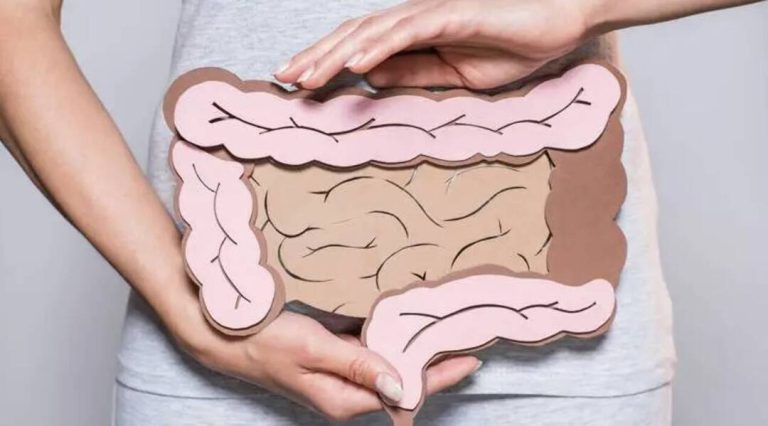
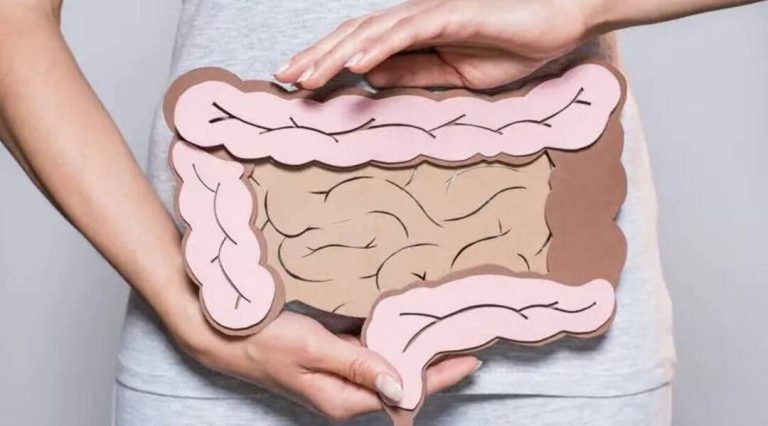
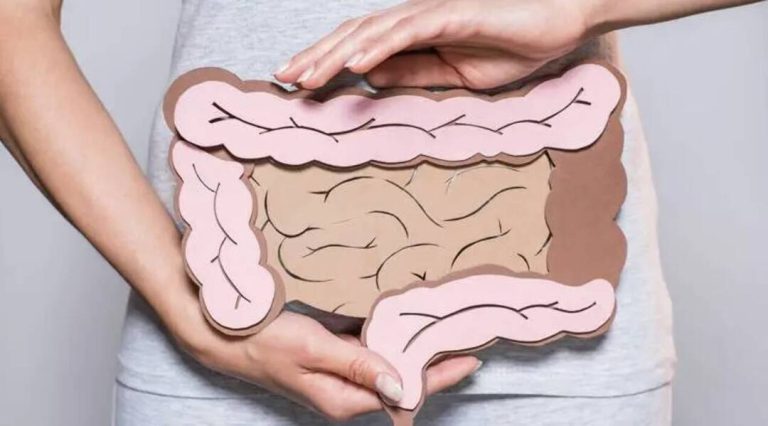
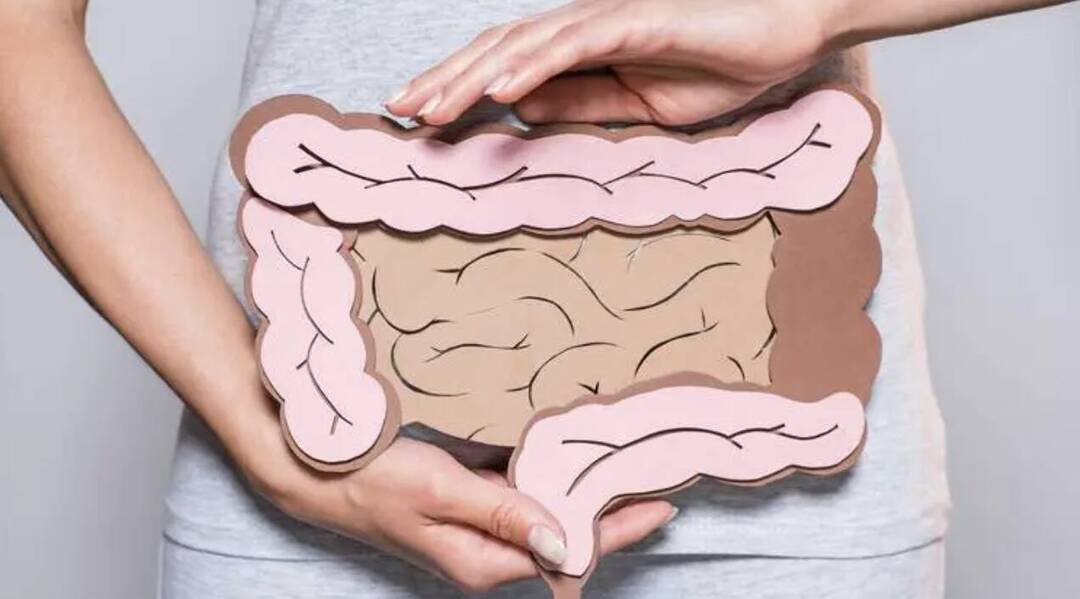
To understand the study’s findings, let’s first take a closer look at the gut microbiome and its importance for our health. The gut microbiome is composed of a diverse array of microorganisms, including bacteria, viruses, and fungi, that live in the gastrointestinal tract. These microorganisms play a crucial role in a range of physiological processes, including digestion, immune function, and the production of certain vitamins.
The gut microbiome is also closely linked to our overall health and wellbeing, with imbalances in the microbiome, also known as dysbiosis, associated with a range of diseases, including inflammatory bowel disease, obesity, and mental health disorders. Factors such as diet, stress, and lifestyle can all impact the composition of the gut microbiome, but the role of genetics has been less well understood.
The study’s findings suggest that the genes of individuals we live with can influence the composition of our gut microbiome, even in the absence of DNA exchange. This means that the genetic effects of those around us can spread socially, indirectly impacting our health. The researchers used a combination of genetic and microbiome analysis to identify the genetic regions associated with changes in the gut microbiome.
The study found that the gene St6galnac1 was linked to higher levels of Paraprevotella, a sugar-feeding bacterium. This suggests that the genetic makeup of roommates can influence the types of microorganisms that thrive in the gut, with potential consequences for our health. The study’s findings also raise interesting questions about the role of genetics in shaping our microbial communities and the potential consequences for our health.
The implications of the study’s findings are significant, suggesting that the genetic effects of those around us can have a profound impact on our health. This raises important questions about the role of genetics in shaping our microbial communities and the potential consequences for our health. It also highlights the importance of considering the social and environmental factors that influence our health, in addition to our individual genetic makeup.
In conclusion, the study’s findings suggest that the genes of roommates can influence the gut microbiome, even in the absence of DNA exchange. This means that the genetic effects of those around us can spread socially, indirectly impacting our health. The study’s findings have significant implications for our understanding of the complex interactions between genetics, environment, and the gut microbiome, and highlight the importance of considering the social and environmental factors that influence our health.
As we continue to learn more about the complex interactions between genetics, environment, and the gut microbiome, it is clear that the study’s findings will have a significant impact on our understanding of human health and disease. The study’s findings also raise important questions about the potential consequences of the genetic effects of those around us on our health, and highlight the need for further research into this area.
In the meantime, there are several steps that individuals can take to support the health of their gut microbiome. These include eating a balanced diet rich in fruits, vegetables, and whole grains, staying hydrated, and getting regular exercise. It is also important to manage stress, as chronic stress can have a negative impact on the gut microbiome.
Overall, the study’s findings highlight the complex and multifaceted nature of human health, and the importance of considering the social and environmental factors that influence our wellbeing. As we continue to learn more about the interactions between genetics, environment, and the gut microbiome, it is clear that this research will have a significant impact on our understanding of human health and disease.
News Source: https://www.sciencedaily.com/releases/2025/12/251223043938.htm
About the Author