Genes of Roommates Can Influence Gut Microbiome: Study
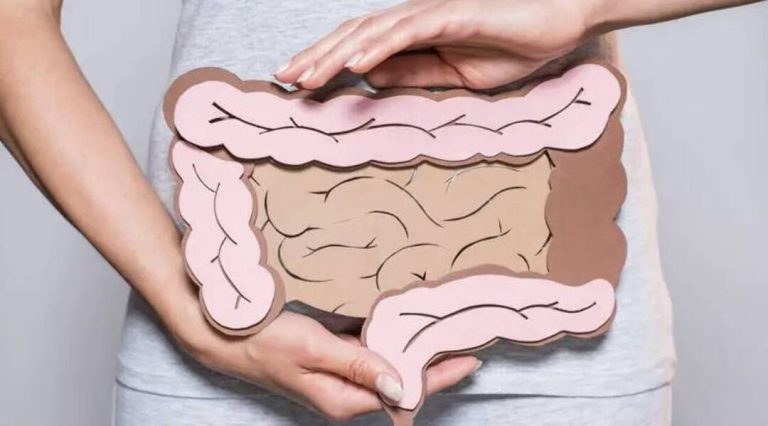
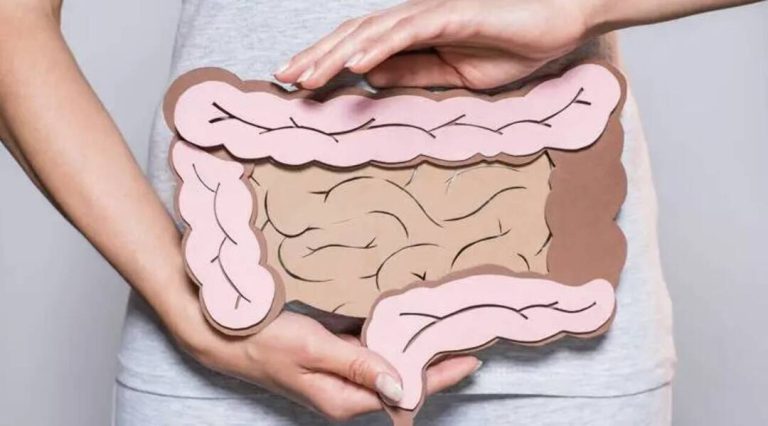
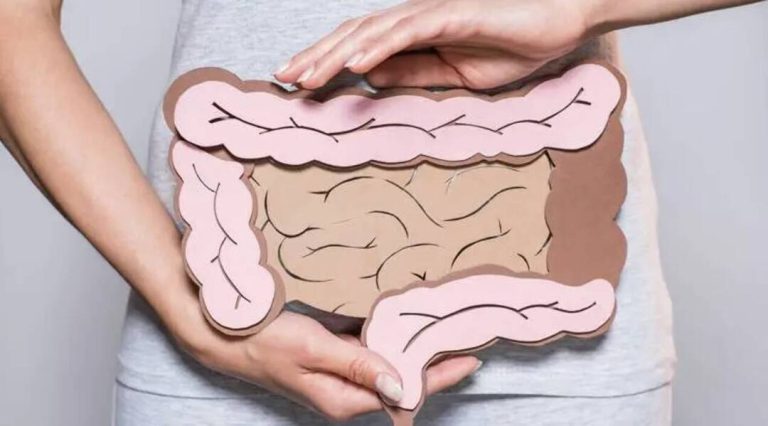
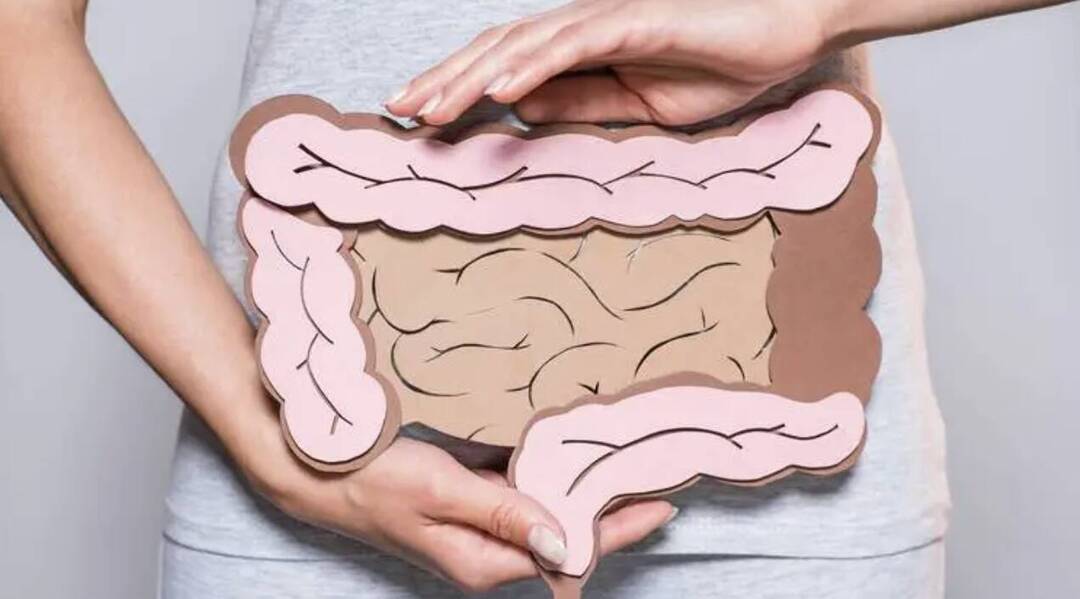
The human gut microbiome is a complex ecosystem that plays a crucial role in our overall health and wellbeing. Composed of trillions of microorganisms, the gut microbiome is responsible for everything from digesting food to regulating our immune system. While factors such as diet, lifestyle, and environment have been shown to influence the gut microbiome, a recent study has made a groundbreaking discovery that suggests the genes of individuals we live with can also have an impact.
The study, conducted in rats, found that the genes of roommates can influence the gut bacteria of others, even in the absence of DNA exchange. This suggests that genetic effects can spread socially, indirectly impacting the health of others. The research team identified three genetic regions that affect the gut microbiome, with one gene in particular, St6galnac1, linked to higher levels of a sugar-feeding bacterium called Paraprevotella.
To understand the significance of this study, let’s first take a closer look at the gut microbiome. The gut microbiome is a delicate balance of different microorganisms, including bacteria, viruses, and fungi. When this balance is disrupted, it can lead to a range of health problems, including digestive issues, autoimmune diseases, and even mental health disorders. Factors such as diet, stress, and exposure to antibiotics can all impact the gut microbiome, but the role of genetics has been less clear.
The study, which was conducted by a team of researchers, used rats to investigate the impact of genetics on the gut microbiome. The researchers took a group of rats and paired them up as roommates, allowing them to live together for a period of time. They then analyzed the gut microbiome of each rat, looking for any changes that may have occurred as a result of living together.
The results were surprising. The researchers found that the genes of the roommates had a significant impact on the gut microbiome of each rat. Specifically, they identified three genetic regions that affected the types of bacteria present in the gut. One of these regions was associated with the gene St6galnac1, which was linked to higher levels of Paraprevotella, a sugar-feeding bacterium.
So, what does this mean for humans? While the study was conducted in rats, the implications are significant. The fact that the genes of roommates can influence the gut microbiome suggests that genetic effects can spread socially, without the need for DNA exchange. This means that the people we live with can have an indirect impact on our health, even if we don’t share the same DNA.
The study’s findings also have important implications for our understanding of the gut-brain axis. The gut microbiome produces a range of neurotransmitters and hormones that can influence our mood, behavior, and cognitive function. If the genes of roommates can influence the gut microbiome, it’s possible that they could also impact our mental health and wellbeing.
Furthermore, the study highlights the importance of considering the social environment when it comes to health. We often think of health as an individual issue, but this research suggests that the people we live with can have a significant impact on our wellbeing. This has important implications for public health policy, particularly when it comes to designing living spaces and communities that promote healthy social interactions.
In conclusion, the study’s findings are a significant breakthrough in our understanding of the gut microbiome and its relationship to genetics and social environment. The fact that the genes of roommates can influence the gut microbiome suggests that genetic effects can spread socially, indirectly impacting the health of others. As we continue to learn more about the complex relationships between genetics, environment, and health, it’s clear that the gut microbiome will play a critical role in our understanding of human health and wellbeing.
For more information on this study, visit: https://www.sciencedaily.com/releases/2025/12/251223043938.htm
About the Author