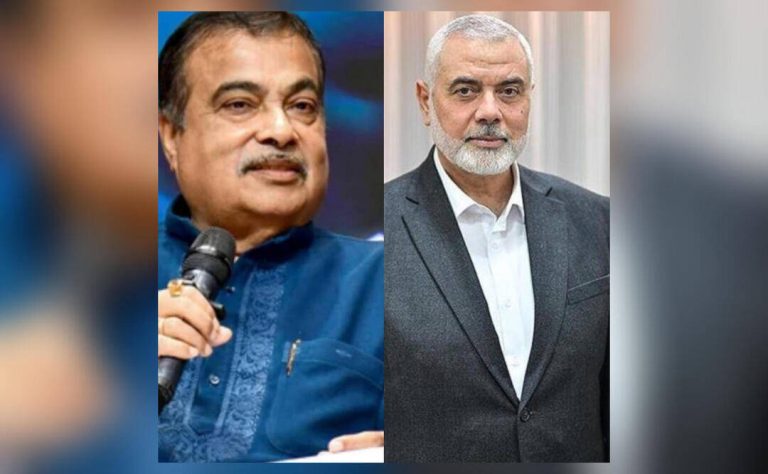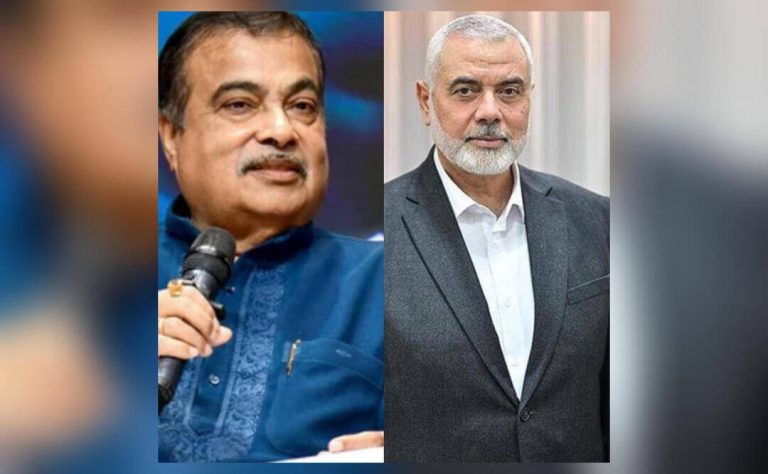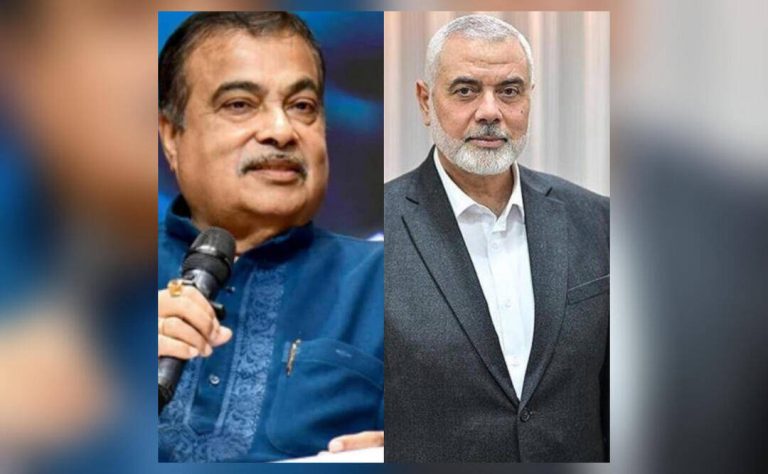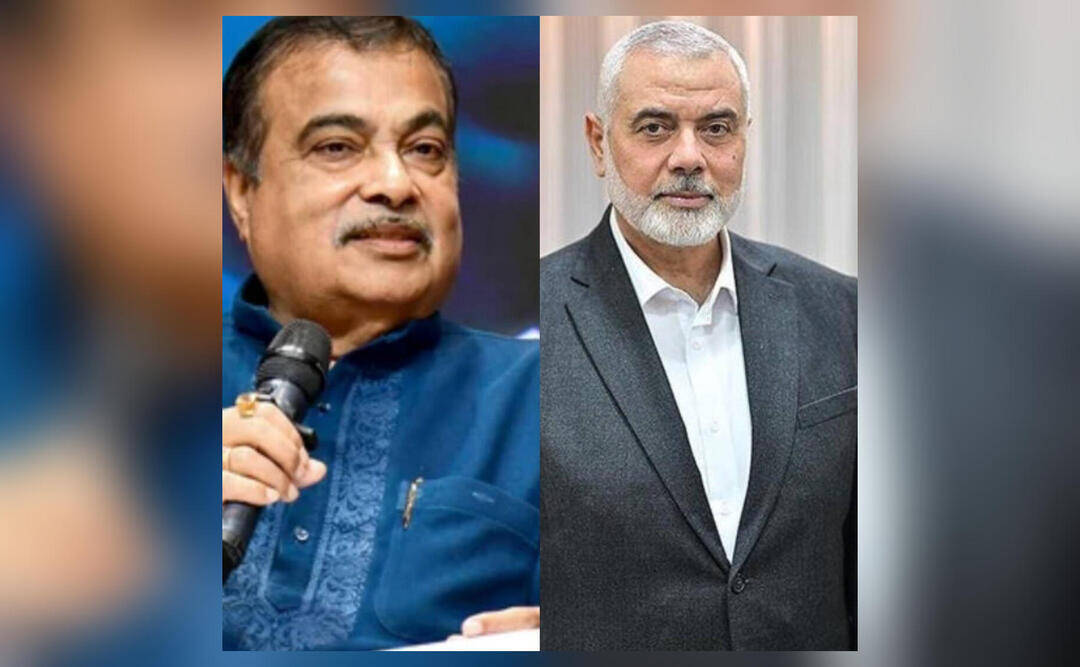
Nitin Gadkari says he met Hamas leader Ismail Haniyeh hours before his murder in Iran
In a shocking revelation, Union Minister Nitin Gadkari has disclosed that he met Hamas political chief Ismail Haniyeh in Tehran, just hours before the latter was assassinated in 2024. The two leaders were both in attendance at the inauguration of Masoud Pezeshkian, and it was during this event that they had a brief encounter. According to Gadkari, after the ceremony, he returned to his hotel, only to be informed by the Indian ambassador that they would have to leave immediately due to the sudden and unexpected assassination of Haniyeh.
This stunning claim has sent shockwaves around the world, and has raised many questions about the circumstances surrounding Haniyeh’s murder. The fact that a high-ranking Indian minister had a meeting with the Hamas leader just hours before his death has sparked intense interest and speculation. The details of the meeting and the events that followed are still emerging, but one thing is clear: this is a major diplomatic incident that will have far-reaching implications.
Gadkari’s revelation has also shed light on the complex and often secretive world of international diplomacy. The fact that he was able to meet with Haniyeh, a leader of a militant organization, in a country like Iran, which is known for its tense relations with the West, is a testament to the intricate web of alliances and rivalries that exist in the world of global politics. It also highlights the delicate balancing act that countries like India must perform in order to maintain good relations with multiple nations and factions.
The assassination of Ismail Haniyeh has been widely condemned by countries around the world, and has been blamed on Israeli intelligence agency Mossad. The incident has sparked a wave of outrage and protests in the Middle East, and has raised fears of a wider conflict in the region. The Iranian government has vowed to take revenge for the killing, and has accused Israel of being behind the attack.
The meeting between Gadkari and Haniyeh has also raised questions about India’s relationship with Hamas and the Palestinian Authority. While India has traditionally been a strong supporter of the Palestinian cause, its relations with Hamas have been more complicated. The Indian government has in the past condemned Hamas’s militant activities, but has also maintained a dialogue with the organization in an effort to promote peace and stability in the region.
Gadkari’s revelation has also sparked a debate about the role of India in international diplomacy. As a rising global power, India is increasingly being called upon to play a more active role in resolving conflicts and promoting peace around the world. The fact that a senior Indian minister was able to meet with a Hamas leader just hours before his assassination highlights the complexity and challenges of this role.
In conclusion, the revelation by Nitin Gadkari that he met Hamas leader Ismail Haniyeh hours before his murder in Iran is a major diplomatic incident that will have far-reaching implications. The details of the meeting and the events that followed are still emerging, but one thing is clear: this is a complex and sensitive issue that will require careful handling by the Indian government and other stakeholders. As the situation continues to unfold, it is essential to stay informed and up-to-date on the latest developments.
About the Author