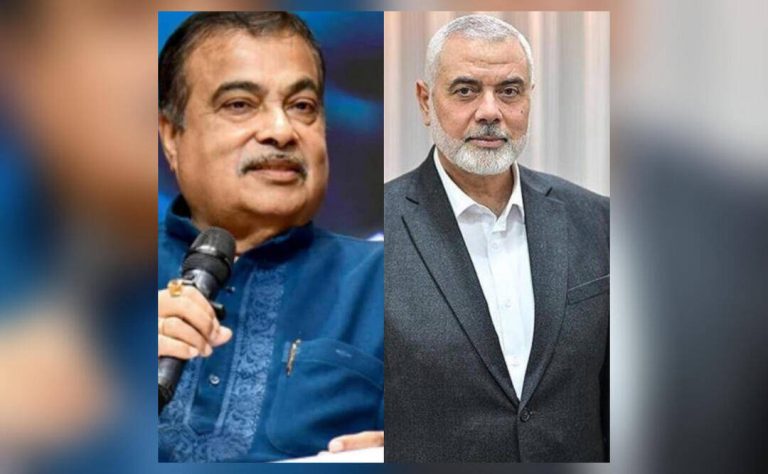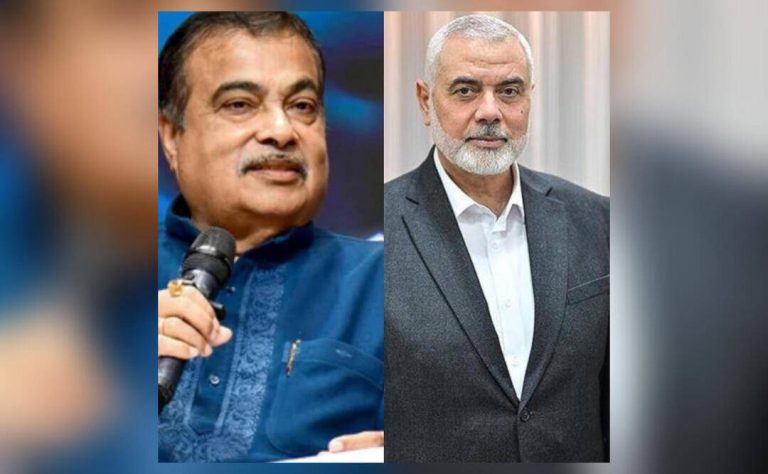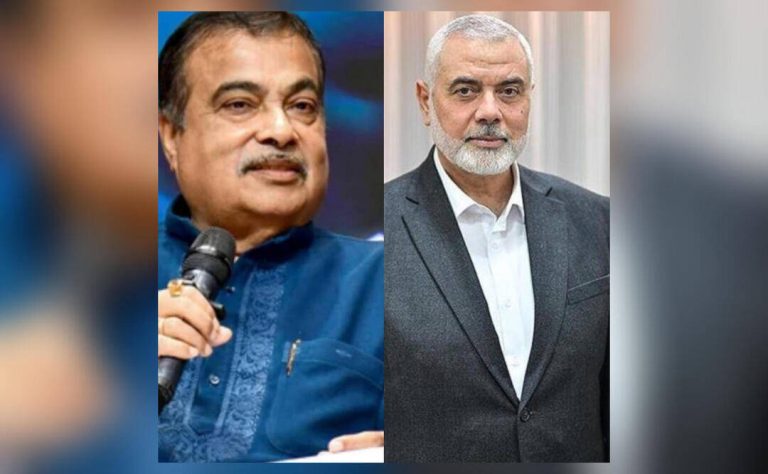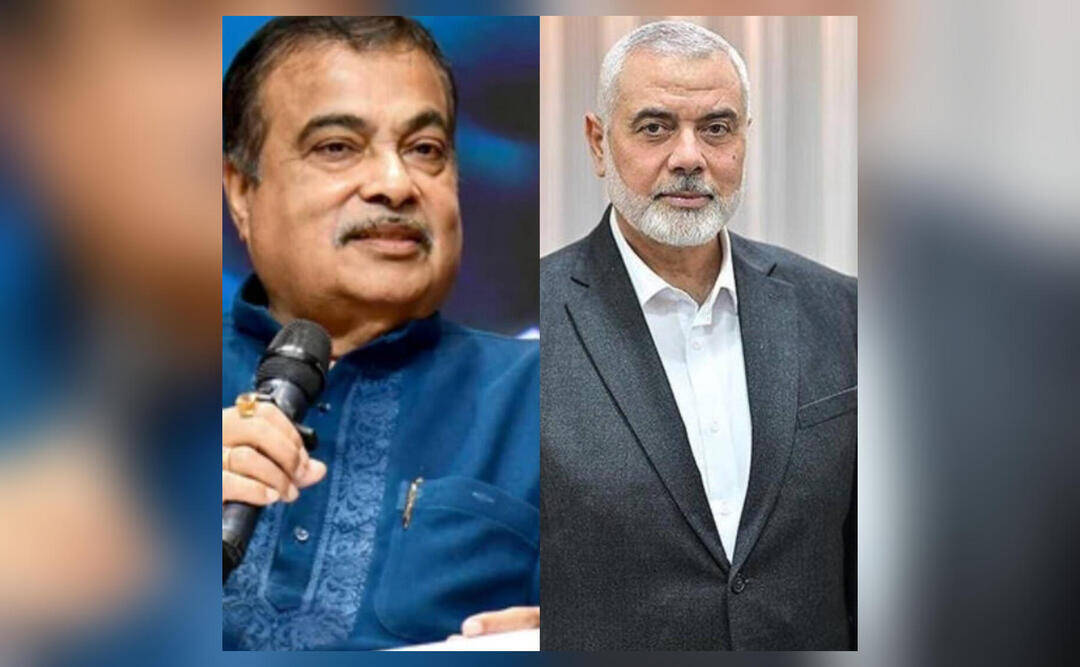
Nitin Gadkari says he met Hamas leader Ismail Haniyeh hours before his murder in Iran
In a shocking revelation, Union Minister Nitin Gadkari has disclosed that he met Hamas political chief Ismail Haniyeh in Tehran, just hours before the latter’s assassination in 2024. This unexpected encounter has sent shockwaves across the globe, and has raised several questions about the circumstances surrounding Haniyeh’s murder.
According to Gadkari, he and Haniyeh were both in attendance at the inauguration of Masoud Pezeshkian, a prominent Iranian politician, in Tehran. The event was a significant one, with several high-profile dignitaries from across the world in attendance. Gadkari, who is known for his diplomatic efforts, had traveled to Iran to strengthen ties between India and Iran.
After the ceremony, Gadkari revealed that he returned to his hotel, unaware of the dramatic events that were about to unfold. It was only later, when the Indian ambassador to Iran contacted him, that he learned of Haniyeh’s assassination. The ambassador informed Gadkari that they would have to leave the country immediately, due to the sensitive nature of the situation.
Gadkari’s meeting with Haniyeh has sparked widespread interest, with many speculating about the possible implications of this encounter. The fact that the two leaders met just hours before Haniyeh’s murder has raised questions about the motives behind the assassination, and whether Gadkari’s presence in Tehran was in any way connected to the events that unfolded.
The assassination of Ismail Haniyeh has been attributed to the Israeli intelligence agency, Mossad, although the Iranian government has also pointed fingers at the Israeli-backed IRGC (Islamic Revolutionary Guard Corps). The killing has been widely condemned, with many world leaders expressing their outrage and sadness at the loss of life.
Gadkari’s revelation has also sparked a debate about India’s role in the Middle East, and its relationships with various countries in the region. India has long maintained a delicate balance in its diplomatic efforts, seeking to strengthen ties with both Israel and Iran, while also navigating the complex web of alliances and rivalries in the region.
The meeting between Gadkari and Haniyeh is significant, as it highlights the complex and often secretive nature of international diplomacy. The fact that the two leaders were able to meet in person, despite the many challenges and obstacles that exist in the region, is a testament to the power of diplomacy and the importance of building relationships between nations.
As the investigation into Haniyeh’s assassination continues, many questions remain unanswered. What was the motive behind the killing? Was Gadkari’s meeting with Haniyeh in any way connected to the events that unfolded? And what implications will this have for India’s relationships with Iran, Israel, and other countries in the region?
Only time will tell, as the world continues to grapple with the aftermath of this shocking assassination. One thing is certain, however: the meeting between Gadkari and Haniyeh will go down in history as a significant and intriguing event, one that will be studied and analyzed by diplomats and scholars for years to come.
In conclusion, the revelation by Union Minister Nitin Gadkari that he met Hamas leader Ismail Haniyeh hours before his murder in Iran is a shocking and significant development. As the world continues to navigate the complex and often treacherous landscape of international diplomacy, this event serves as a reminder of the importance of building relationships and fostering dialogue between nations.
About the Author