Genes of Roommates Can Influence Gut Microbiome: Study
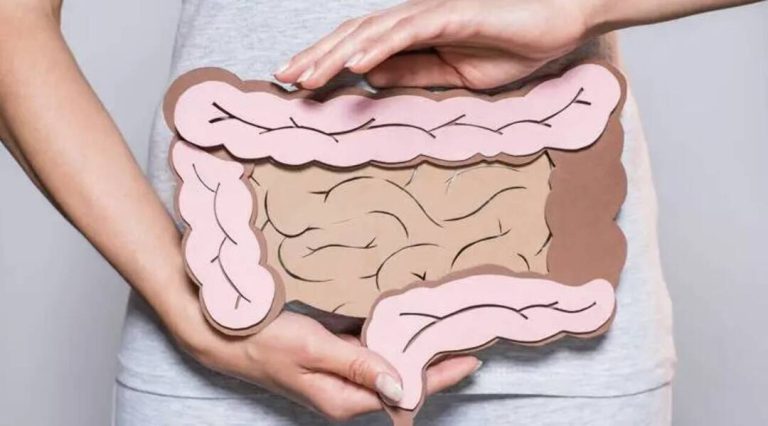
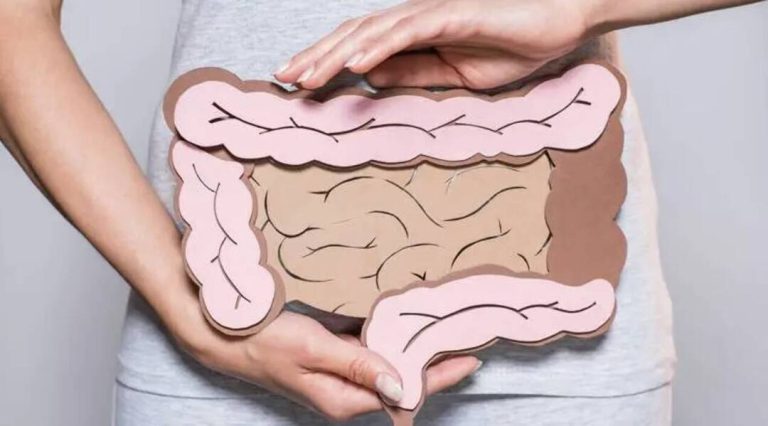
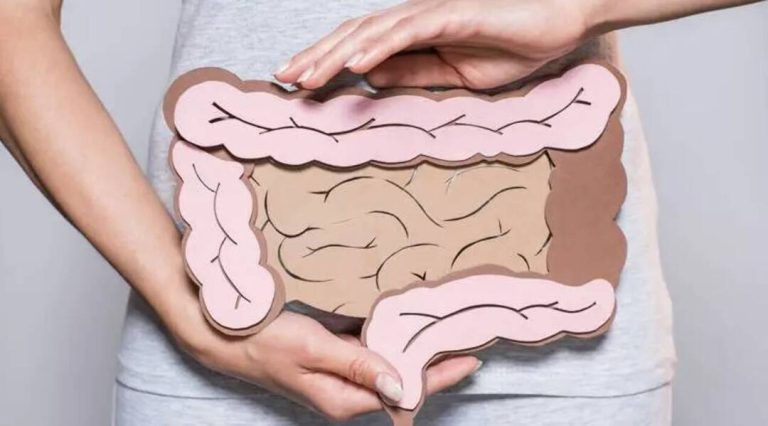
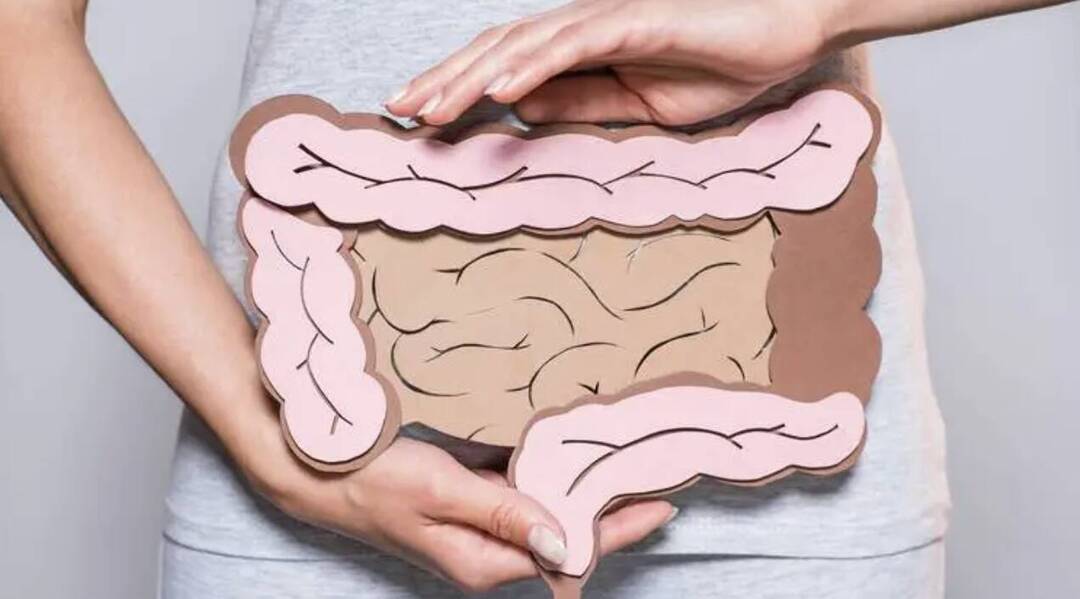
The human gut microbiome is a complex ecosystem composed of trillions of microorganisms that play a crucial role in our overall health and wellbeing. These microorganisms, including bacteria, viruses, and fungi, help to digest food, regulate the immune system, and even produce certain vitamins. However, the factors that influence the composition of the gut microbiome are not yet fully understood. A recent study has shed new light on this topic, suggesting that a person’s gut bacteria can be influenced by the genes of individuals they live with.
The study, which was conducted in rats, found that the genetic makeup of an individual’s roommates can have a significant impact on the composition of their gut microbiome. The researchers identified three genetic regions that affect the gut bacteria of rats that live together, even if they are not genetically related. This suggests that genetic effects can spread socially, indirectly impacting the health of others without the need for DNA exchange.
One of the key genes identified in the study was St6galnac1, which was linked to higher levels of a sugar-feeding bacterium called Paraprevotella. This bacterium is known to play a role in the digestion of complex carbohydrates and can have a significant impact on the overall health of the gut microbiome. The study found that rats that lived with roommates who had the St6galnac1 gene had higher levels of Paraprevotella in their gut, even if they did not have the gene themselves.
This study has significant implications for our understanding of the factors that influence the gut microbiome. It suggests that the people we live with can have a profound impact on our health, even if we are not genetically related. This could be due to a variety of factors, including shared diet, lifestyle, and environmental factors. However, the study also suggests that there may be a genetic component to this effect, with certain genes influencing the composition of the gut microbiome in a social context.
The study’s findings also have implications for the development of personalized medicine. If the genes of an individual’s roommates can influence their gut microbiome, then this could be an important factor to consider when developing treatment plans for certain diseases. For example, if an individual has a roommate with a genetic predisposition to a certain disease, this could increase their own risk of developing the disease, even if they do not have the same genetic predisposition.
The study’s use of rats as a model organism also has implications for the field of microbiome research. Rats are often used in scientific studies because they are genetically similar to humans and can be easily manipulated in a laboratory setting. However, the study’s findings suggest that rats may also be a good model for studying the social factors that influence the gut microbiome. This could be an important area of research, as it could help us to better understand the complex interactions between genes, environment, and microbiome.
In conclusion, the study’s findings suggest that the genes of an individual’s roommates can have a significant impact on their gut microbiome. This could be due to a variety of factors, including shared diet, lifestyle, and environmental factors, as well as a genetic component. The study’s implications are significant, and could have a major impact on our understanding of the factors that influence the gut microbiome. As we continue to learn more about the complex interactions between genes, environment, and microbiome, we may uncover new and innovative ways to promote health and prevent disease.
The study’s findings also highlight the importance of considering the social context in which we live. The people we live with can have a profound impact on our health, and this could be due to a variety of factors, including genetic and environmental influences. As we move forward in our understanding of the gut microbiome, it will be important to consider the social factors that influence its composition and function.
Furthermore, the study’s findings could have implications for the development of new therapies and treatments. If the genes of an individual’s roommates can influence their gut microbiome, then this could be an important factor to consider when developing treatment plans for certain diseases. For example, if an individual has a roommate with a genetic predisposition to a certain disease, this could increase their own risk of developing the disease, even if they do not have the same genetic predisposition.
Overall, the study’s findings are a significant contribution to our understanding of the factors that influence the gut microbiome. The study’s use of rats as a model organism, combined with its focus on the social context in which we live, makes it a unique and important contribution to the field of microbiome research.
News Source: https://www.sciencedaily.com/releases/2025/12/251223043938.htm
About the Author