40% Pollution Linked to Our Sector: Transport Minister Gadkari
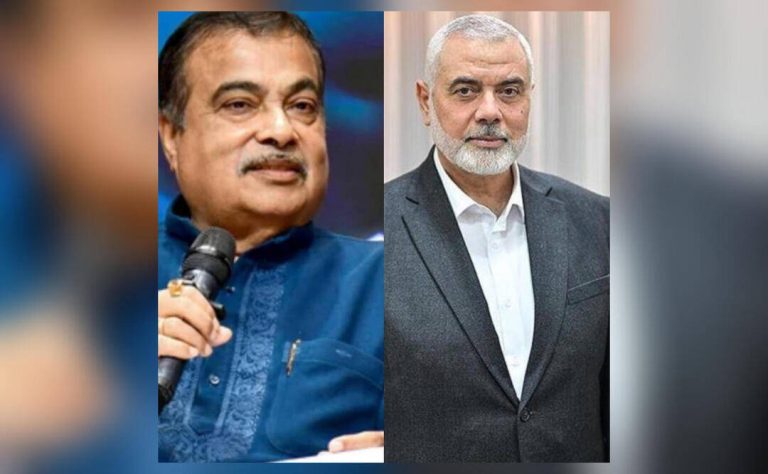
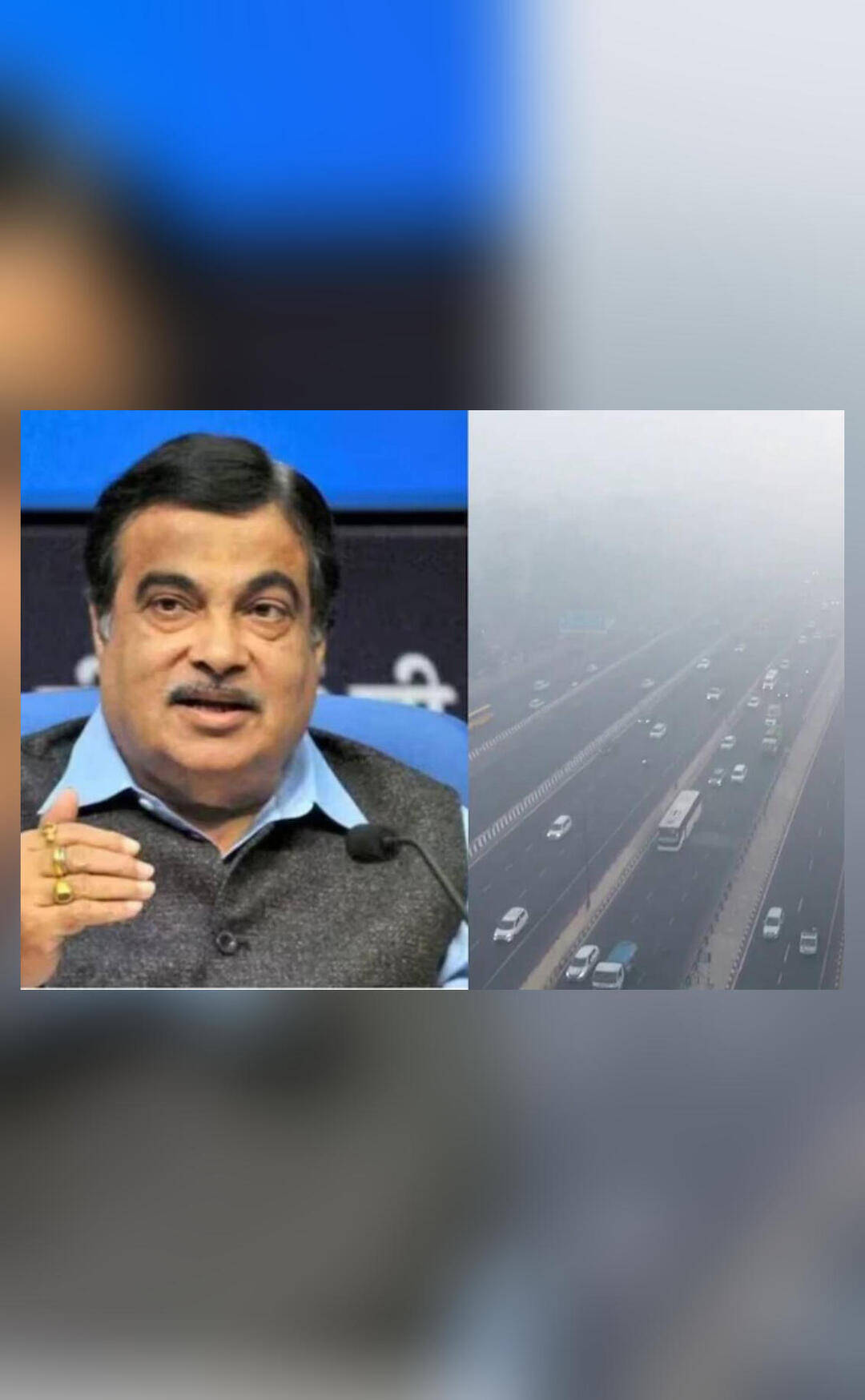
The issue of pollution has become a pressing concern in India, particularly in the national capital, Delhi. The city’s air quality has been a topic of discussion for quite some time now, with many experts and politicians weighing in on the matter. Recently, Union Transport Minister Nitin Gadkari spoke about the severity of the situation, revealing that even a short stay in Delhi can have adverse effects on his health. “I’m the Road Transport Minister, and around 40 per cent of pollution is linked to our sector,” he said, highlighting the significant contribution of the transport sector to the pollution problem.
Gadkari’s personal experience with Delhi’s pollution is a stark reminder of the severity of the issue. He stated that if he stays in Delhi for just two days, he develops a throat infection. This is a alarming revelation, especially considering that Gadkari is a high-ranking government official who has access to the best medical care. If someone like him can fall ill due to the poor air quality, it’s frightening to think about the impact on ordinary citizens, particularly those who are already vulnerable due to pre-existing medical conditions.
The Transport Minister’s admission that 40% of pollution is linked to the transport sector is a significant one. It highlights the need for urgent action to reduce the sector’s contribution to pollution. Gadkari’s statement is not just a acknowledgment of the problem, but also a call to action. He emphasized the need to reduce fossil fuel usage, which is a major contributor to pollution. “Fossil fuels are limited, and pollution is increasing. Can’t we reduce fossil fuel usage?” he asked, highlighting the urgent need for alternative solutions.
The transport sector is one of the largest consumers of fossil fuels, and it’s no surprise that it’s a significant contributor to pollution. With the increasing number of vehicles on the road, the demand for fossil fuels is only going to rise, leading to higher levels of pollution. However, as Gadkari pointed out, fossil fuels are limited, and it’s essential to explore alternative energy sources to reduce our dependence on them.
One possible solution is to promote the use of electric vehicles (EVs). EVs are a cleaner and more sustainable alternative to traditional fossil fuel-powered vehicles. They produce zero tailpipe emissions, which means they don’t contribute to air pollution. Additionally, EVs are also more energy-efficient, which can help reduce our reliance on fossil fuels. The government has already taken steps to promote the adoption of EVs, including offering incentives and investing in EV infrastructure. However, more needs to be done to encourage people to switch to EVs and to make them more affordable and accessible.
Another area that needs attention is public transport. Gadkari’s statement highlights the need to improve public transport systems, making them more efficient, reliable, and sustainable. This can be achieved by investing in modern, clean-energy buses and trains, and by promoting the use of non-motorized transport, such as cycling and walking. By providing people with alternative modes of transport, we can reduce the number of private vehicles on the road, which can help decrease pollution levels.
The issue of pollution is not just limited to Delhi; it’s a national problem that requires a coordinated effort to solve. The government, private sector, and civil society need to work together to address the root causes of pollution and to find sustainable solutions. As Gadkari pointed out, reducing fossil fuel usage is crucial to mitigating pollution. This can be achieved by promoting the use of alternative energy sources, improving energy efficiency, and encouraging sustainable practices.
In conclusion, the Transport Minister’s statement is a wake-up call for all of us. It highlights the urgent need to address the issue of pollution and to take concrete steps to reduce our reliance on fossil fuels. The transport sector has a significant role to play in this effort, and it’s essential that we work together to find sustainable solutions. By promoting the use of electric vehicles, improving public transport systems, and encouraging sustainable practices, we can reduce pollution levels and create a healthier, more sustainable environment for everyone.
About the Author