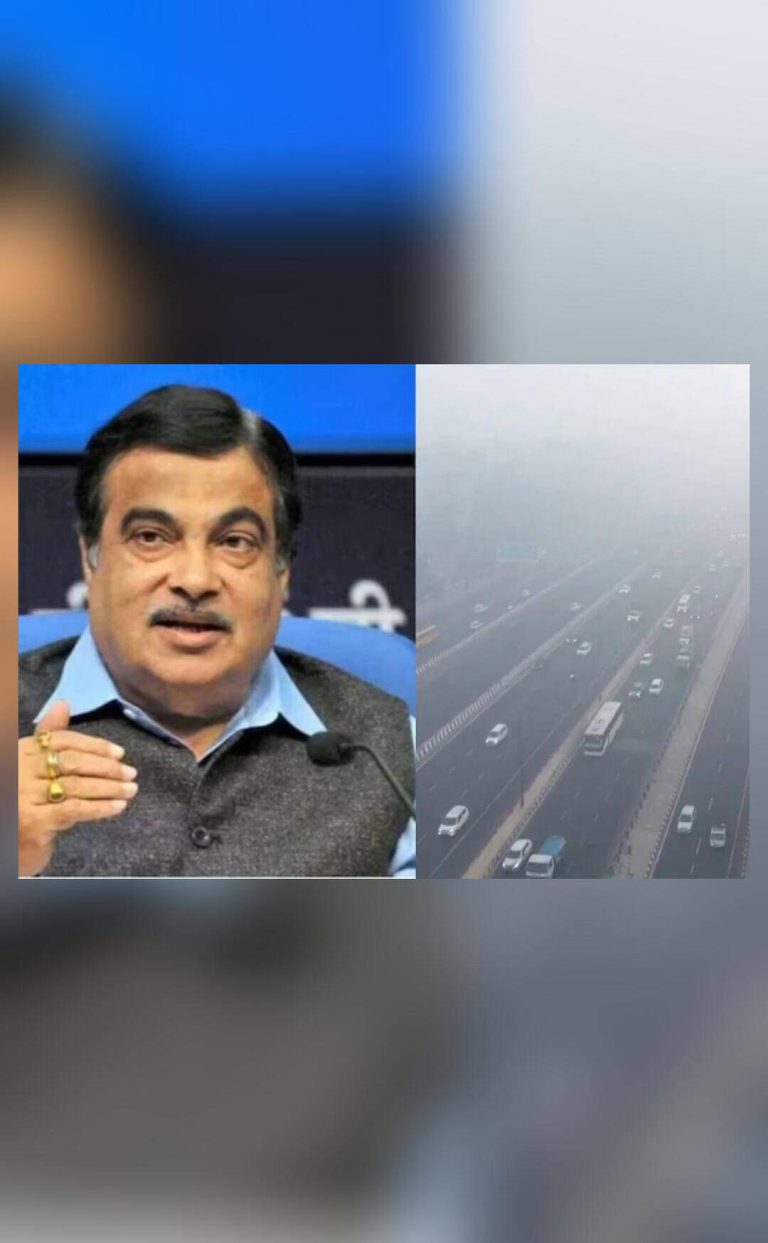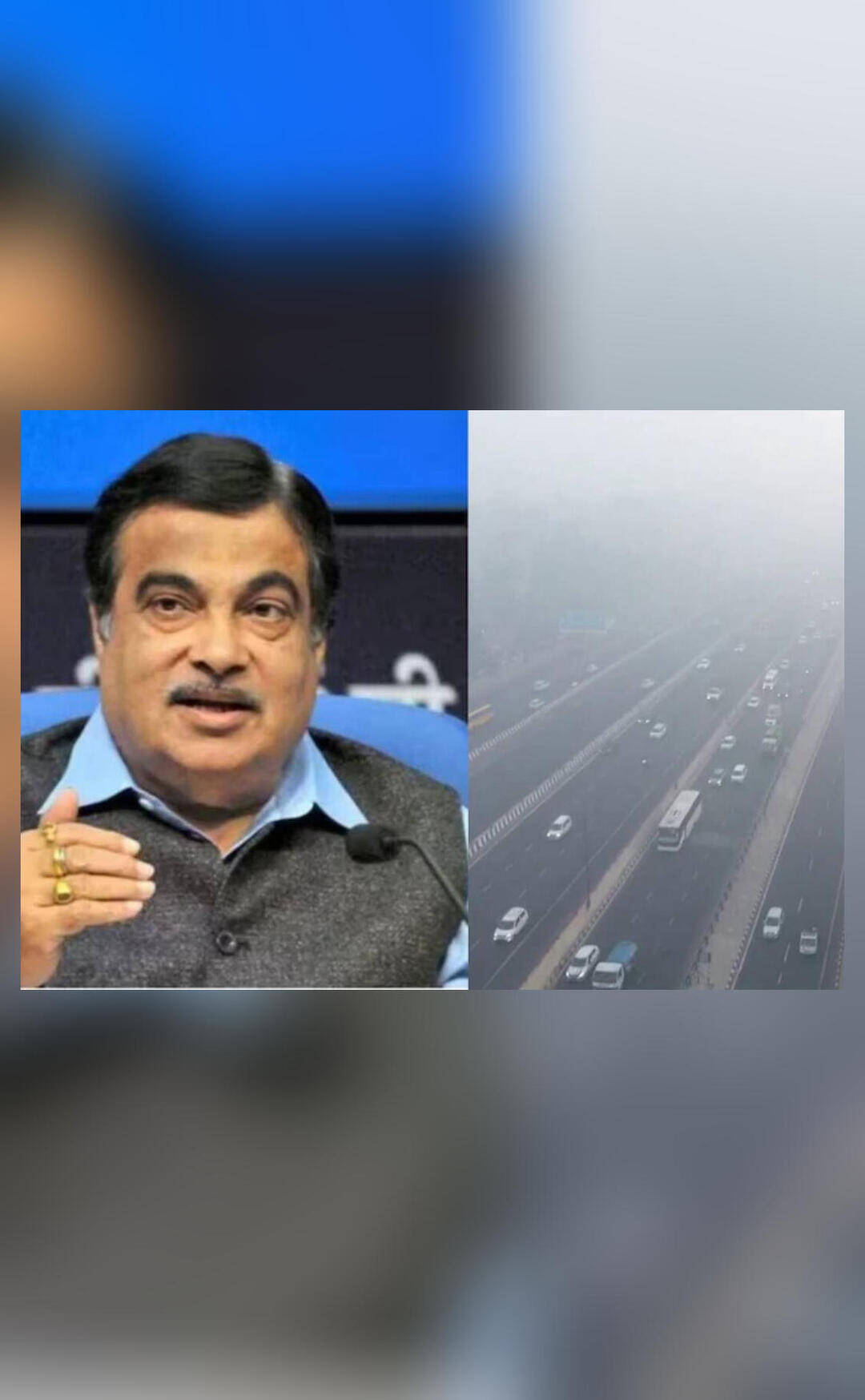
40% Pollution Linked to Our Sector: Transport Minister Gadkari
The issue of pollution in Delhi has been a pressing concern for years, with the national capital consistently ranking among the most polluted cities in the world. The hazardous air quality has severe implications for the health and well-being of its residents, and it seems that even high-ranking government officials are not immune to its effects. Recently, Union Transport Minister Nitin Gadkari spoke out about the alarming levels of pollution in Delhi, revealing that he develops a throat infection if he stays in the city for just two days.
As the Road Transport Minister, Gadkari acknowledged that his sector is significantly contributing to the pollution problem. “I’m the Road Transport Minister, and around 40 per cent of pollution is linked to our sector,” he stated. This admission is a stark reminder of the critical role that the transportation sector plays in exacerbating the pollution crisis. With a large proportion of pollution attributed to this sector, it is clear that drastic measures are needed to mitigate its impact.
Gadkari’s comments also highlighted the urgent need to reduce our reliance on fossil fuels, which are a major contributor to pollution. “Fossil fuels are limited, and pollution is increasing. Can’t we reduce fossil fuel usage?” he asked. This question gets to the heart of the issue, as the continued use of fossil fuels is not only harming the environment but also depleting a finite resource. The Minister’s words serve as a call to action, emphasizing the need for alternative, sustainable solutions to power our transportation systems.
The fact that a prominent government minister like Gadkari is speaking out about the pollution crisis and acknowledging the role of his sector is a significant step forward. It demonstrates a willingness to confront the problem head-on and explore solutions to reduce the transportation sector’s environmental footprint. As the Minister responsible for overseeing the country’s transportation infrastructure, Gadkari is well-positioned to drive change and promote more sustainable practices.
So, what can be done to address the pollution crisis and reduce the transportation sector’s contribution to it? One potential solution is to invest in electric vehicles (EVs) and promote their adoption. EVs offer a cleaner, more sustainable alternative to traditional fossil fuel-powered vehicles, producing zero tailpipe emissions and significantly reducing greenhouse gas emissions. Governments and private companies can incentivize the adoption of EVs by offering subsidies, investing in charging infrastructure, and implementing policies that encourage their use.
Another approach is to improve public transportation systems, making them more efficient, reliable, and attractive to users. This can involve investing in modern, clean-fuel buses, expanding metro systems, and promoting non-motorized transportation options like cycling and walking. By providing viable alternatives to personal vehicles, governments can reduce the number of cars on the road, decrease congestion, and lower emissions.
Additionally, the transportation sector can benefit from the adoption of green technologies, such as hybrid vehicles, biofuels, and hydrogen fuel cells. These innovations can help reduce the sector’s reliance on fossil fuels, decrease emissions, and promote more sustainable practices. Governments and companies can support research and development in these areas, providing funding and incentives to encourage the adoption of green technologies.
In conclusion, the pollution crisis in Delhi and other cities around the world is a pressing concern that requires immediate attention and action. The transportation sector, which is responsible for a significant proportion of pollution, must be at the forefront of efforts to reduce emissions and promote sustainable practices. As Transport Minister Gadkari noted, “Fossil fuels are limited, and pollution is increasing. Can’t we reduce fossil fuel usage?” The answer to this question is a resounding yes, and it will require a concerted effort from governments, companies, and individuals to invest in alternative energy sources, promote sustainable transportation options, and adopt green technologies.
As we move forward, it is essential to prioritize the health and well-being of our citizens, particularly in cities like Delhi, where the air quality is hazardous. By working together to address the pollution crisis and reduce the transportation sector’s contribution to it, we can create a cleaner, healthier, and more sustainable environment for future generations.
About the Author