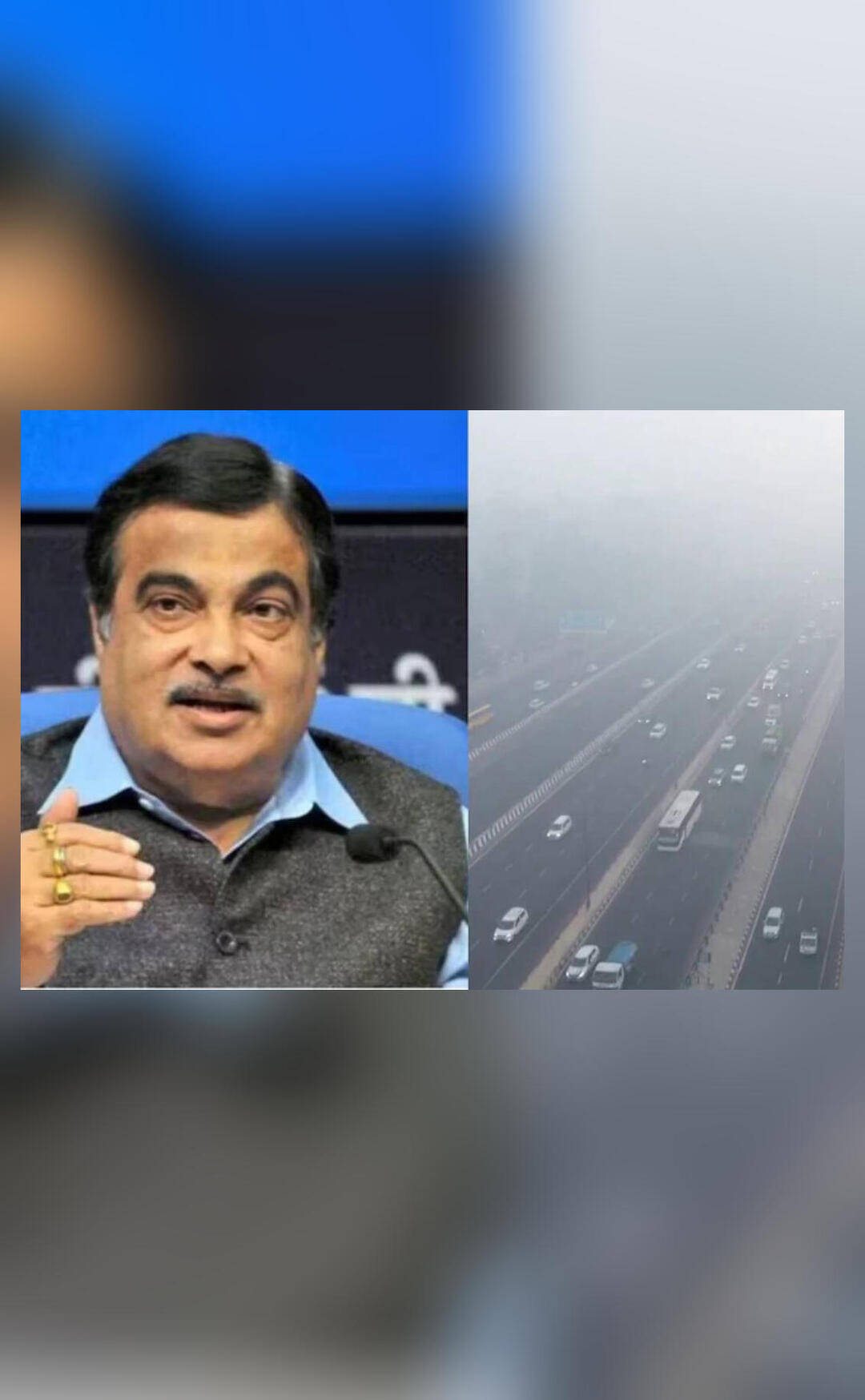
40% Pollution Linked to Our Sector: Transport Minister Gadkari
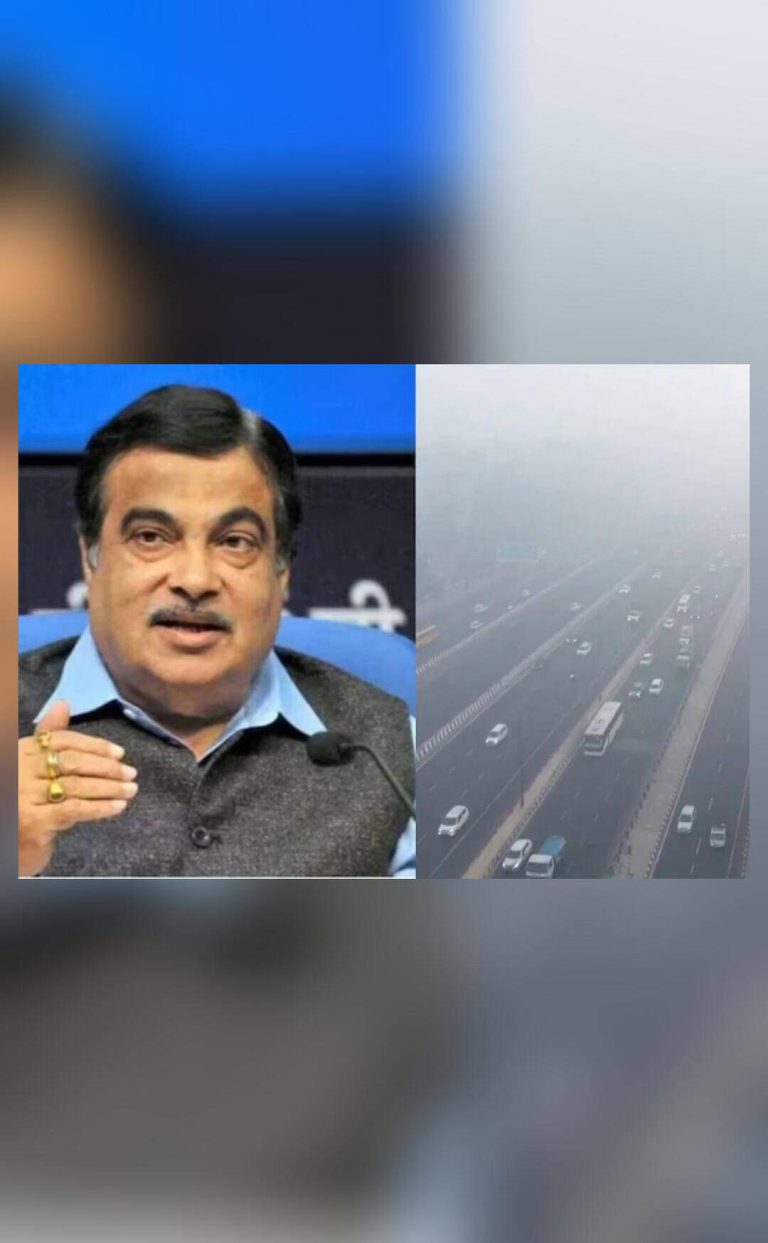
The alarming rate of pollution in India, particularly in the national capital Delhi, has been a pressing concern for the government and citizens alike. The issue has sparked intense debate and discussion, with various stakeholders weighing in on the causes and potential solutions. Recently, Union Transport Minister Nitin Gadkari added his voice to the conversation, highlighting the significant contribution of the transport sector to the pollution problem.
While speaking about Delhi’s pollution, Minister Gadkari revealed that he develops a throat infection if he stays in Delhi for just two days. This personal anecdote underscores the severity of the pollution issue and its impact on human health. As the Road Transport Minister, Gadkari acknowledged that his sector plays a substantial role in the problem, stating that around 40% of pollution is linked to the transport sector.
The Minister’s admission is significant, as it recognizes the transport sector’s contribution to the pollution crisis. The transport sector, which includes vehicles, buses, trucks, and other modes of transportation, is a major source of air pollution in India. The burning of fossil fuels, such as petrol and diesel, releases harmful pollutants like particulate matter, nitrogen oxides, and carbon monoxide into the atmosphere, contributing to poor air quality.
Gadkari’s statement also highlights the limitations of fossil fuels and the need to reduce their usage. “Fossil fuels are limited, and pollution is increasing. Can’t we reduce fossil fuel usage?” he asked. This question resonates with the global concern about the depletion of fossil fuels and the urgent need to transition to cleaner, more sustainable energy sources.
The transport sector’s reliance on fossil fuels is a significant contributor to pollution, and reducing their usage is crucial to mitigating the problem. One way to achieve this is by promoting the adoption of electric vehicles (EVs) and other alternative modes of transportation. EVs, for instance, produce zero tailpipe emissions, reducing air pollution and greenhouse gas emissions.
The Indian government has already taken steps to encourage the adoption of EVs, including offering incentives and investing in EV infrastructure. However, more needs to be done to accelerate the transition to cleaner transportation. This includes increasing the production and availability of EVs, expanding charging infrastructure, and implementing policies to support the adoption of EVs.
In addition to promoting EVs, the transport sector can also reduce pollution by improving the fuel efficiency of vehicles, implementing emission norms, and promoting sustainable transportation modes like walking, cycling, and public transport. The government can also play a crucial role by investing in clean energy, reducing energy consumption, and promoting sustainable land use practices.
The impact of pollution on human health is a critical concern, and the transport sector’s contribution to the problem is significant. Air pollution is responsible for an estimated 1.2 million deaths in India each year, according to a report by the Lancet Commission on Pollution and Health. The report highlights the need for urgent action to reduce pollution and mitigate its impact on human health.
In conclusion, the transport sector’s contribution to pollution is a significant concern, and Minister Gadkari’s admission highlights the need for urgent action. Reducing fossil fuel usage, promoting EVs, and implementing sustainable transportation modes are crucial steps towards mitigating the pollution crisis. The government, industry stakeholders, and citizens must work together to address this issue and create a cleaner, healthier, and more sustainable environment for future generations.
As the transport sector continues to play a vital role in India’s economic growth and development, it is essential to prioritize sustainability and reduce its environmental impact. By acknowledging the transport sector’s contribution to pollution and taking concrete steps to address the issue, we can create a better future for ourselves and for generations to come.
About the Author