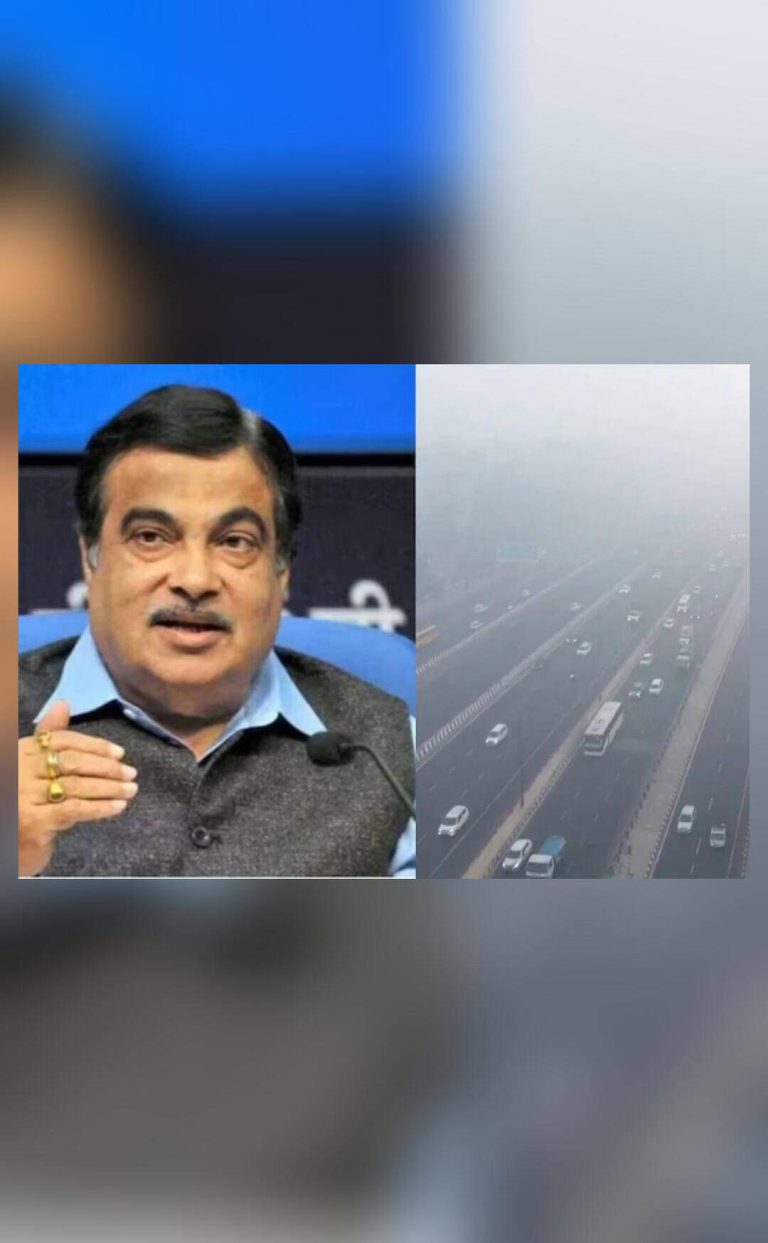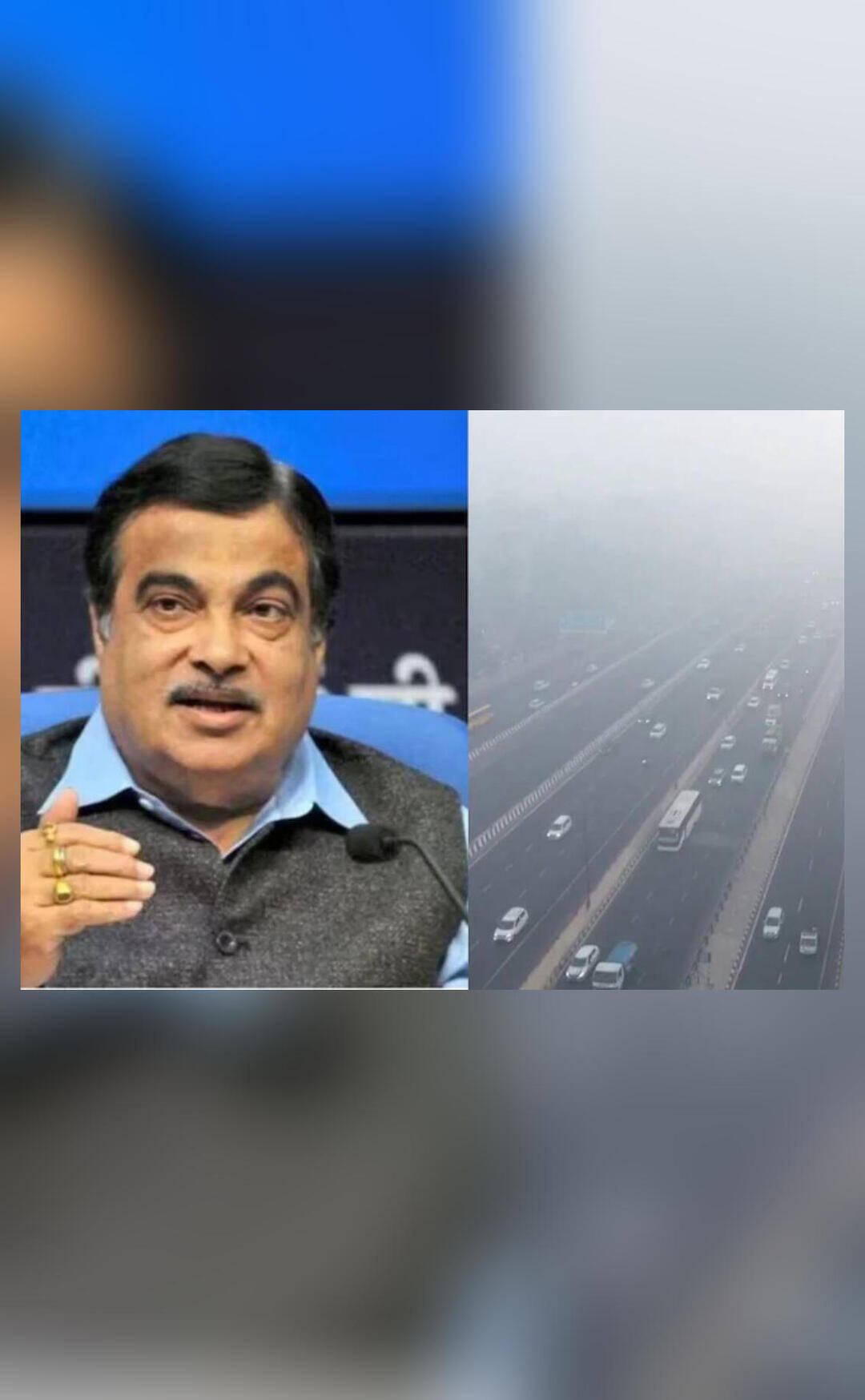
40% Pollution Linked to Our Sector: Transport Minister Gadkari
The issue of pollution has become a pressing concern in recent years, with many cities around the world struggling to maintain clean air and water. In India, the problem is particularly acute, with cities like Delhi and Mumbai consistently ranking among the most polluted in the world. Recently, Union Transport Minister Nitin Gadkari spoke out about the issue, acknowledging the significant role that the transport sector plays in contributing to pollution.
While speaking about Delhi’s pollution, Gadkari revealed that he develops a throat infection if he stays in the city for just two days. This personal anecdote highlights the severity of the problem and the need for urgent action to address it. As the Road Transport Minister, Gadkari is well aware of the impact that his sector has on the environment. “I’m the Road Transport Minister, and around 40 per cent of pollution is linked to our sector,” he said. This startling admission underscores the magnitude of the problem and the need for the transport sector to take responsibility for its actions.
Gadkari’s comments come at a time when the Indian government is under increasing pressure to take action to reduce pollution. The country’s rapid economic growth has led to a significant increase in the number of vehicles on the road, which in turn has contributed to rising levels of air pollution. The transport sector is a major contributor to this problem, with the burning of fossil fuels releasing large amounts of pollutants into the air.
The Minister’s suggestion that the transport sector should reduce its reliance on fossil fuels is a sensible one. Fossil fuels are a finite resource, and their use is not only contributing to pollution but also exacerbating climate change. As Gadkari pointed out, “Fossil fuels are limited, and pollution is increasing. Can’t we reduce fossil fuel usage?” This is a question that policymakers and industry leaders should be asking themselves, and one that requires a concerted effort to address.
One possible solution to the problem is the adoption of alternative fuels, such as electric or hybrid vehicles. These vehicles produce significantly fewer emissions than traditional petrol or diesel-powered cars, and could play a major role in reducing pollution in the transport sector. Governments and industry leaders could incentivize the adoption of these vehicles through subsidies, tax breaks, or other measures.
Another approach could be to improve public transportation systems, making them more efficient and attractive to users. This could involve investing in new bus or train fleets, or implementing congestion pricing schemes to reduce the number of private vehicles on the road. By providing people with alternatives to driving, governments can reduce the number of vehicles on the road and lower emissions.
In addition to these measures, there are also steps that individuals can take to reduce their own contribution to pollution. For example, people can use public transport, walk or cycle instead of driving, or carpool with friends or colleagues. These small actions can add up to make a big difference, and can help to raise awareness about the importance of addressing pollution.
The issue of pollution is a complex one, and there is no single solution to the problem. However, by acknowledging the role that the transport sector plays in contributing to pollution, and by taking steps to reduce our reliance on fossil fuels, we can begin to make a positive impact. As Gadkari’s comments highlight, this is an issue that requires urgent attention, and one that we cannot afford to ignore.
In conclusion, the remarks made by Union Transport Minister Nitin Gadkari about the link between the transport sector and pollution are a timely reminder of the need for action to address this issue. By adopting alternative fuels, improving public transportation systems, and taking individual action to reduce our own contribution to pollution, we can work towards a cleaner, healthier environment for everyone. It is only by working together that we can hope to tackle this complex problem and create a better future for ourselves and for generations to come.
About the Author