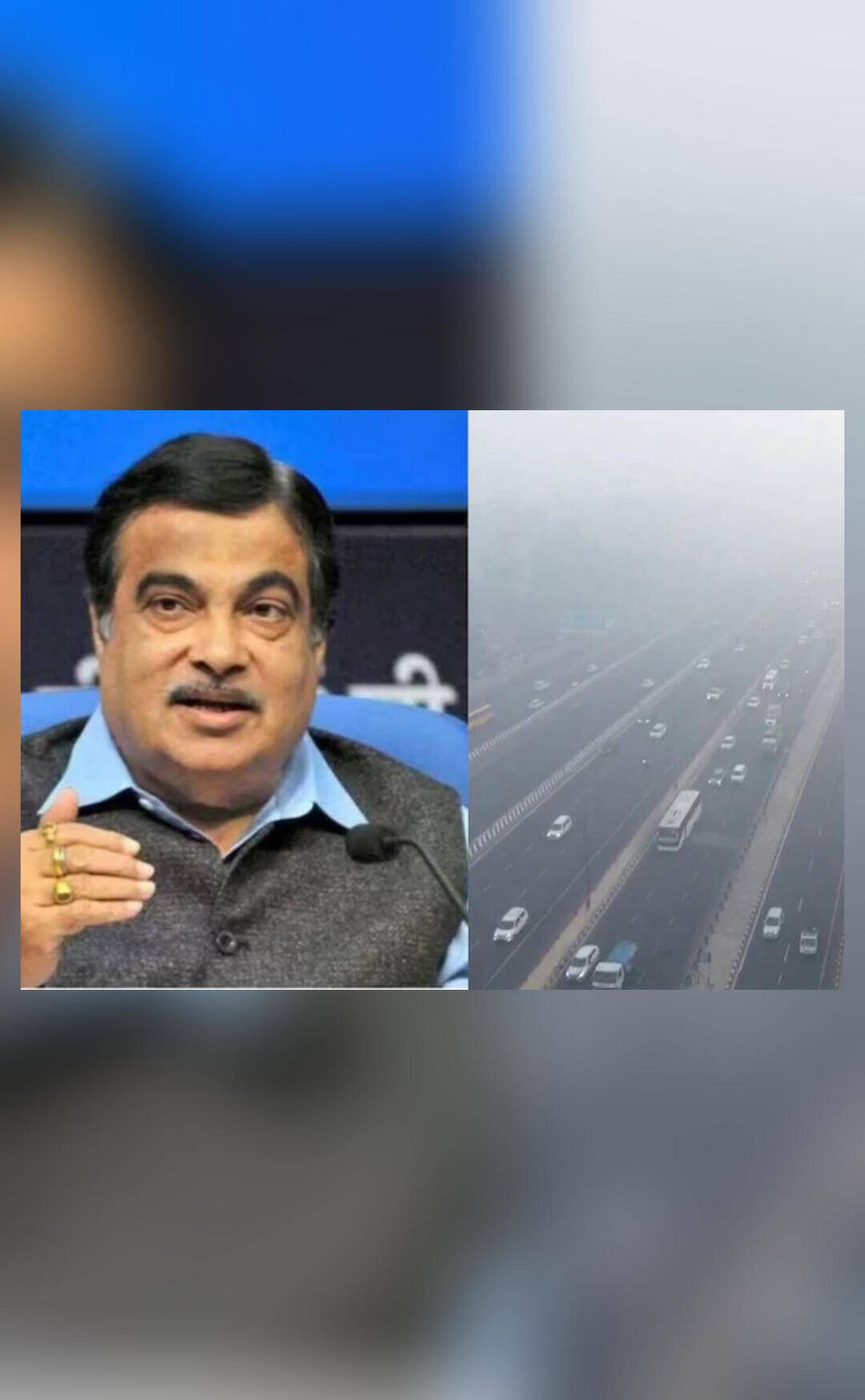
40% pollution linked to our sector: Transport Minister Gadkari
The issue of pollution, particularly in the national capital Delhi, has been a pressing concern for the Indian government. The city’s poor air quality has been a topic of discussion among politicians, environmentalists, and citizens alike. Recently, Union Transport Minister Nitin Gadkari spoke about the alarming levels of pollution in Delhi, revealing that even a short stay in the city affects his health. “I’m the Road Transport Minister, and around 40 per cent of pollution is linked to our sector,” he said, highlighting the significant contribution of the transport sector to the city’s pollution problem.
Gadkari’s statement is a stark reminder of the impact of human activities on the environment. As the minister responsible for the country’s road transport, he is well aware of the role that his sector plays in exacerbating pollution. The fact that he develops a throat infection after just two days in Delhi is a testament to the severity of the problem. It is not just the minister who is affected; millions of Delhi residents are exposed to hazardous air quality every day, which can have serious consequences for their health.
The transport sector is a significant contributor to pollution, with vehicles emitting large amounts of particulate matter, carbon monoxide, and other pollutants. The increasing number of vehicles on the road, combined with the lack of effective emission control measures, has resulted in a substantial rise in pollution levels. Gadkari’s admission that 40% of pollution is linked to the transport sector is a clear indication that the government needs to take urgent action to address this issue.
One of the primary causes of pollution is the reliance on fossil fuels. The burning of fossil fuels, such as petrol and diesel, releases harmful pollutants into the atmosphere, contributing to climate change and air pollution. Gadkari’s comment, “Fossil fuels are limited, and pollution is increasing. Can’t we reduce fossil fuel usage?” highlights the need for a shift towards cleaner, more sustainable energy sources. The government has been promoting the use of electric vehicles, and Gadkari’s statement suggests that this effort needs to be intensified.
The Indian government has been taking steps to reduce pollution, including the introduction of the Bharat Stage VI (BS-VI) emission norms, which aim to reduce particulate matter emissions from vehicles. However, more needs to be done to address the scale of the problem. The government needs to invest in alternative energy sources, improve public transportation, and promote the use of non-motorized transport, such as cycling and walking.
The issue of pollution is not just limited to Delhi; it is a national problem that requires a comprehensive solution. The government needs to work with state governments, city authorities, and other stakeholders to develop a coordinated approach to reducing pollution. This includes implementing effective emission control measures, promoting sustainable transportation, and increasing public awareness about the importance of reducing pollution.
In conclusion, Union Transport Minister Nitin Gadkari’s statement highlights the significant contribution of the transport sector to pollution. The fact that 40% of pollution is linked to this sector is a wake-up call for the government to take urgent action. The reliance on fossil fuels is a major cause of pollution, and the government needs to promote the use of cleaner energy sources. The issue of pollution requires a comprehensive solution that involves all stakeholders, and the government needs to work towards reducing fossil fuel usage and promoting sustainable transportation.
The comments made by Gadkari are a clear indication that the government is aware of the problem and is willing to take steps to address it. However, the scale of the problem requires a concerted effort from all stakeholders. The government, citizens, and other organizations need to work together to reduce pollution and promote sustainable development.
As the country moves forward, it is essential to prioritize the environment and take steps to reduce pollution. The government needs to invest in clean energy, improve public transportation, and promote sustainable practices. The citizens also have a role to play in reducing pollution by making conscious choices, such as using public transport, carpooling, or driving electric vehicles.
The issue of pollution is a complex one, and it requires a multifaceted solution. The government, citizens, and other stakeholders need to work together to address this problem. By promoting sustainable transportation, reducing fossil fuel usage, and increasing public awareness, we can reduce pollution and create a healthier environment for future generations.
About the Author