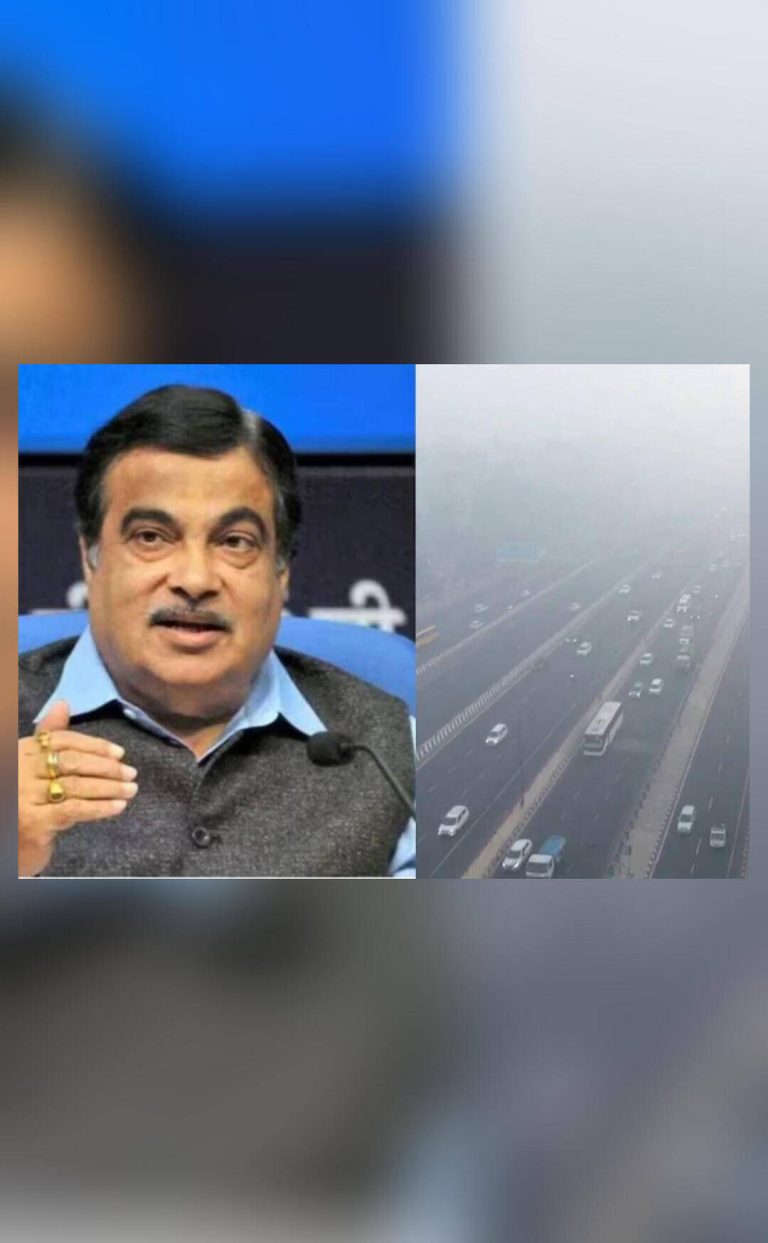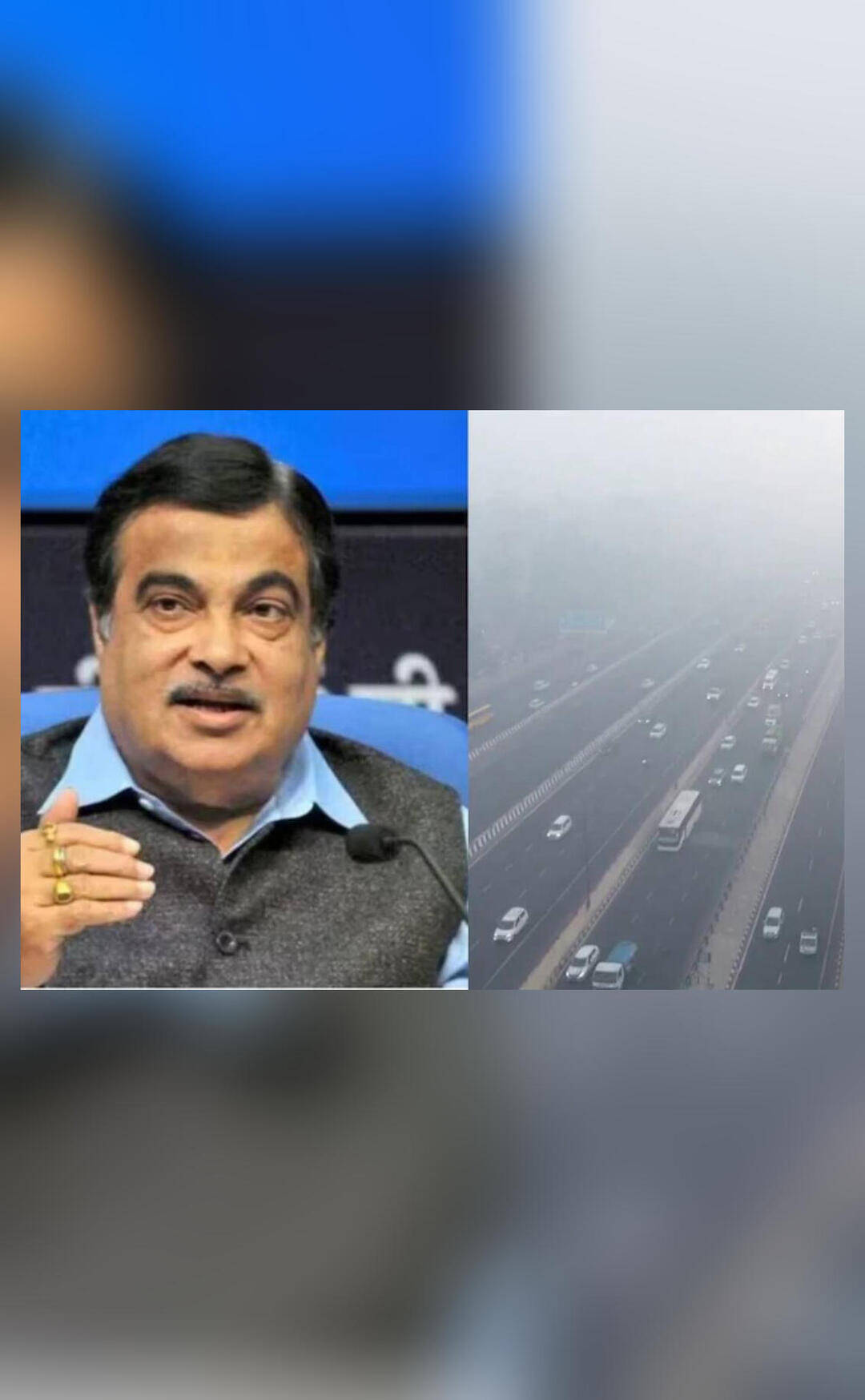
40% Pollution Linked to Our Sector: Transport Minister Gadkari
The issue of pollution in Delhi has been a persistent concern for the past few years, with the city’s air quality often reaching hazardous levels during the winter months. The problem is so severe that even Union Transport Minister Nitin Gadkari has fallen victim to it, revealing that he develops a throat infection if he stays in Delhi for just two days. Speaking about the crisis, Gadkari acknowledged the significant role that his own sector plays in contributing to the pollution problem.
As the Road Transport Minister, Gadkari admitted that around 40% of pollution is linked to the transport sector. This is a staggering figure, highlighting the need for urgent action to reduce the environmental impact of the industry. Gadkari’s comments came as he spoke about the need to reduce the country’s reliance on fossil fuels, which are not only limited but also a major contributor to pollution.
“Fossil fuels are limited, and pollution is increasing. Can’t we reduce fossil fuel usage?” Gadkari asked, emphasizing the need for alternative solutions. This is not just a matter of environmental concern, but also a question of public health. The pollution in Delhi is causing a range of health problems, from respiratory issues to cardiovascular disease, and it is essential that the government takes concrete steps to address the issue.
Gadkari’s admission that the transport sector is a major contributor to pollution is a significant one, as it highlights the need for reform within the industry. The transport sector is a vital part of the Indian economy, with millions of people relying on it for their livelihood. However, this does not mean that the sector cannot be reformed to reduce its environmental impact.
One possible solution is the increased use of electric vehicles, which produce zero emissions and can significantly reduce pollution. The Indian government has already set a target of having 30% of all new vehicles sold in the country be electric by 2030, and Gadkari’s comments suggest that this target may need to be accelerated.
Another solution is the improvement of public transport in cities like Delhi, which can reduce the number of private vehicles on the road and decrease pollution. This can be achieved through the development of more efficient and reliable public transport systems, such as metro lines and bus networks.
In addition to these measures, the government can also take steps to reduce pollution from existing vehicles. This can include the implementation of stricter emission norms, the promotion of carpooling and ride-sharing, and the development of alternative fuels such as biofuels and hydrogen fuel cells.
Gadkari’s comments on the need to reduce fossil fuel usage are also significant, as they highlight the need for a more sustainable approach to energy production. India is already making significant strides in the field of renewable energy, with the country aiming to generate 40% of its electricity from non-fossil fuels by 2030.
However, more needs to be done to reduce the country’s reliance on fossil fuels, particularly in the transport sector. This can include the development of alternative fuels, such as ethanol and biodiesel, as well as the promotion of electric vehicles and other forms of sustainable transport.
In conclusion, the issue of pollution in Delhi is a complex one, and it requires a multifaceted approach to solve. Gadkari’s admission that the transport sector is a major contributor to pollution is a significant one, and it highlights the need for urgent action to reduce the environmental impact of the industry.
The government must take concrete steps to reduce pollution from the transport sector, including the promotion of electric vehicles, the improvement of public transport, and the development of alternative fuels. Only through a sustained effort can we hope to reduce the pollution in Delhi and create a healthier, more sustainable environment for all.
About the Author